 One platform connecting startups, corporations, research institutions, regions and investors
 Southeast Asia Innovation Landscape 2026
 ESG Data-as-a-Service (DaaS) A game-changer for resource-constrained SMEs

Healthtech Meets The Expectation of Vietnamese Medical Market
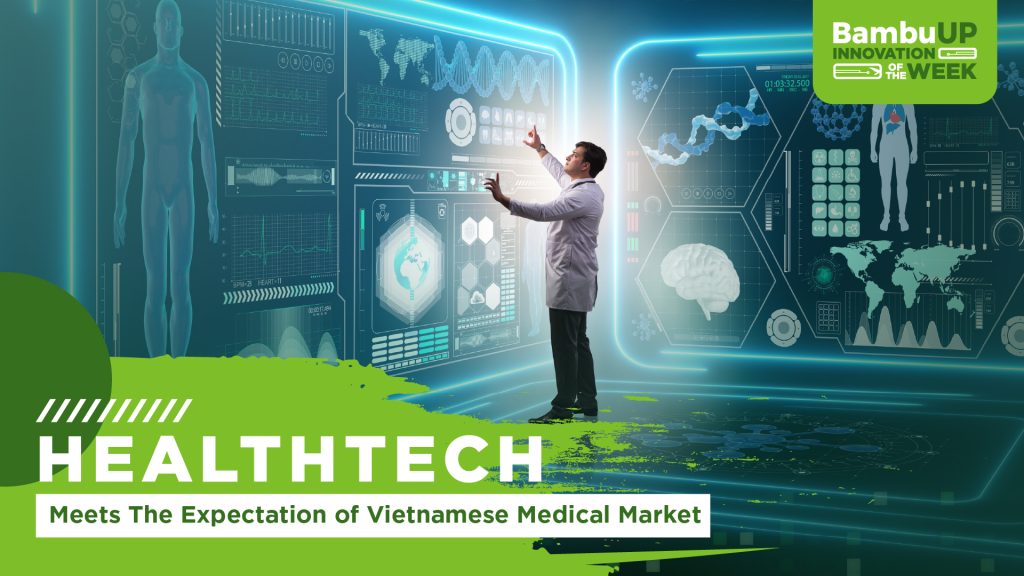
While the medical technology market is valued at VND 43.6 billion USD in 2019 with a growth rate of 16.2% from 2020-2027, the number of startups in this field in Vietnam accounts for less than 2% of Asia (BMI). The healthcare industry in Vietnam is facing an optimistic outlook thanks to technological trends instead of the traditional ways.
1. Personal Health Record

Personal medical records, allowing users to manage and store all information related to their health since birth, including immunization information, blood type, medical history, medical examination, and treatment results, etc. are stored centrally and systematically in an online account that is owned and managed by the patient throughout his or her life. As a result, patients can easily carry personal medical history data as a reference for new treatment sites whenever needed.
2. Telemedicine

Emerging as a leading trend in the healthcare industry in recent years in the world and in Vietnam, telemedicine continues to be expected to be a spearhead in the field of healthcare in the world in the future.
In recent times, the birth of new technological trends such as the widespread use of smartphones, internet and 3G/4G/5G, VoIP (online conversation) and video conferencing platforms help enjoy more convenient and efficient telehealth services at home instead of relying on expensive specialized equipment before these technologies were introduced.
3. Digitizing healthcare information system
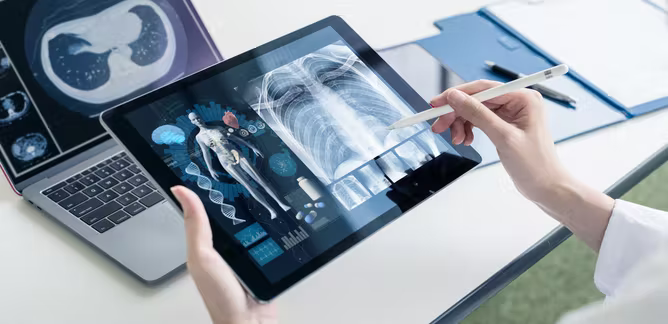
In Vietnam, data aggregation is one of the main obstacles. Therefore, the trend of digitizing health information systems to replace traditional physical documents is being developed to solve this problem.
The application of digitization is also geared towards improving the patient experience. Innovations span the entire journey of healthcare use. From the side of medical facilities, digitalization facilitates management, reduces office work, allows doctors to focus on expertise, and creates potential for development for “Paperless Hospitals”.
4. Application of artificial intelligence and automation (AI, Robotic)
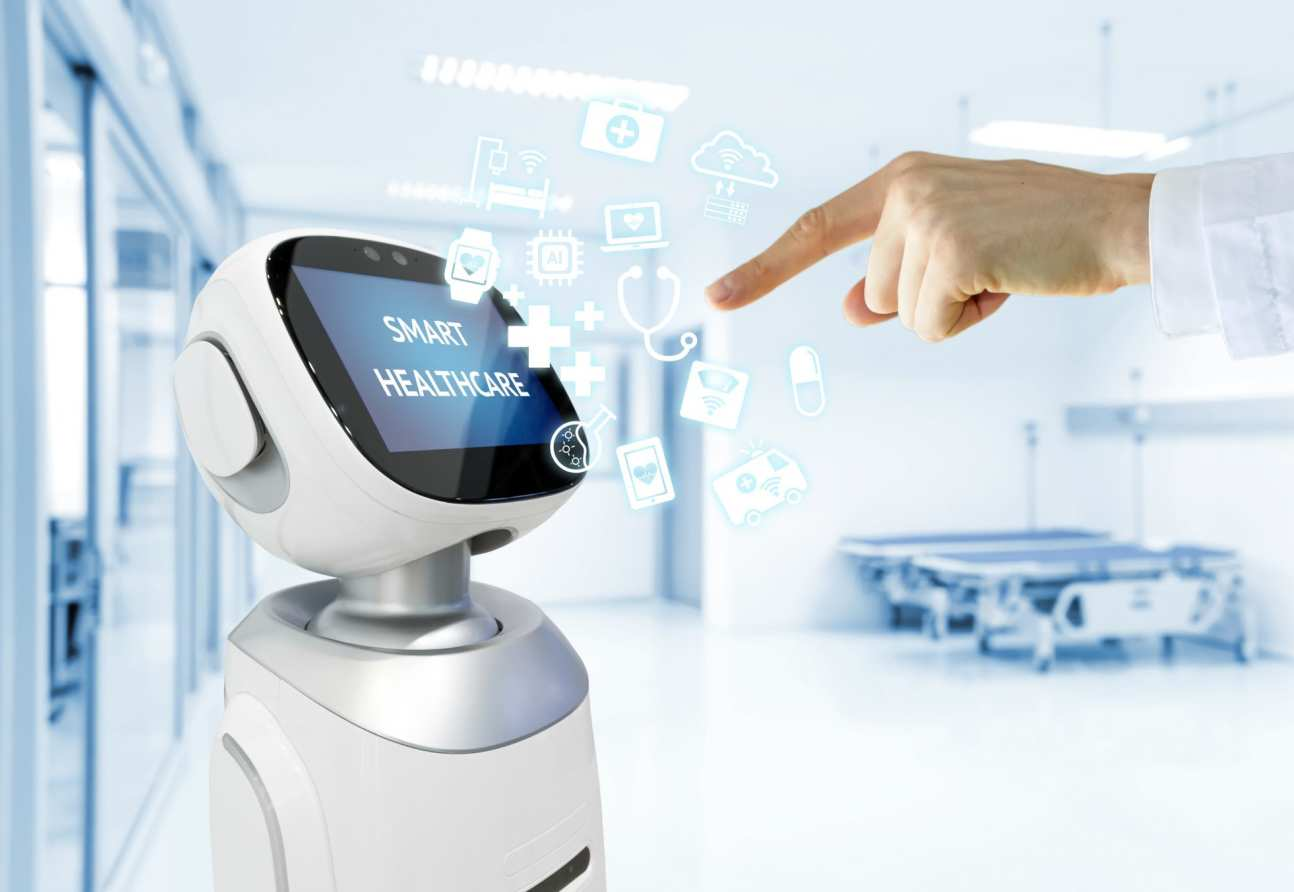
Artificial intelligence is the optimal technology solution in building electronic health records, assisting doctors in diagnosis, clinical decision making, medical examination and treatment management, simulation training, and clinical research because it has the ability to synthesize, access and process a huge source of medical information in a short time. Moreover, AI also provides a personalized healthcare model based on the analysis of each individual’s physical, psychological, and social conditions.
Research on medical robots has also begun to gain more attention in Vietnam. Robots operate with high precision, solve the problem of shortage of human resources, are assigned boring repetitive jobs, and especially limit body contact, which helps avoid the spread of infectious diseases like Covid-19.
5. Remote monitoring
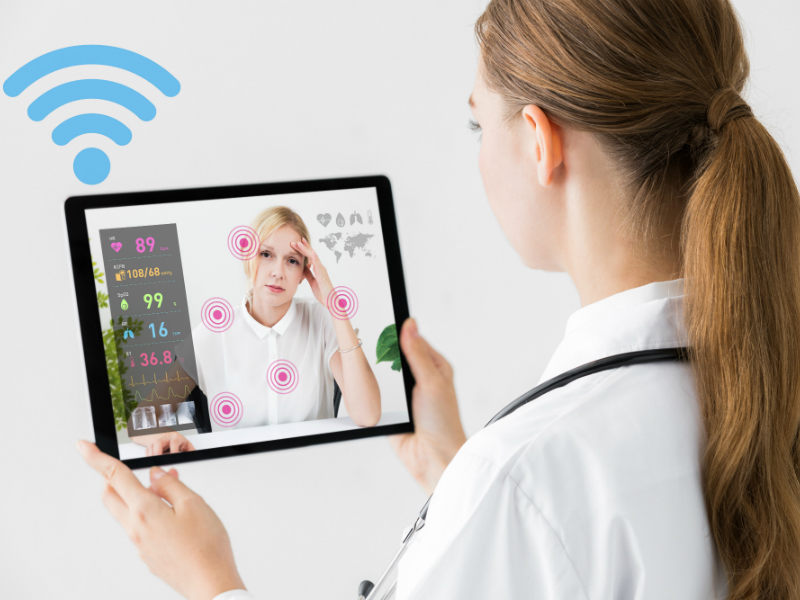
Remote patient monitoring is a method of healthcare delivery that uses technology to monitor patients remotely. This technology does not require direct interaction with doctors via video call like telemedicine. Instead, it requires devices to collect information, and analyze data to transmit to doctors. This is especially useful for patients with chronic diseases that need to be monitored, saving time for medical staff, timely warning risks, and reducing intervention and emergency examination for patients.