 One platform connecting startups, corporations, research institutions, regions and investors
 Southeast Asia Innovation Landscape 2026
 ESG Data-as-a-Service (DaaS) A game-changer for resource-constrained SMEs

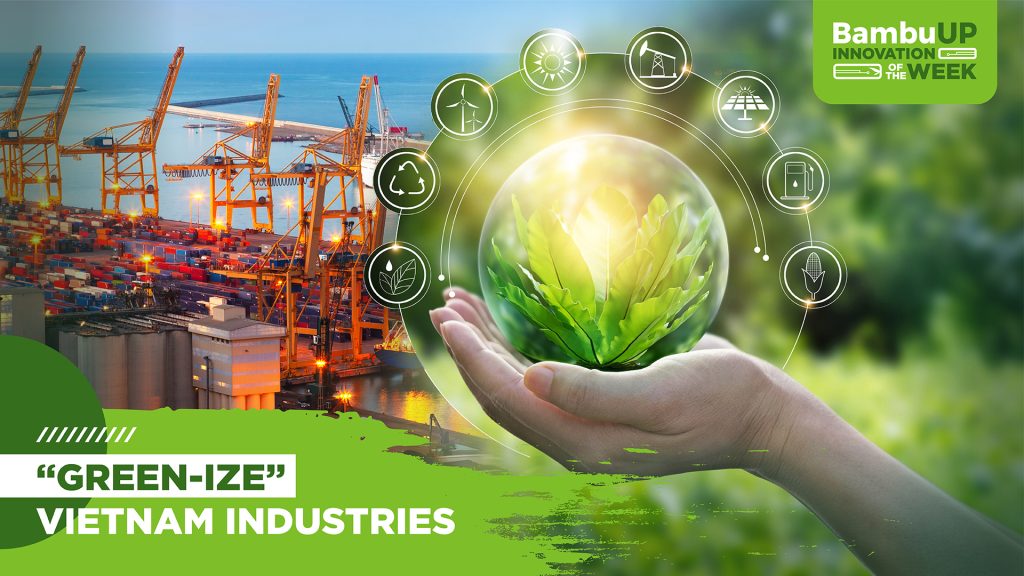
“Green-ize” Vietnam Industries
The importance of sustainable development is demonstrated by Vietnam’s commitment at COP26 (the 26th Conference of the Parties to the United Nations Framework Convention on Climate Change) with the goal of “transforming the growth model towards greening economic sectors, applying a circular economy model based on the science and technology foundation, promoting competitive advantages, and minimizing negative impacts on the environment”.
Therefore, sustainable development plays an important role in both economic development and ensuring resources and manpower for the future, and it focuses on these trends below:
1. Technology application in the recycling and waste treatment process
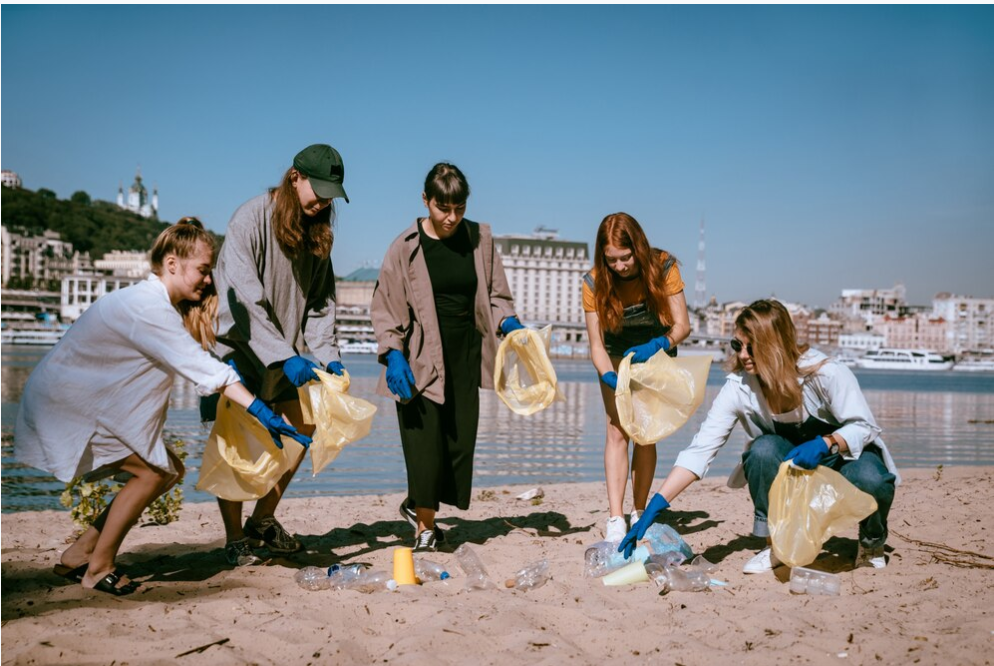
Sorting waste for treatment is a way to minimize harm to the environment. Technology applications were created to encourage people’s habit of sorting waste from source, and support the collection and treatment of recyclable waste through software installed on smartphones downloaded from the App Store or Google Play. In addition, these startups also coordinate with environmental companies or other organizations to organize activities to raise community awareness about the need to separate waste at source, and to guide people to distinguish between recyclable and non-recyclable wastes
2. Innovative business model to raise awareness of environmental protection

Prominent in the list of Startups in the field is a business model that is profitable and raises the community’s awareness and responsibility for the environment and sustainable development by combining seminars, outdoor activities, workshops or models of exchanging and recycling old items to buy new ones.
Nowadays, many Vietnamese corporates start practical implementation of sustainable business models with the Government’s support, which serves the purposes of prolonging the life cycle of products, minimizing the exploitation of raw materials which have negative impacts on the environment; applying environmentally friendly products and services to cope with climate change.
3. Technological inventions create new sources of environmental protection
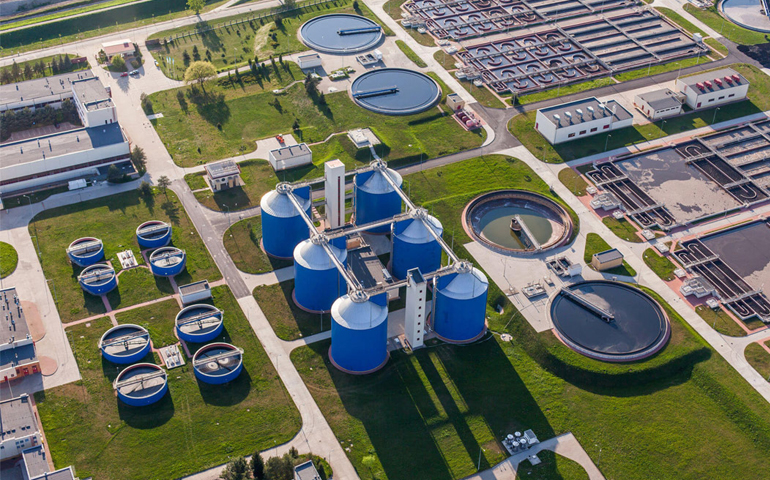
In Vietnam, there are few startups providing sustainable development solutions. Among those few, notable are startups with inventions on environmental protection materials, bringing new solutions or alternative solutions to increase economic and environmentally friendly benefits such as: Microbiological products for on-site water treatment aim to combine sensor networks operating on mobile phones or new materials to refine animal fats.
Some technological inventions are popularly applied including harnessing energy from waves and tides, using plants and bacteria to clean up contamination, burying the waste gas in the ground
4. Clean energy used in vehicles and transportation
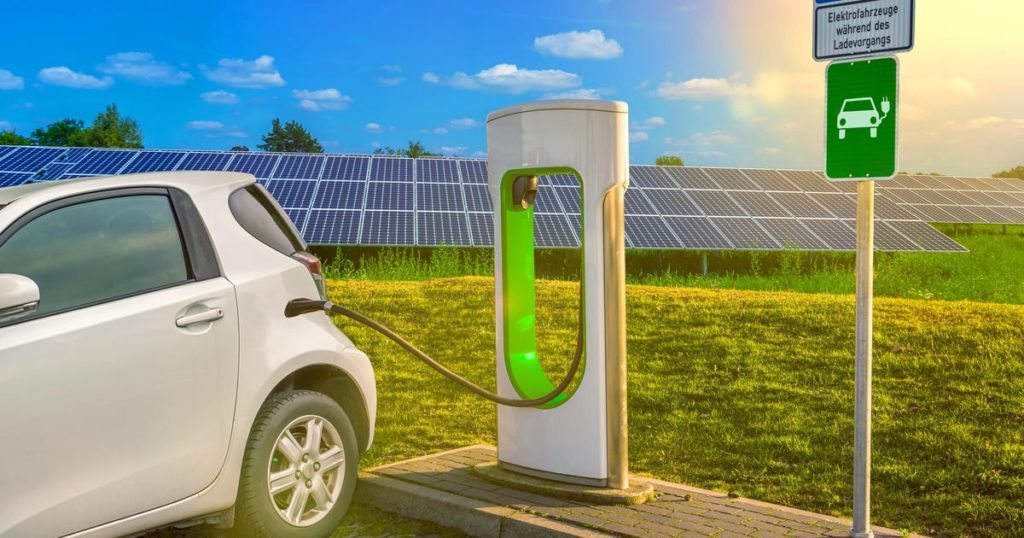
The transportation industry is finding effective ways to reduce emissions. The most typical first measure to take is probably load and drive optimization combined with the introduction of alternative fuels such as diesel or electric vehicles. Electric vehicles are also a prominent trend based on rapidly increasing sales in major markets around the world. InsideEVs.com in the US said that in 2019 electric vehicle sales increased 21% compared to 2018 with the number of vehicles sold reaching over 200,000 units. Sales of electric cars in China increased by 42% in the first 3 months of 2020. In 2021, the number of electric cars sold is estimated at 1.9 million units. In addition, many countries around the world have set a goal to have completely stopped the business of vehicles using internal combustion engines by 2050. Market research firm Canalys forecasts that by 2028 electric vehicle sales will have reached the highest level of 30 million units, and accounted for 48% of total passenger cars in 2030.
5. Climate-friendly technologies in agroecosystems
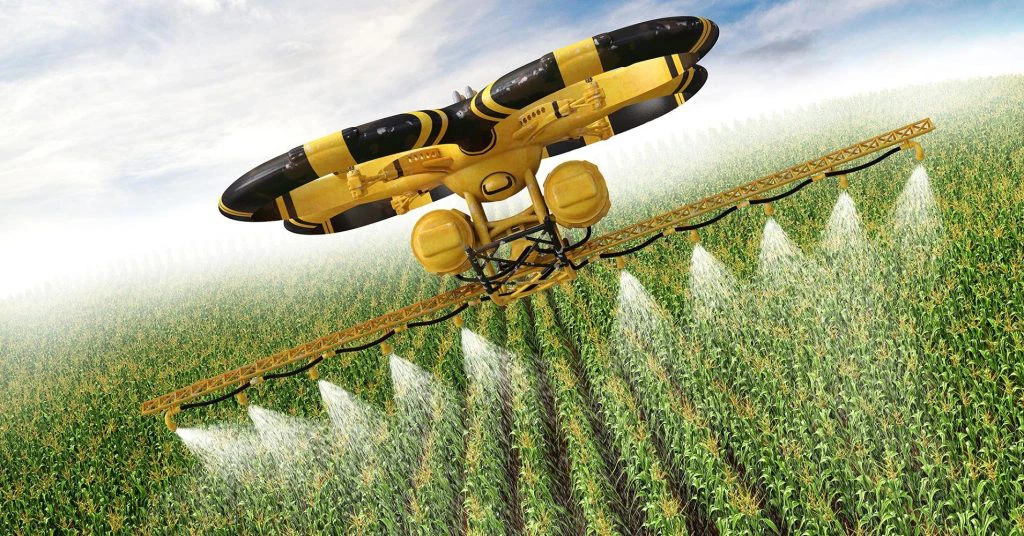
Technologies applied in the field of agriculture in the direction of sustainable and environmentally friendly development in the world can be mentioned as: renewable energy, no-plowing, biotechnology, and organic farming, vertical farming, irrigation, integrated pest management, drones, fleet management, and digital sensors.
According to many Vietnamese experts, in order to convert the current agriculture into a modern ecological agriculture, it needs the Governments’ management and the society’s investment: developing ecological agriculture, production modern, environmentally friendly goods; applying appropriate technology in all stages of the agricultural product value chain in combination with modern management methods; finding suitable production models for each region, attaching GPS navigation system to cattle;…