
 One platform connecting startups, corporations, research institutions, regions and investors
 Southeast Asia Innovation Landscape 2026
 ESG Data-as-a-Service (DaaS) A game-changer for resource-constrained SMEs

7 Technological Solutions Helping Fashion Brands Enhance Customers’ Experience

Being one of the largest industries in the world with an estimated annual revenue being $1.5 trillion, it is amazing to know that the way some segments of fashion work today haven’t changed much in the past 20 years.
However, with growing concerns about wages, environmental pollution, as well as the need to satisfy and enhance experience for consumers in the hyper-connected age, the old fashion industry is gradually giving way to the emergence of modern, new and exciting technologies.
Contribute to a sustainable future for fashion industry with recycled fabrics from Recover
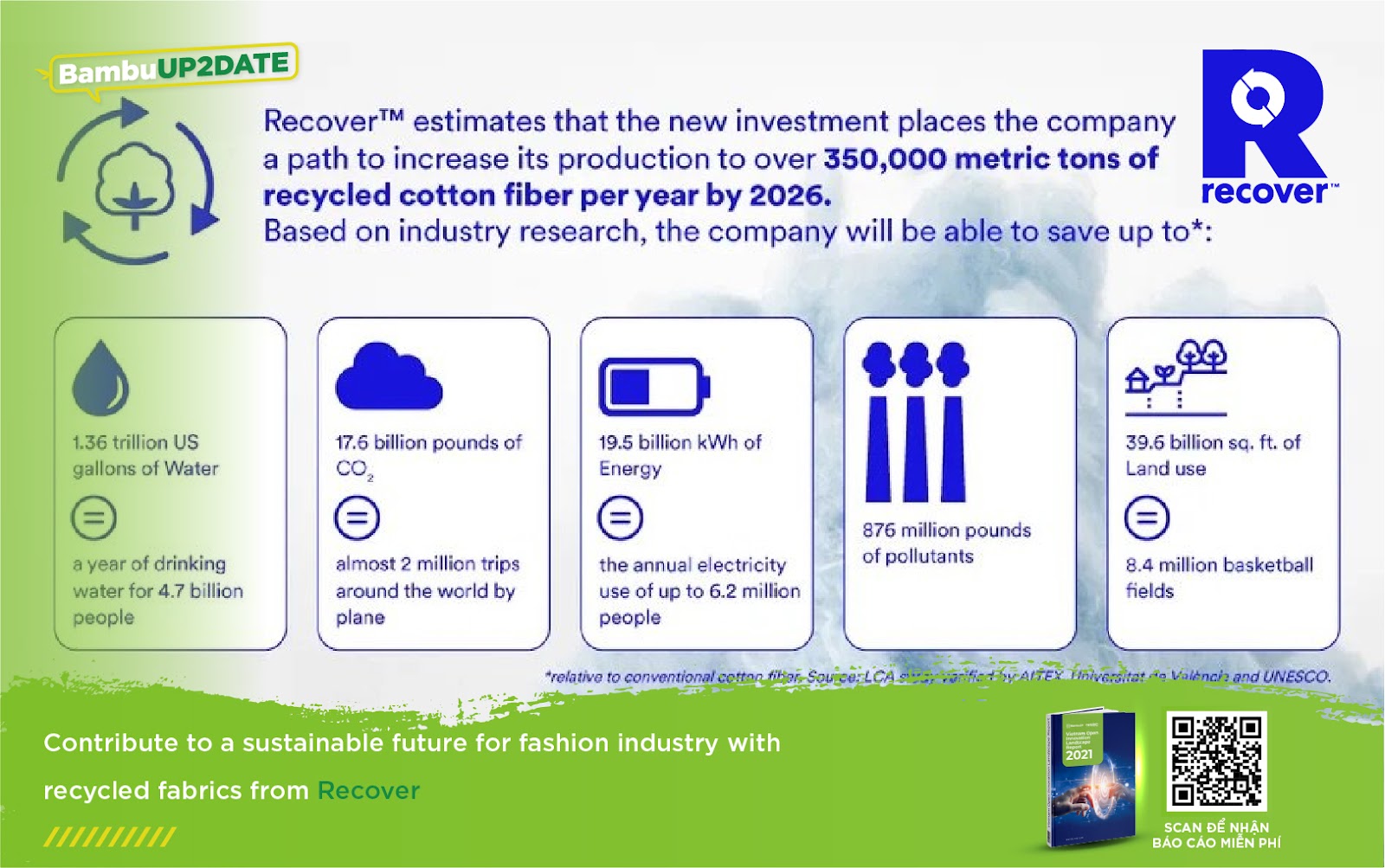
Recover’s process of recycling textiles stems back to 1947, and over the course of four generations, the firm has iterated on its methods to a process today that addresses one of the biggest problems facing the fashion industry: sustainability. “Recover is helping create a sustainable future by solving a colossal environmental issue and we are overjoyed to partner with Goldman Sachs to accelerate our growth,” commented Recover CEO Alfredo Ferre Garcia.
Operating in a $50 billion cotton market, Recover counts global brands including Primark, Inditex, C&A, Revolve, and Lands’ End amongst its customer base, and has recently opened manufacturing hubs in Pakistan and Bangladesh, with additional hubs in Bangladesh and Vietnam on track to begin operations in the near future.
Recover, has received $100 million in a minority stake investment via the Sustainable Investing business unit within Goldman Sachs. The capital will be used to accelerate Recover’s global expansion efforts further and ramp up production capacity. According to Recover, through the new investment, they can increase their output to over 350,000 metric tons of recycled cotton fibre per year by 2026, thus saving up to 5 trillion litres of water annually, a figure equivalent to the drinking water consumed by over 4.7 billion people each year.
Personalize customers’ experience with custom-made on demand menswear brand SPOKE

SPOKE – A fashion startup from London – has been known as a custom-made on demand menswear brand. The company is on a mission to build the world’s most personal menswear brand, developing a unique platform to deliver a customised finish in over 400 size options across its legwear ranges, covering leg length, waist and build. There are also taper options for calves.
London-based custom-made on demand menswear brand Spoke has raised £5 million in a crowd-funding round on the Seedrs platform. The round was supplemented by existing investors, led by Oxford Capital, with participation from Forward Partners, BGF and 24 Haymarket.
Talking about the crowdfunding round, CEO and founder Ben Farren said: “The success of Spoke has always been underpinned by an incredibly engaged community of SPOKEsmen – and for years we’ve been asked about opportunities to invest. We have an unusually personal connection with our customers. So, it feels right that they join us on the journey as we build the world’s most personal menswear brand.”
Lalaland provides an AI-driven model-generating tool helping fashion brands replace time-consuming and costly branding photoshoots

The world of fashion e-commerce is worth $408 billion and is ever-expanding. Both fashion brands and retailers hold several photoshoots each year to publish a new collection, spending around 7.5 per cent of annual revenue.
Founded in 2019, Lalaland utilises artificial intelligence to enable fashion brands and retailers to use hyper-realistic models of every body type, size, and skin tone. With these body-inclusive avatars, the company aims to create a more inclusive, personal, and sustainable shopping experience for fashion brands, retailers and customers.
Apart from creating a highly personalised experience, the company claims its virtual fashion model platform takes just 15 percent of the cost of conventional photoshoots. According to the company, its platform will boost sales, reduce return rates and costs, increase conversion and cut waste for a more inclusive shopping and brand experience.
Founder and CEO Michael Musandu said: “Our product is centred around solving the issues of consumers who feel underrepresented in terms of ethnicity, gender identity, and body representation. So, we want to work with people who can relate to these issues, in order to facilitate positive change in co-creation.”
Dutch startup Lalaland aims to tap into this market with a cost-effective model-generating tool that replaces time-consuming and costly photoshoots. The Amsterdam-based fashion tech platform has now raised €2.1 million in funding to do so. The pre Series-A round was led by Orange Wings and Unknown Group. The cash injection will be used to drive the next stage of its commercial expansion and to hire a diverse group of talent.
Enhance traceability for all luxury brands worldwide with from blockchain-based solution from Aura

Founded by LVMH, Prada Group and Cartier, simultaneously being a part of Richemont, the OTB Group and Mercedes-Benz, Aura Blockchain Consortium enables and supports participating members to tag their products with secure, unique blockchain-based identities that can track a product’s manufacture and supply from raw materials through to end consumers, thus ensure the transparency and traceability for products.
Promoting the use of a single global blockchain solution for all luxury brands worldwide, Aura has joined the Sustainable Markets Initiative Fashion Task Force (SMI) to speed up the transition towards a more sustainable future in the global fashion, textile and apparel sector. Aura’s technology will help members of the SMI’s fashion task force achieve their sustainability goals and enhance traceability.
Federico Marchetti, SMI’s fashion task force chair added: “The consortium’s presence will accelerate our mission to build innovation, transparency and a collaborative spirit within the fashion industry. Only by working together and leveraging technology will we protect the planet.”
Material Exchange helps to improve the relationship between footwear and apparel brands and material suppliers

According to McKinsey’s State of Fashion 2022 report, the fashion industry generated, “$2.5 trillion in global annual revenues before the pandemic,” and yet, has a far, far way to go when it comes to efficiency, say nothing of the environmentally damaging practices of the industry.
Material Exchange is a virtual marketplace designed to simplify the relationship between footwear and apparel brands and material suppliers which was launched in 2016. The roots of Material Exchange began to take shape as a group of industry professionals took a step back to reimagine how the process could, and perhaps should work. Instead of sifting through countless books, yes, actual printed books, of material swatches, the team sought to leverage nascent digital visualization technologies and filtering capabilities to build a better mousetrap.
Material Exchange has raised €25 million in a Series A round. The new capital is expected to bolster the Exchange’s product lineup which facilitates the organization of materials and collaboration between the aforementioned stakeholders as well as a 3D scanning offer that provides for the creation of accurate visuals.
ME + EM makes their efforts to develop a solution to democratize access to luxury clothing for busy and modern woman
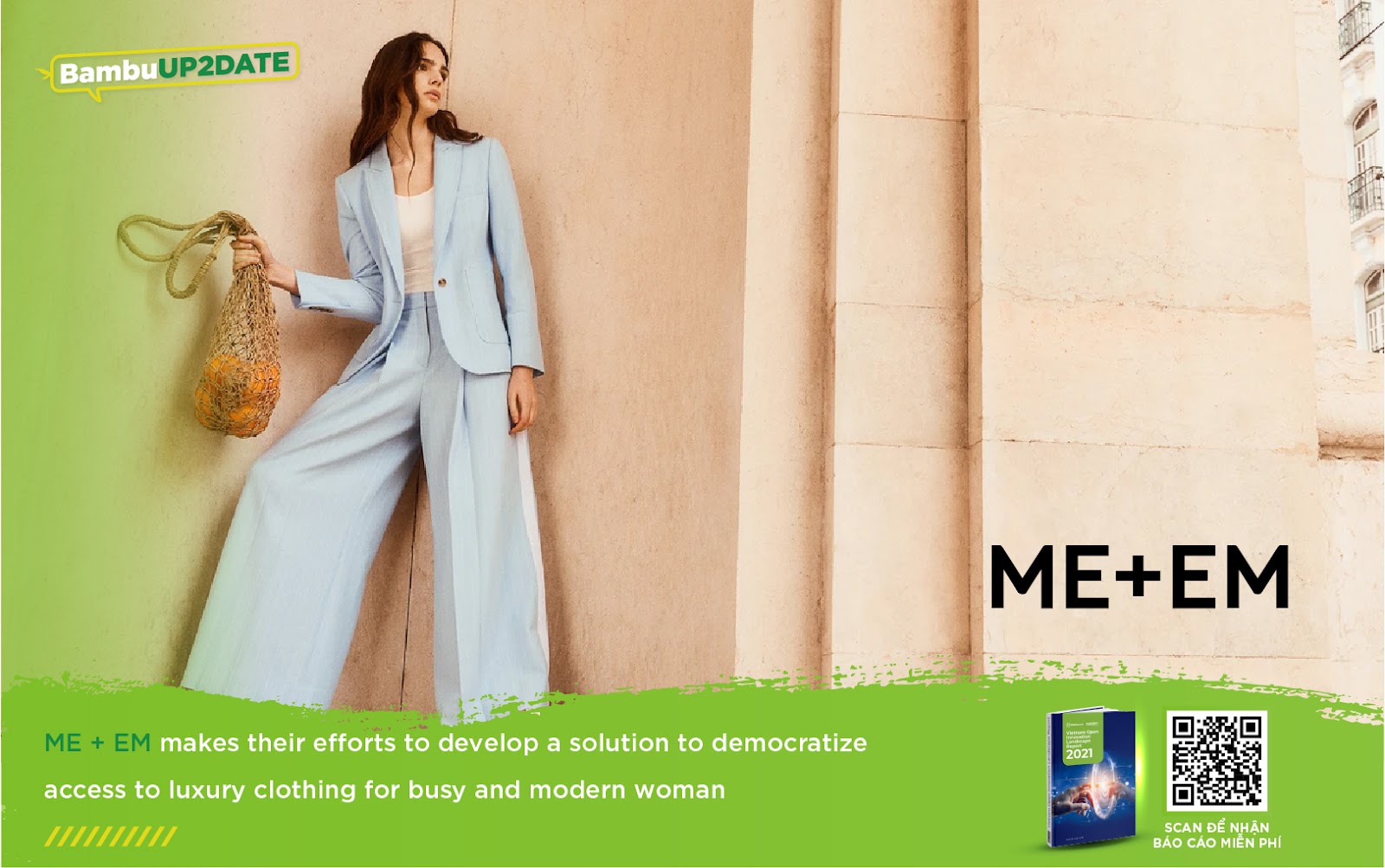
ME+EM is a UK-based women-led luxury fashion brand whose clothes are designed for the busy and modern woman. Its sales are almost entirely online, driven by a strong digital presence created through look books, storytelling and a seamless buying journey for its customers. The brand’s data-driven approach is democratising access to sustainable, long-lasting, contemporary luxury clothing.
ME+EM has raised £55 million. The round was led by Highland Europe. The added capital will accelerate the company’s expansion in the U.S., followed by continental Europe, Australia and the Middle East. Going forward, the platform is planning to open new stores in New York and Boston.
Clare Hornby, founder and CEO,ME+EM said: “Having seen soaring demand for our clothes in the U.S. and other key international markets, we know that there is a global appetite for the cut, quality, and style that we have created. As a digital-first, data-driven business we are seeing a huge opportunity ahead of us and with Highland Europe’s expertise in this area, we can use technology to delight and serve our customers across the world even more effectively.”
Simplify Metaverse-reaching journey of fashion brands with digital fashion label RSTLSS
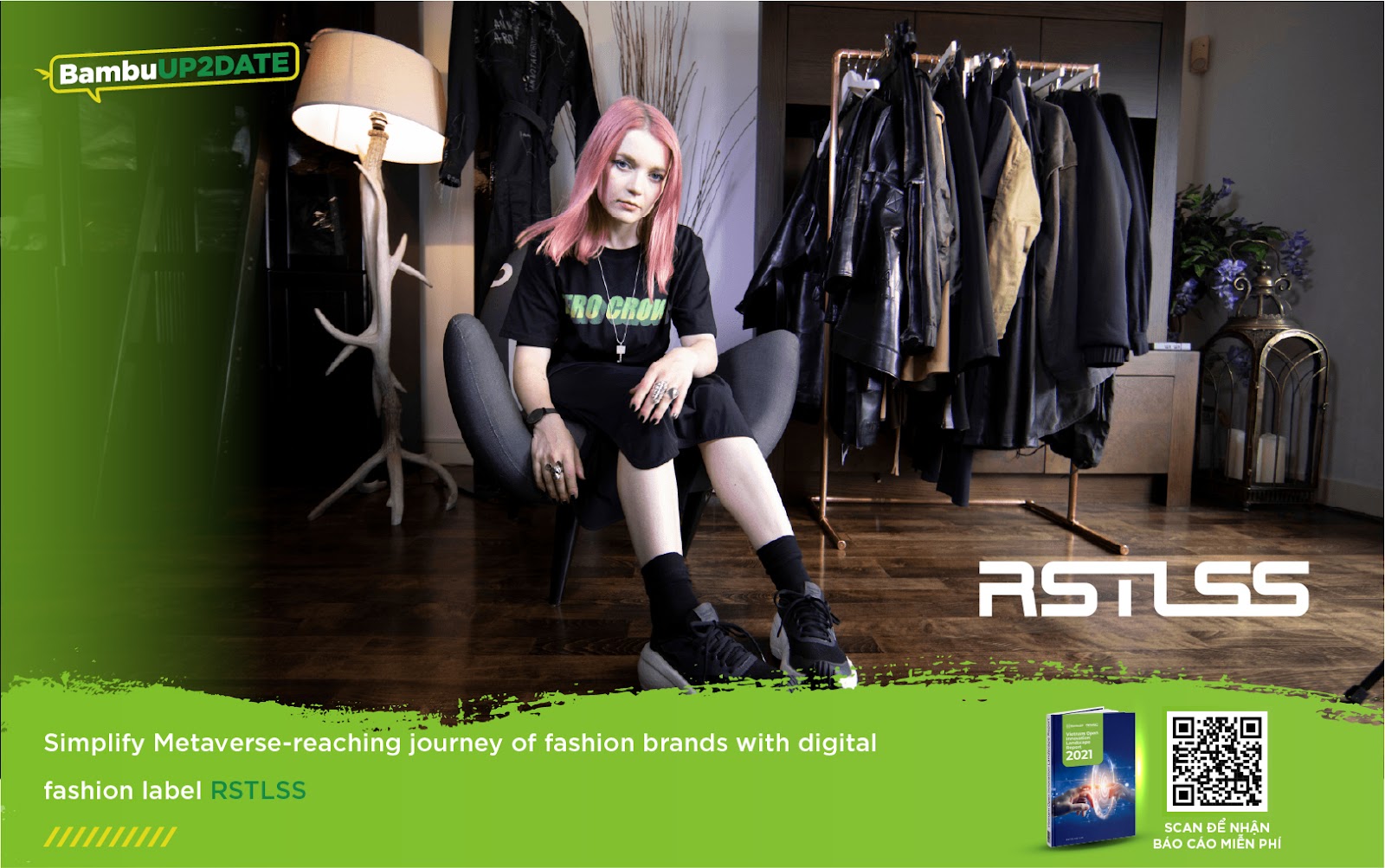
Gone are the days when fashion shows were dominated by ramp parades and catwalks down the aisle. Creators can now just sell and showcase their designs virtually. Startups are making a beeline to disrupt fashion in the metaverse world.
Founded by fashion designer Charli Cohen, RSTLSS is a platform that gives brands, influencers, and artists the freedom and accessibility to create and sell multiverse fashion, through an engaging, gamified experience. RSTLSS grows crypto-native brands and onboards traditional IPs into the metaverse via curated NFT drops. The company’s mission is to give people a way to express identity freely and fluidly, everywhere by leveraging their platform.
Charli Cohen, founder and CEO, RSTLSS said: “Identity is about expression and consistency. As we spend more time in virtual worlds, the ability to take what matters most to us across all the environments we exist in will be the expectation. At RSTLSS, we aim to remove the barriers for artists to create and monetise wearables and merchandise in the metaverse while simultaneously giving consumers ultimate control over their visual identities.” Cohen has created multiverse fashion with IPs such as Assassin’s Creed, Pokémon, and Sanrio, designing for in-game, AR, VR and the physical world.
Making it seamless for brands to access the metaverse in a scalable way while controlling their IP, London-based digital fashion label RSTLSS has raised a $3.5 million funding. The seed round was led by BITKRAFT Ventures. The investment will be used to grow the team and refine the product for go-to-market launch.