 One platform connecting startups, corporations, research institutions, regions and investors
 Southeast Asia Innovation Landscape 2026
 ESG Data-as-a-Service (DaaS) A game-changer for resource-constrained SMEs

Agriculture – Notable sector receiving investment in the past week
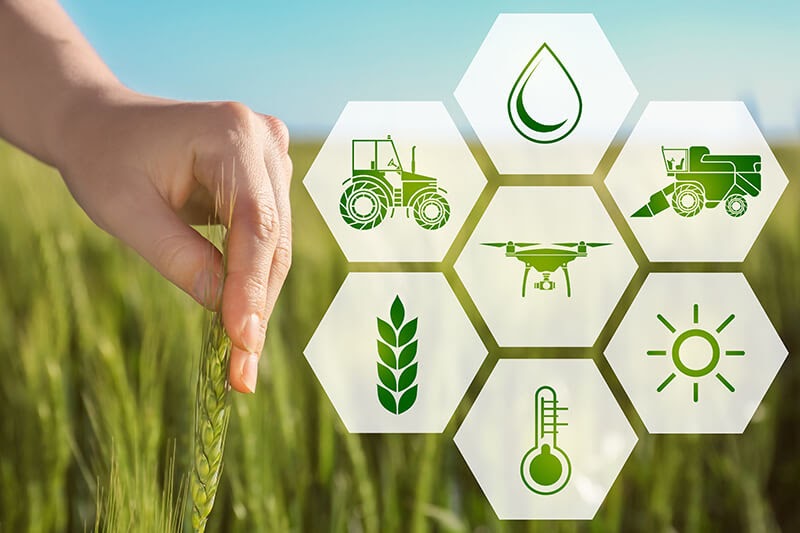
In the past week, many typical agricultural enterprises have received remarkable large investments. Businesses focus on providing sustainable and environmentally friendly agricultural solutions, contributing to minimizing the impact of the agricultural industry on the environment.
Impossible Materials raises $3.8 million to develop ‘bio-inspired’ titanium dioxide substitute from beetles
Swiss startup Impossible Materials has raised SFr 3.4 million ($3.8 million) in seed capital to help commercialize its first product, a cellulose-based alternative to titanium dioxide (TiO2), a white pigment was recently banned for use in the European Union in food.
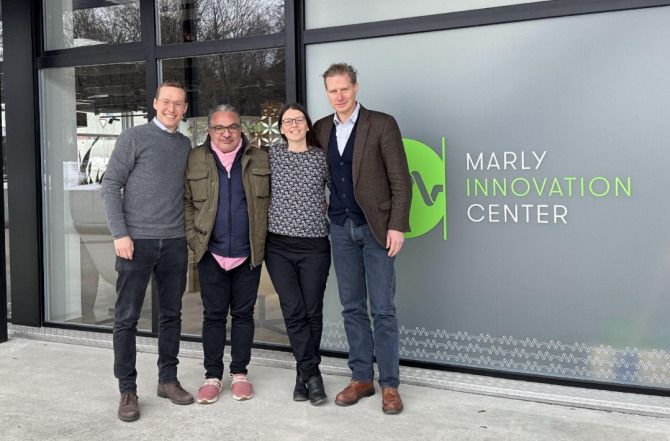
The round was led by Mission Possible Capital, backed by Big Idea Ventures and several other venture capitalists, along with Swiss angel investors. It will be used to build a pilot facility in Marly, Switzerland, to expand the team and work on entering the food, cosmetic and pharmaceutical markets.
Babylon microfarm hits $8 million Series A: ‘Bigger doesn’t necessarily mean better in vertical farming’
US-based Babylon Micro-Farms has raised $8 million in a Series A funding round to expand its business offering remotely managed vertical farming technology.
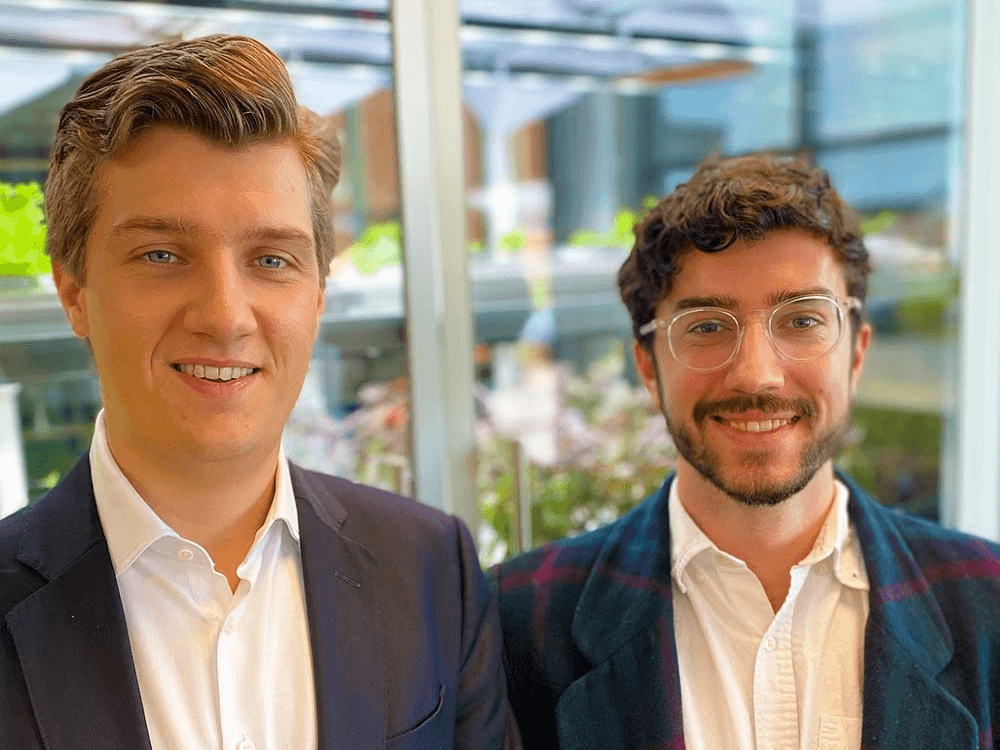
Venture South led the round with participation from Virginia Venture Partners, Hull Street Capital, New Theory Ventures, among others.
The Richmond, Virginia-based startup also received a $500,000 grant from the National Science Foundation. “This investment gives us the resources we need to execute growth plans that serve a variety of businesses and communities across North America,” the company said.
Land carbon start-up Agreena wins $50 million to break down financial barriers to agriculture recovery
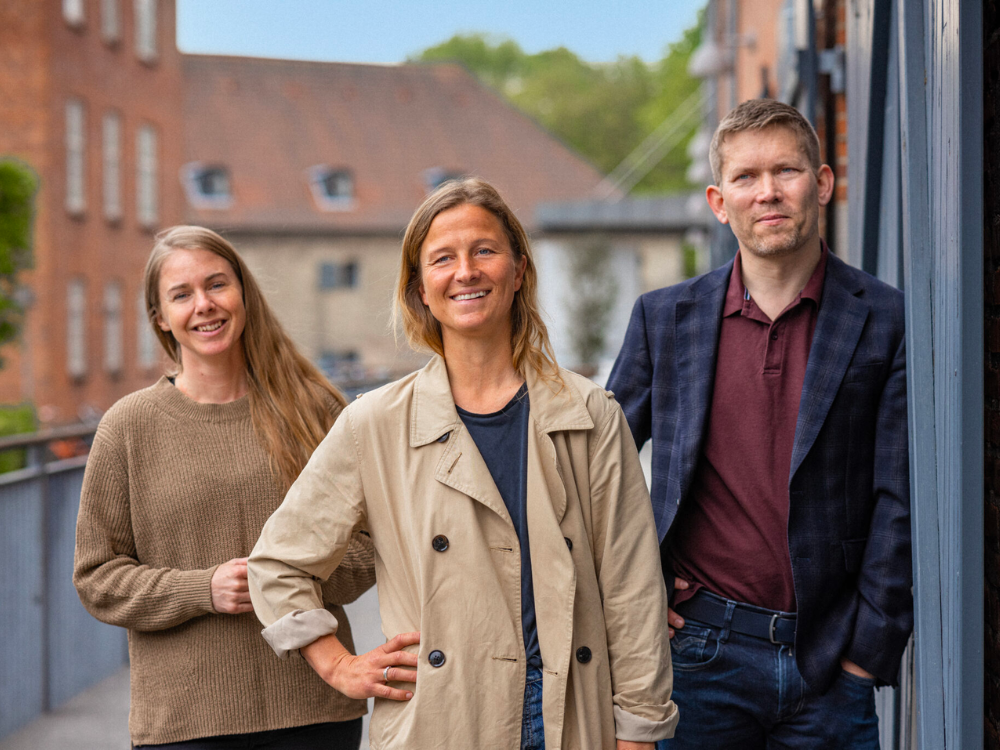
Denmark-based Agreena has raised 46 million euros ($50 million) in Series B funding for a soil carbon program to provide financial incentives for farmers to switch to regenerative agriculture practices.
Germany’s HV Capital led the round with participation from new investors including AENU and Anthemis. Existing investors are also involved and include Gullspång Re:food, Kinnevik and the Danish Export and Investment fund. Agreena will use the funding to continue building and expanding its carbon farming initiatives, including those that connect farmers with climate-conscious businesses.
Biomaterials startups bring global decline, up 14% to $2.2 billion as industry searches for non-synthetic alternatives
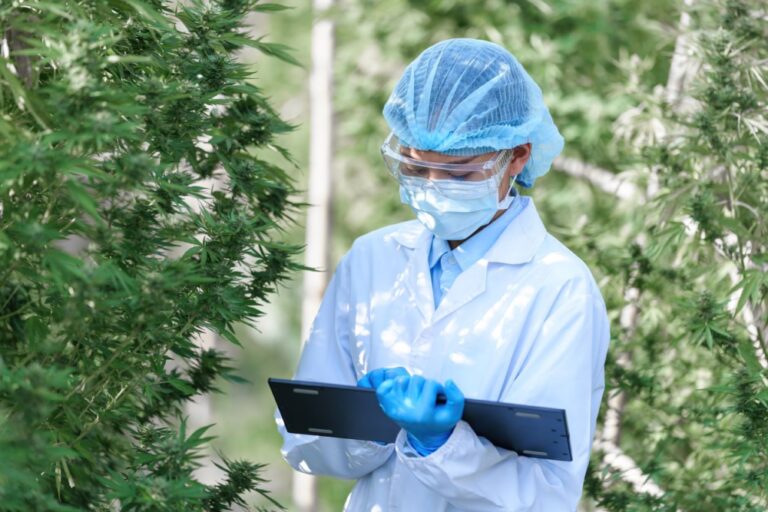
Bioenergy and Biomaterials is one of four agritech categories that have weathered a global venture capital decline in 2022 by posting a 14% year-over-year increase in funding for startups to $2.2 billion, according to the latest Global Agritech Investment Report from AgFunder.
This category includes a wide range of startups working to replace synthetic, fossil fuel or animal products with biological alternatives. This category includes startups creating bio-based energy alternatives to fossil fuels and other materials as well as mining, processing, non-food materials technology and pharmaceuticals. high-tech cannabis products.
While bioenergy is nothing new, the development of bio-substitutes for chemicals, plastics, leather and other materials has particularly accelerated in recent months, dominating transactions. top in the category.
As with most agritech categories, the United States is leading in the category generating just over half of all funding, with Asian startups coming in second, with China prominent.