 One platform connecting startups, corporations, research institutions, regions and investors
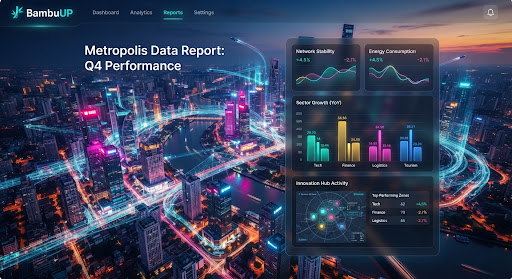 Southeast Asia Innovation Landscape 2026
 ESG Data-as-a-Service (DaaS) A game-changer for resource-constrained SMEs


1. Technology overview
Iktos was founded in 2016 in Paris, France. It applies generative artificial intelligence and laboratory robotics to small-molecule drug discovery, shortening the design-make-test-analyse cycle that determines how quickly a research programme reaches a preclinical candidate.
The software is licensed as SaaS. Makya performs de novo molecular design with multi-parametric optimisation, and version 2.0 added data analysis and visualisation; Spaya predicts feasible retrosynthesis routes; Iktos Engine, announced in May 2026, exposes APIs for agentic workflows and computational chemistry pipelines. On the hardware side, Iktos Robotics Chemistry runs autonomous synthesis, purification and analysis, while Iktos Robotics Biology performs in-cellulo screening to generate biological data. The company reports more than 60 collaborations with pharmaceutical, biotech and academic institutions, including Pfizer, Takeda, Johnson & Johnson and Pierre Fabre.
2. Highlighted features & specifications
1. Makya: generative de novo molecular design SaaS with multi-parametric optimisation; Makya 2.0 adds data analysis and visualisation.
2. Spaya: AI retrosynthesis engine that scores and ranks feasible synthetic routes for proposed molecules.
3. Iktos Engine: APIs released in May 2026 for agentic workflows and computational chemistry pipelines.
4. Robotics Chemistry: autonomous laboratory handling synthesis, purification and analysis without manual intervention.
5. Robotics Biology: in-cellulo screening platform generating biological data to close the design-test loop.
6. Track record: over 60 collaborations with pharma, biotech and academia, including Pfizer, Takeda and Pierre Fabre.