 One platform connecting startups, corporations, research institutions, regions and investors





 Playbook & Handbook · February 6, 2026
Winning Accelerator Playbook 2026 by BambuUP
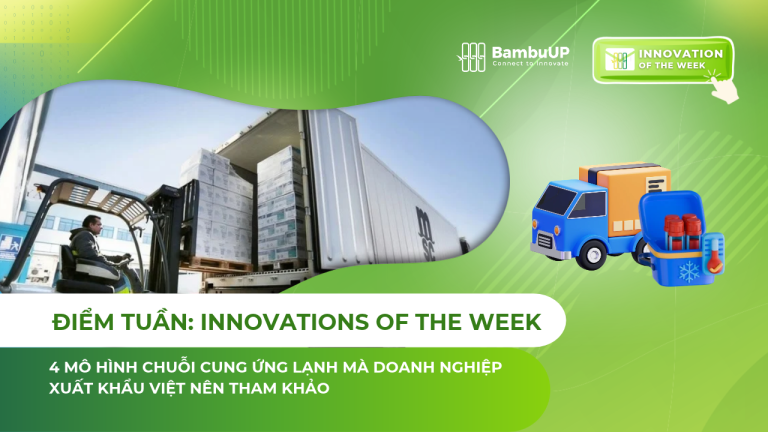 4 Cold Chain Models Vietnamese Exporters Should Consider


1. Technology overview
Agilyx was founded in 2004 in Longview, Washington, to develop chemical recycling technology, and today operates as Agilyx ASA, listed on the Oslo Stock Exchange with its registered headquarters in Oslo and a US office in Tigard, Oregon. It addresses plastics that mechanical recycling handles poorly, especially polystyrene with flame retardants or contamination and mixed plastic waste.
Its Styrenyx technology feeds densified polystyrene waste into a patented pyrolysis reactor that operates at controlled temperatures without a catalyst and converts it back into styrene monomer. TruStyrenyx, developed with Technip Energies, adds purification to reach more than 99.8 wt% styrene purity suitable for food-grade products and removes flame retardants. Agilyx licenses the technology and supplies the core equipment, offers mixed-waste-to-pyrolysis-oil plants, and supplies feedstock through Cyclyx and Plastyx. The first commercial plant runs at Toyo Styrene in Chiba, Japan.
2. Highlighted features & specifications
- Styrenyx depolymerisation: patented pyrolysis reactor converts polystyrene into styrene monomer without a catalyst.
- TruStyrenyx purification: produces styrene above 99.8 wt% purity for food-grade use.
- Flame retardant removal: handles distressed and flame-retardant-laden polystyrene feedstock.
- Mixed waste-to-PyOil: plants that turn mixed plastic waste into pyrolysis oil.
- Feedstock supply: Cyclyx and Plastyx source and formulate feedstock for recyclers.
- arcLABS: R&D laboratory supporting process development and licensees.
3. Potential application
Styrene and polystyrene producers in Vietnam can license Styrenyx to add recycled styrene capacity. Food packaging and electronics packaging companies can secure food-grade recycled polystyrene. Waste management companies can collect expanded polystyrene and fish boxes from markets and ports as feedstock.
4. Benefits
Polystyrene waste, including flame-retardant grades that are hard to recycle, is turned back into styrene monomer for virgin-equivalent polystyrene. TruStyrenyx output exceeds 99.8 wt% purity and is suitable for food-grade packaging. According to the company, the process cuts CO2 emissions by up to 86% versus fossil production when run on renewable power, about 27,700 tonnes of CO2 per facility per year, based on an assessment by Sphera. Licensees receive proven technology already in commercial operation in Japan.
5. Market trends & opportunities
Polystyrene foam and food packaging are among the least recycled plastics, and regulators are tightening rules, including EU recycled content targets for packaging from 2026. In Vietnam, EPR obligations cover packaging, and producers of polystyrene and food packaging in Asia are looking at chemical recycling to keep using the material while meeting recycled content demands.
6. Other information
Founded in 2004 in Longview, Washington; Agilyx ASA is headquartered in Oslo, Norway, with a US office in Tigard, Oregon, and is listed on the Oslo Stock Exchange (AGLX). TruStyrenyx was launched with Technip Energies; Toyo Styrene runs the technology in Chiba, Japan. In 2025–2026 it took control of GreenDot (50.1%), launched Plastyx and fully reabsorbed Cyclyx.