 One platform connecting startups, corporations, research institutions, regions and investors












 Playbook & Handbook · February 6, 2026
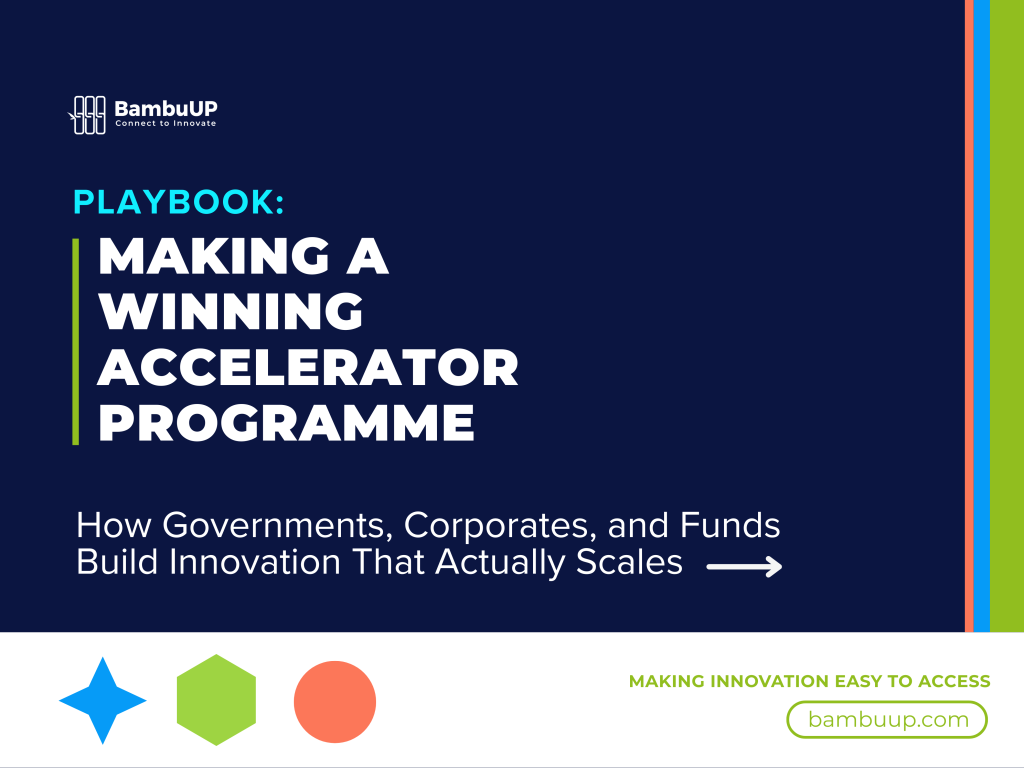
Winning Accelerator Playbook 2026 by BambuUP
 CYBERSECURITY: 4 STARTUPS INNOVATING SECURITY TECHNOLOGIES FOR CONNECTED DEVICES AND SYSTEMS

BAMBUUP x GAIC 2026 – WHEN INNOVATION DRIVES GROWTH IN THE AGRICULTURE AND FOOD INDUSTRY
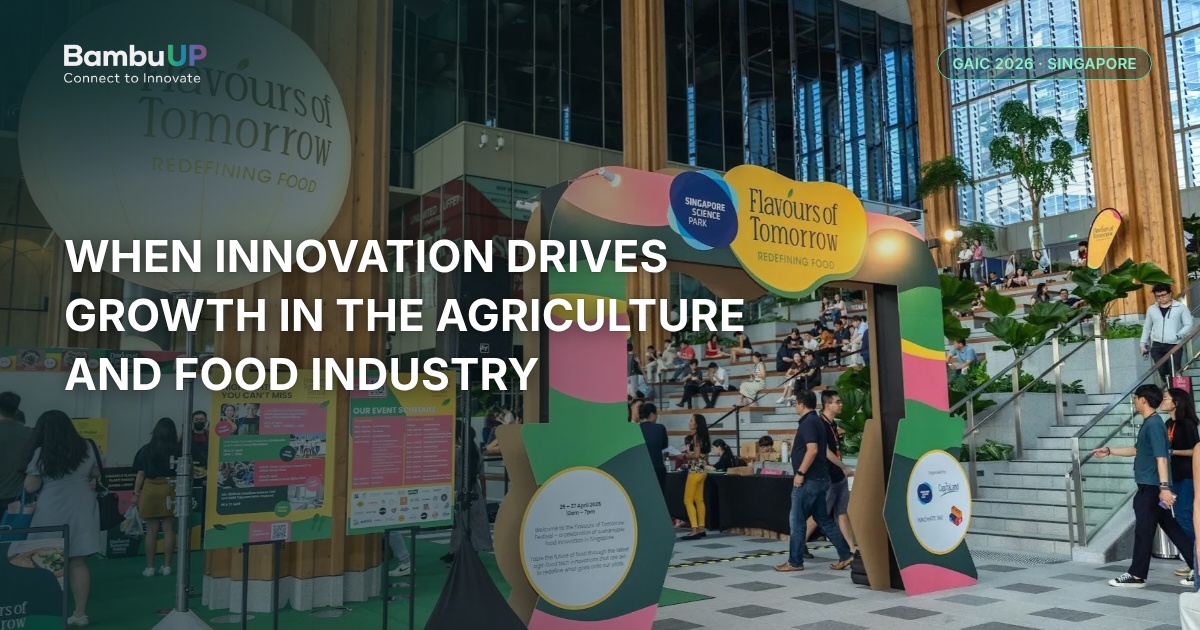
A technology that performs well in trials will not necessarily hold up in the field or on the factory floor. At GAIC 2026, Mrs. Nguyen Huong Quynh, CEO of BambuUP, served on the Judging Panel, evaluating innovation solutions in Agriculture and Food. The evaluation was guided by one recurring question: how can solutions be brought closer to real production conditions and the market?
A breakthrough technology is not yet a successful innovation
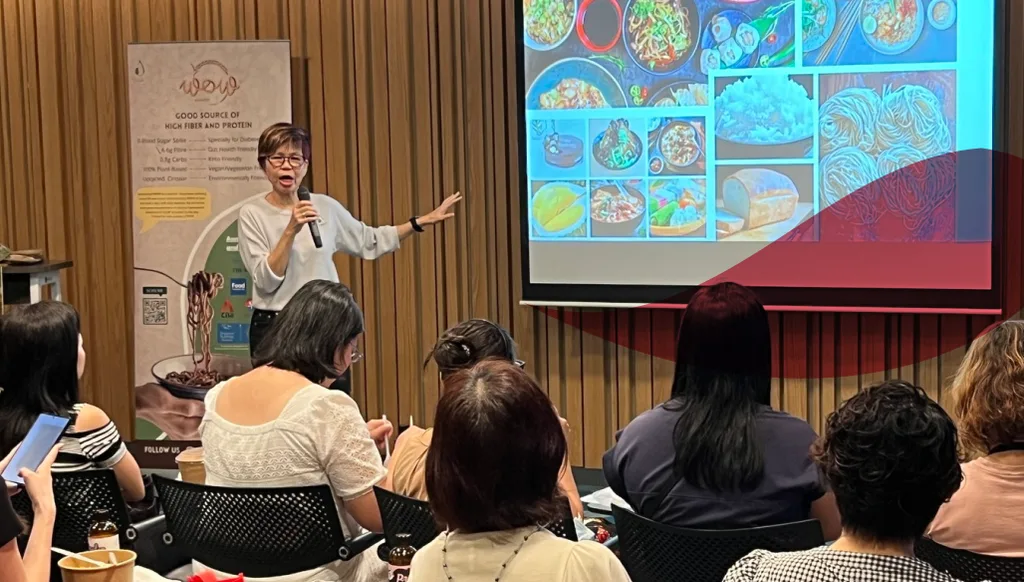
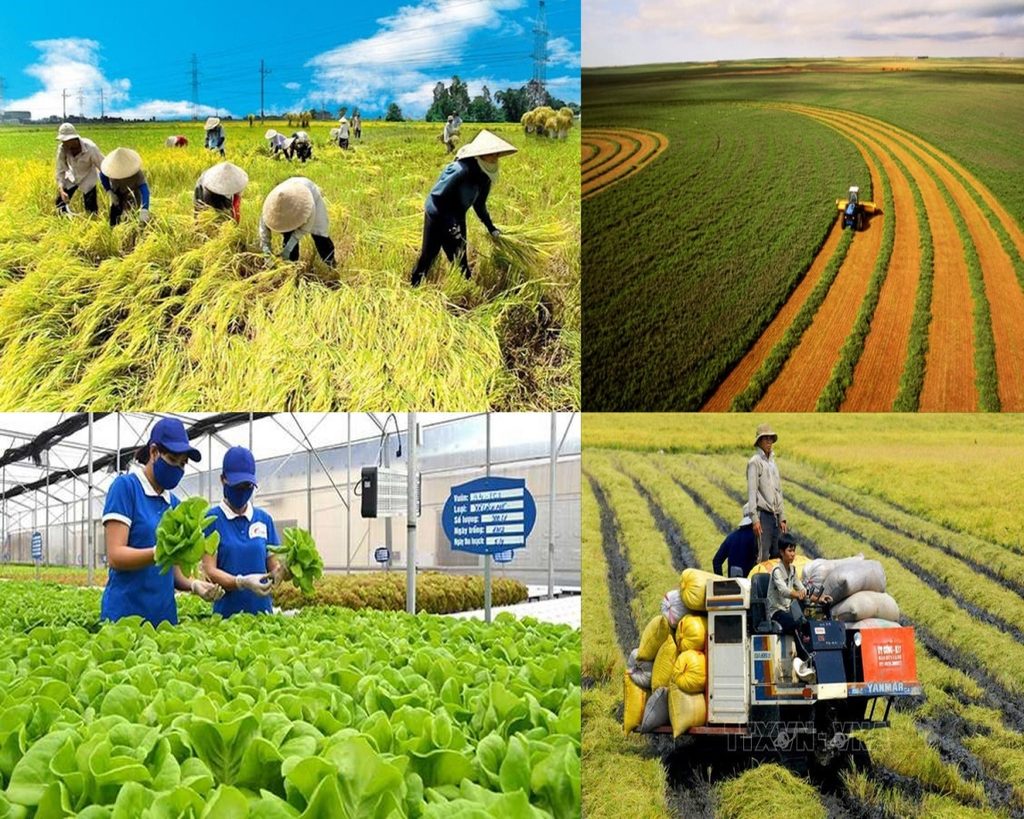
In Agriculture and Food, a solution’s value is proven only when it operates under real production conditions, fits what users are ready to adopt, and demonstrates economic returns. A solution may perform well in trials yet struggle at deployment because of investment costs or infrastructure limitations.
The gap between a feasible technology and a solution the market accepts comes down to two things: technical capability, and the ability to find the right deployment model along with the partners needed from the ecosystem. For high-tech agriculture and FoodTech, this is a question every startup competition must confront: a solution that looks impressive on stage will not necessarily hold up in the field or on the factory floor.
Three tests before a solution can be called a successful innovation
The first test is real production conditions. In the lab, weather, water, raw materials and processes are all controlled. In the field, on the farm or in the processing plant, those variables shift constantly, and a solution is credible only if it keeps working in that context.
The second test is user adoption readiness. Farmers, cooperatives and processors differ in habits, resources and willingness to change. A strong technology that asks users to change too much at once is usually adopted slowly.
The third test is economic return. Investment cost, operating cost and payback period must fall within the deploying party’s means, and the infrastructure must be sufficient for the solution to run reliably. When all three tests are met, a new technology becomes a true innovation. If any one is missing, it remains a good idea, not yet a solution the market accepts.
BambuUP at GAIC 2026 as a member of the Judging Panel
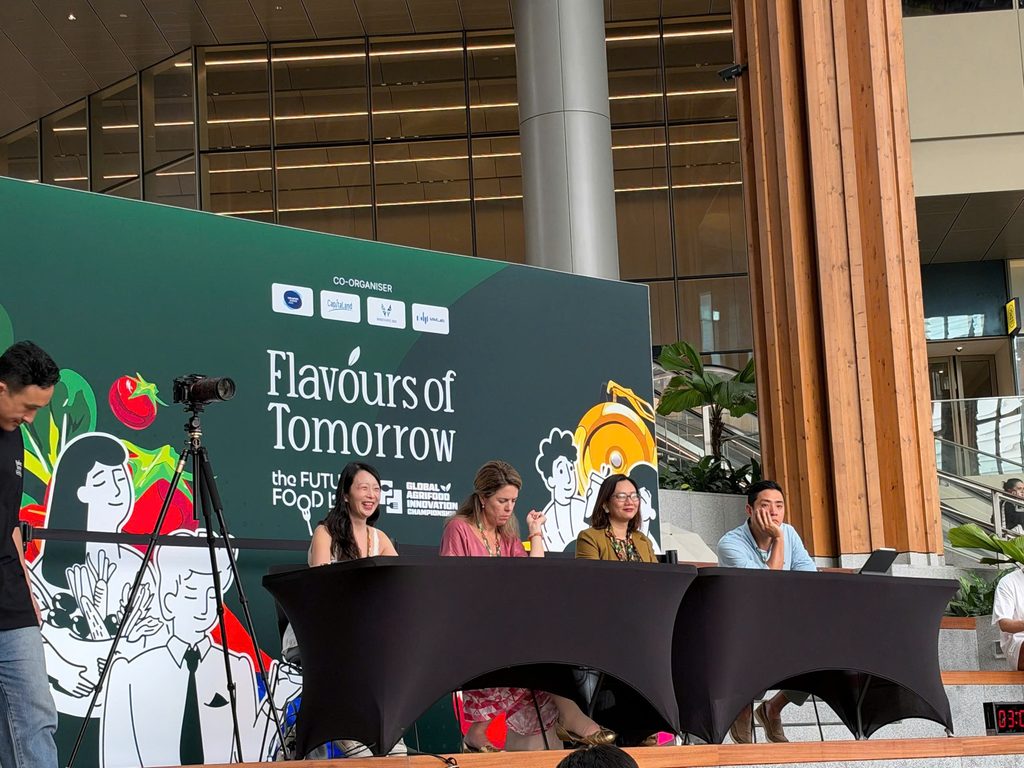
According to the event’s official page, GAIC 2026 takes place on November 5–6, 2026 at GENEO, Singapore Science Park, as part of Singapore AgriFood Week and the Flavours of Tomorrow Festival. The organizers describe it as a multi-round competition that showcases and accelerates agrifood startups worldwide. It is billed as “The Boxing Ring of AgriFood Tech,” with the message: 40 startups, 4 brackets, live head-to-head matches and one overall champion.
Day one includes the opening ceremony, two pitch rounds and a panel discussion on the future of agrifood innovation. Day two features the semifinals, the head-to-head finals and the awards announcement. This “in the ring” format puts startups into live matches, which echoes the point of this article: a solution must prove its value, not just present an idea.
Prize structure, per the same event page:
| Prize | Value |
| 1st Prize | SGD 10,000 and trophy |
| 2nd Prize | SGD 3,000 and trophy |
| 4 special awards (Most Innovative Agrifood Solution, Outstanding Sustainability, Social Impact, Market Readiness) | SGD 500 each |
| Total prize pool | SGD 15,000 |
Mrs. Nguyen Huong Quynh’s participation on the GAIC 2026 Judging Panel reflects BambuUP’s support for innovation initiatives in Agriculture and Food. It also brings a perspective that connects technology, market demand and practical applicability into the evaluation of solutions.
Through this role, BambuUP continues to affirm its commitment to the innovation ecosystem. The goal goes beyond identifying promising technologies: it is to foster connections between solution providers, companies and the resources needed to turn collaboration opportunities into reality. Ultimately, the value of innovation lies not only in what the technology can do, but in the positive change it creates in real production and business operations.
What is Open Innovation in Agriculture and Food?
When a company cannot overcome every barrier in technology, expertise and deployment on its own, partnering with outside resources is an approach worth considering. Open Innovation is therefore not simply about widening a network of contacts. It is how a company deliberately combines outside resources with its internal capabilities to shorten the search, testing and deployment of solutions.
Across the agrifood chain, this typically means matching startups, research institutes and solution providers with a company’s specific business challenge.
How does Open Innovation differ from in-house innovation?
The traditional approach is for a company to research, test and deploy everything itself, step by step. This allows tight control, but it tends to slow down when a piece is missing, such as core technology, domain expertise or a partner able to pilot in the field. Open Innovation asks a different question: does the missing piece already exist outside the company, and how can it be connected to the problem at hand?
There are three types of barrier that a company finds hard to overcome alone: technology, expertise and deployment. Each calls for a different kind of partner. Technology barriers usually call for startups or research teams with ready solutions. Expertise barriers call for research institutes or specialists. Deployment barriers call for organizations that understand infrastructure, supply chains and end users.
An illustrative example (hypothetical, not a real case): a food processing company wants to reduce raw material loss. Rather than building a research team from scratch, it defines the problem clearly, identifies startups with suitable technology, asks a research institute to assess it technically, and pilots it on a small production line before scaling up. The company stays at the center and uses its internal capabilities to put the solution into operation.
From market signals to the right partners
Innovation Intelligence answers the first question: what should a company look for, and where? By reading market signals, BambuUP helps companies clarify their innovation needs, recognize opportunities and decide which types of solutions to prioritize. Open Innovation picks up from there: finding the right partners, connecting them to the need, and bringing solutions into testing and deployment.
How these two steps connect matters because it shortens the search. A company does not start from a long, unfiltered list of startups, but from a clearly defined problem. Startups, in turn, know which problem they are solving instead of guessing at market demand.
Who takes part in the BambuUP ecosystem
BambuUP connects startups, large corporations, research institutes, local governments and investment funds. The platform serves two sides: organizations that bring innovation needs, known as Innovation Seekers, and startups, researchers and solution owners that bring solutions, known as Innovation Providers. The Innovation Hub is where innovation needs and solutions are posted and discovered, while the Challenge Hub is where challenges from companies, cities and funds are published for the solution community to take on.
For companies that need deeper support, BambuUP offers Innovation-as-a-Service in four stages: Frame (defining the problem), Discover (finding solutions and partners), Validate (testing and verification) and Scale (expansion). This is also the path an Agriculture and Food challenge should follow before it can be called a success.
Staying connected to bring solutions closer to real-world use

GAIC 2026 has closed, but the journey of bringing promising Agriculture and Food solutions closer to real-world use must continue. What matters is not only the technologies on show, but the ability to keep startups, companies and ecosystem resources connected to drive adoption, partnerships and scale-up.
After GAIC 2026: how do you bring an innovation into real-world use?
First, anchor the solution to a specific problem. After a competition, a startup gains credibility and attention, but a company decides to pilot only when a solution matches a need that already exists. Spelling out the need, budget and deployment conditions gives both sides a common language and makes it easier to understand each other.
Second, pilot at small scale before expanding. A pilot with a clear scope, measurable indicators and a fixed timeline lets both the company and the startup see whether the solution works outside ideal conditions.
Third, and most important, stay connected after the event. Meetings at an event create value only when followed by concrete exchanges and collaboration. Startups and companies need to keep interacting, look for ways to work together, and turn ideas into real projects step by step. Innovation networking platforms act as a bridge, helping parties keep finding partners, sharing resources and building long-term collaboration opportunities.
Frequently asked questions
When does innovation in agriculture and food count as successful?
When the solution runs under real production conditions, fits what users can adopt, and shows economic returns. A breakthrough technology is not the same as a successful innovation.
How is Open Innovation different from expanding a network of contacts?
Open Innovation means a company deliberately combines outside resources with its own capabilities to solve a specific business problem, shortening the search, testing and deployment.
BambuUP – Connect to Innovate