📘 TABLE OF CONTENTS 📘
- 1. Outstanding highlights on the Global Innovation Index 2025 Ranking
- 2. South Korea's innovation journey: From foundation to future vision
- 2.1. Initial phase: The "developmental state" policy as the foundation
- 2.2. Industrial transformation: From "following up" to "leading"
- 2.3. Governance apparatus: Flexible and institutional innovation
- 2.4. Building technology infrastructure: "digital nervous system" and global breakthroughs
- 2.5. Future orientation: sustainable, green, and service innovation
- 3. Open innovation in South Korea
- 3.1. From "closed labs" to shared infrastructure platforms
- 3.2. University - enterprise: When knowledge no longer stays in the lecture hall
- 3.3. Internationalizing the talent ecosystem: strong opening, but not enough "breath"
- 4. Startup ecosystem in South Korea: When innovation steps into the market
- 4.1. Government support and investment in startups
- 4.2. Global connectivity - the missing piece of the startup ecosystem
- 5. Future challenges of innovation in ‘The Land of Kimchi’
- 5.1. Regional disparities and balancing initiatives
- 5.2. Aging population and workforce puzzle - long-term challenge for innovation
- 5.3. Social inequality, regulations, and sustainability
From the 'Miracle on the Han River' to a leading innovation hub in Asia, South Korea has undergone a remarkable transformation through a long journey of institutional restructuring, knowledge openness, and fostering an innovation culture. But as the world enters a new era of innovation, can this former 'fast follower' continue to join the ranks of global 'first movers'?
1. Outstanding highlights on the Global Innovation Index 2025 Ranking
On the world map of innovation this year, South Korea continues to hold an impressive position: ranked 4th globally in the Global Innovation Index (GII) 2025 [1].
This is not just a number, but evidence of the combined strength of human intelligence, advanced technology, and a continuously evolving research and innovation ecosystem.
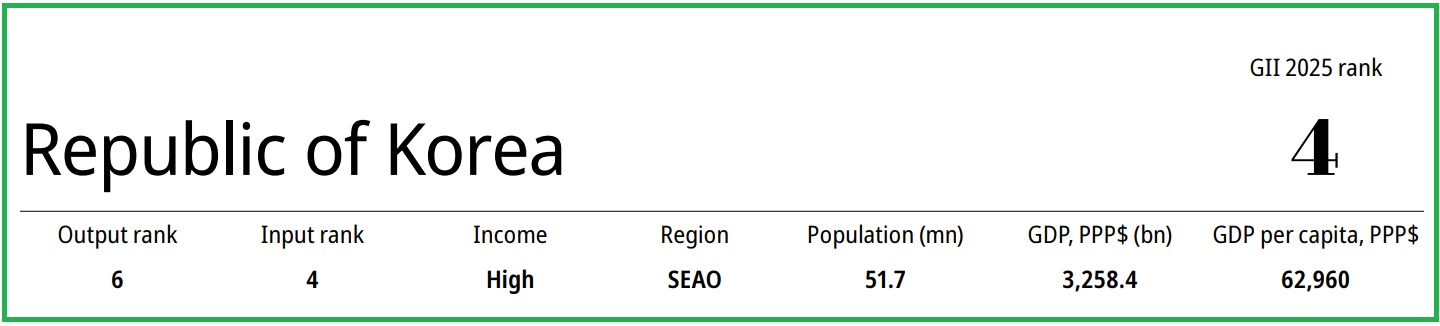
South Korea rose 2 ranks on the Global Innovation Index compared to 2024 (Source: WIPO)
The brightest highlight is in human capital and research – where the country holds the world's No. 1 position.
With over 9,480 researchers per million people, R&D expenditure at 5.0% of GDP [1], along with a government R&D budget of 24.8 trillion won in 2025 and projected 35.3 trillion won in 2026 [2][3], South Korea has demonstrated superior strength and determination to lead in science and technology.
The government is also increasing investment in education, with a 2025 budget of 98.5 trillion won, nearly double that of less than a decade ago [2], creating a solid foundation for universities to rank in the top 9 on the global QS rankings and achieve impressive PISA scores [1].
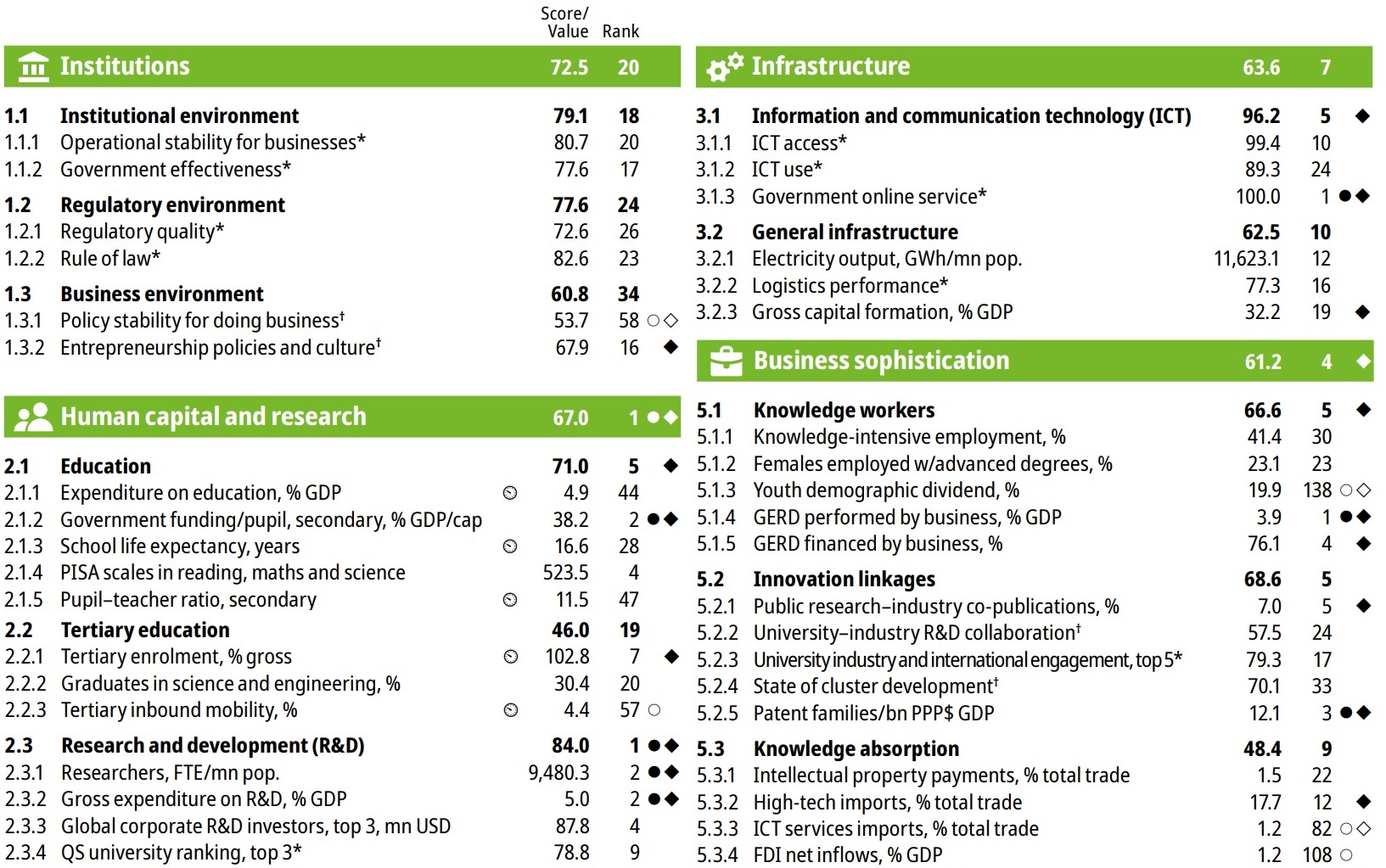
Impressive rankings of South Korea in academic and business innovation (Source: WIPO)
In the "Knowledge and Technology Outputs" pillar, South Korea continues to make a strong mark: leading the world in patents per billion USD PPP GDP, while ranking in the top 7 for high-tech exports, accounting for 19.7% of total trade. This not only demonstrates peak research capabilities but also proves rapid commercialization, turning scientific ideas into real economic value.
However, South Korea's creativity extends beyond technology, conquering cultural and branding fields. With an overall 4th ranking in "Creative Outputs," the country stands out in the top 3 for industrial design and top 6 for global brand value.
From the K-pop and K-drama wave to cosmetics and fashion, "Korean essence" is not only a symbol of soft power but also an economic driver, elevating cultural and creative service exports to new heights.
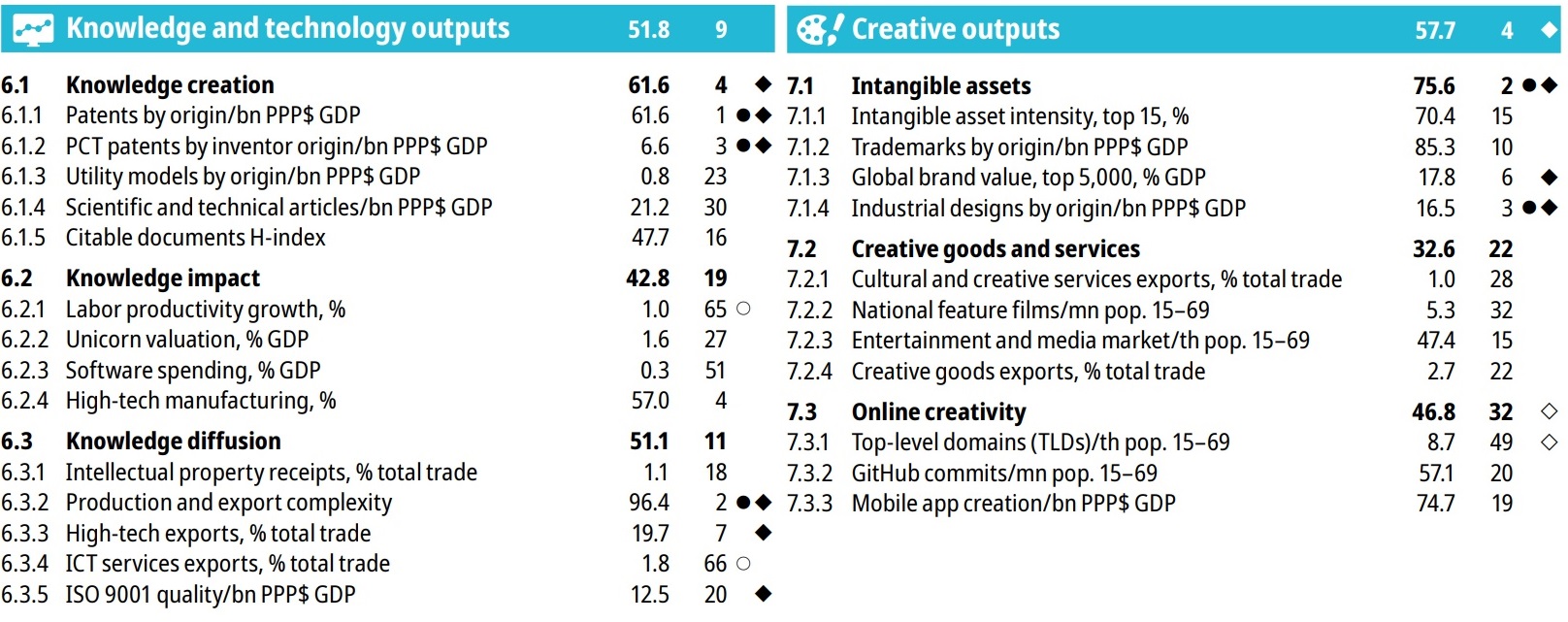
Culture and branding have become prominent economic drivers for South Korea (Source: WIPO)
Looking at these achievements, it is evident that South Korea is building a development model where technology, culture, and knowledge blend, creating a hard-to-replicate competitive advantage in the green and digital era.
2. South Korea's innovation journey: From foundation to future vision
2.1. Initial phase: The "developmental state" policy as the foundation
Since the 1960s, South Korea has positioned science, technology, and innovation (STI) as strategic pillars in national development. The government acts as the "chief architect" - guiding directions, investing in education and research infrastructure - while the private sector, especially chaebol conglomerates, serves as the engine to realize innovation goals [4].
STI policies are planned in 5-year cycles through the Basic Plan for Science and Technology, ensuring continuity, long-term orientation, and adaptability to global contexts. A key milestone is the 577 Initiative, focusing on pillar industries such as semiconductors, shipbuilding, automobiles, steel, textiles, and materials.
This initiative was groundbreaking as it not only increased incentives for corporate research investment but also expanded basic research funding from 25% to 50% of the government's total R&D spending - a move demonstrating South Korea's clear determination to build a solid scientific foundation for the future [4].

The Basic Plan for Science and Technology is planned in 5-year cycles (Source: Collected)
If previously, South Korea's economy relied mainly on heavy industrial manufacturing, today the country has shifted to a knowledge and service economy, reflecting a sustainable development vision and future orientation [4].
The combination of state policies, advanced education systems, and strong production capabilities has helped South Korea become one of Asia's leading innovation centers.
2.2. Industrial transformation: From "following up" to "leading"
From a resource-poor economy post-war, South Korea built the "Miracle on the Han River" – a spectacular rise from a low-income country to an industrial powerhouse in just a few decades.
Since the 1960s, South Korea's development strategy has gradually shifted from inward-looking to outward-looking, from import substitution to export-driven growth, with science-technology-innovation (STI) at the center [7].
In the early phase, government research institutes (GRIs) played a core role in transferring technology from abroad and localizing knowledge, creating a foundation for major conglomerates like Samsung, Hyundai, or POSCO to quickly absorb, improve, and commercialize technology, significantly shortening the gap with advanced economies [7].
From the 1990s, South Korea entered a new phase - confidently moving away from the "fast follower" strategy to become a "first mover."
Over the past two decades, the country has proactively invested heavily in education, research, and development, creating a globally-minded knowledge generation. Universities and conglomerates have opened doors to foreign experts, sent leaders abroad to learn, and combined Western business practices with the discipline and speed of the "Japanese system" [6].
Currently, the private sector accounts for 70% of total R&D spending, while the government holds about 25%, reflecting a "developmental state – enterprise-led" model. Major conglomerates like Samsung, Hyundai, POSCO, LG Electronics are not only economic pillars but also national "innovation laboratories," where ideas are quickly transformed into globally valuable products [4].
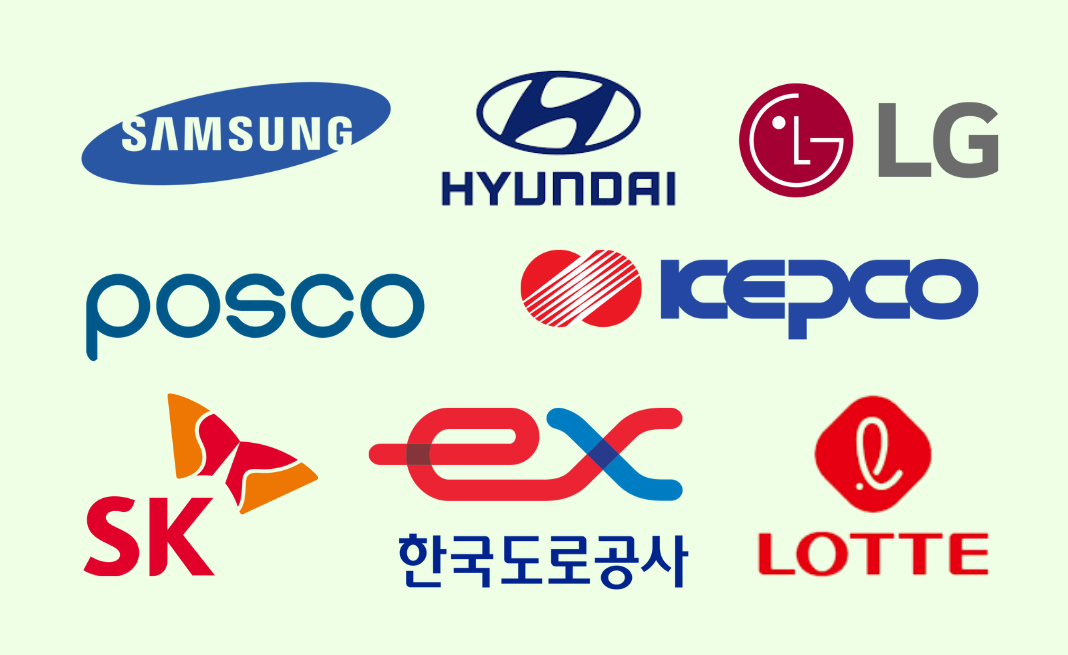
Chaebol conglomerates are both economic pillars and national "innovation laboratories" (Source: BambuUP)
As a result, South Korean enterprises have not only improved management and marketing capabilities but also deeply understood consumers in both emerging and developed markets, gradually shaping their unique identity on the global map. Their success represents a major shift – from technology learning to knowledge export and setting new standards in global value chains [6][7].
2.3. Governance apparatus: Flexible and institutional innovation
Behind the impressive achievements is a multi-layered, tight yet flexible innovation governance machinery. The two main agencies – the Ministry of Education, Science and Technology (MEST) and the Ministry of Knowledge Economy (MKE) – handle policy planning and implementation in two key pillars:
MEST is responsible for planning science-technology development policies, R&D investment, and supporting research institutes and universities nationwide. Meanwhile, MKE focuses on promoting innovation in the industrial sector, especially in manufacturing and applied technology [4].
A significant turning point in South Korea's STI governance structure was the establishment of the National Science and Technology Council (NSTC) in 2011, granted authority to allocate up to 70% of the government's R&D budget. In the Council's 16 billion USD budget in 2012, nearly half was allocated to public research institutes, and about 25% each to universities and private enterprises [4].
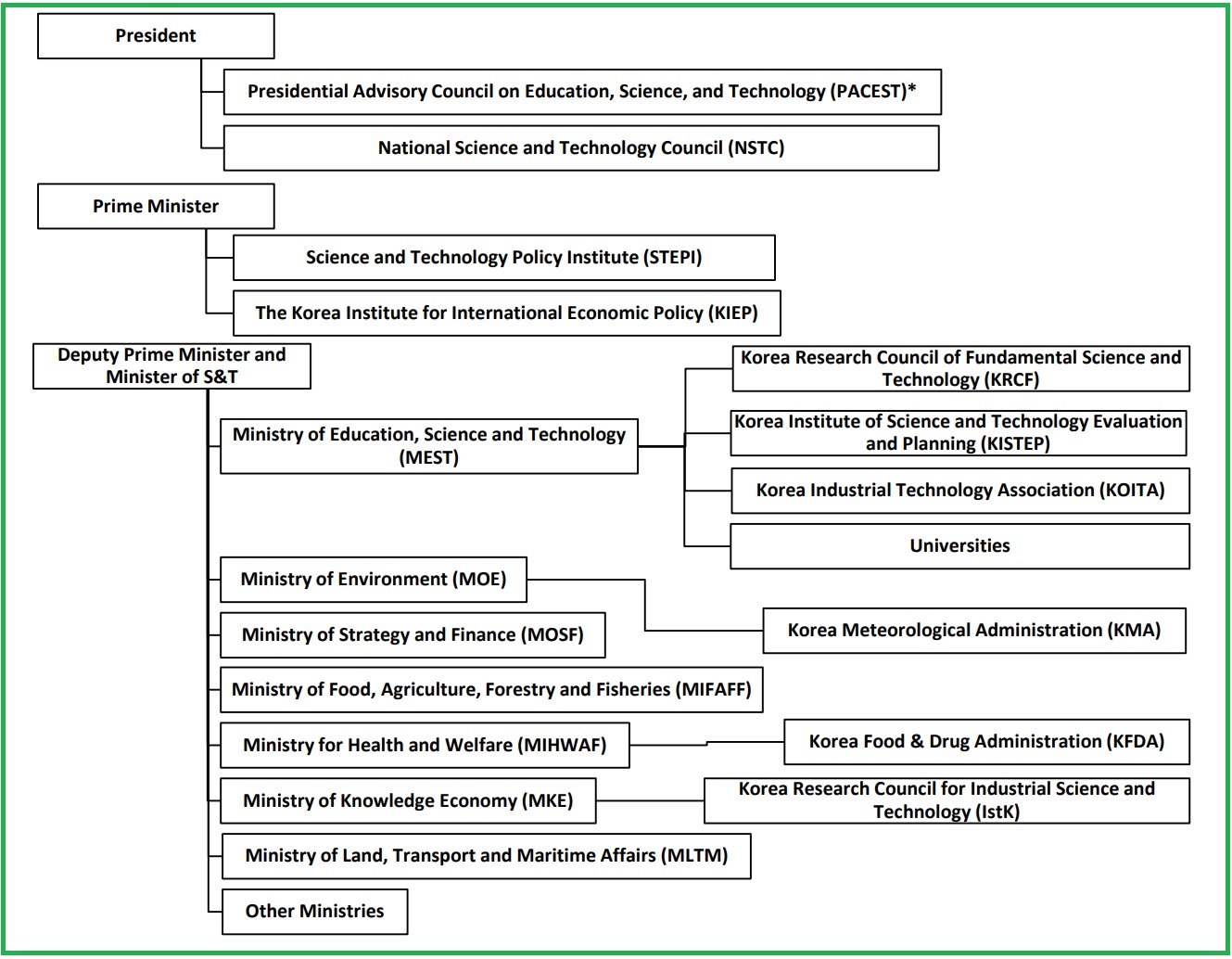
Structure of the South Korean government system (Source: Collected)
The legal framework has also been continuously improved, starting with the Framework Act on Science and Technology (2001) – the foundation for establishing a modern innovation governance system. A recent important step is the National R&D Innovation Act (2021), which simplifies processes, avoids budget overlaps, increases inter-ministerial coordination, and promotes flexibility in resource allocation [7].
Along with that, South Korea continuously consolidates and restructures STI agencies, ensuring a lean management system that adapts quickly to 5-year policy cycles.
Although this flexibility sometimes causes short-term disruptions, overall, it has helped South Korea maintain a dynamic and continuously learning governance mechanism, suitable for the pace of change in the technology era [7].
2.4. Building technology infrastructure: "digital nervous system" and global breakthroughs
If the economy is likened to a living body, South Korea has been building a complete "digital nervous system." As early as the 2000s, the government invested heavily in broadband infrastructure, quickly surpassing OECD countries in fixed internet and fiber optic coverage. Today, South Korea's fiber optic connection rate is the highest in the world, serving as the foundation for the data ecosystem and digital industry [7].
Not stopping there, South Korea was the first country to commercialize 5G on a global scale. With 19.4 million 5G subscribers (accounting for 26.8% of total mobile subscribers) just two years after deployment, along with the national "5G+" strategy launched in 2019, the country is integrating 5G technology into the entire industrial value chain – from devices, services to smart manufacturing [8].
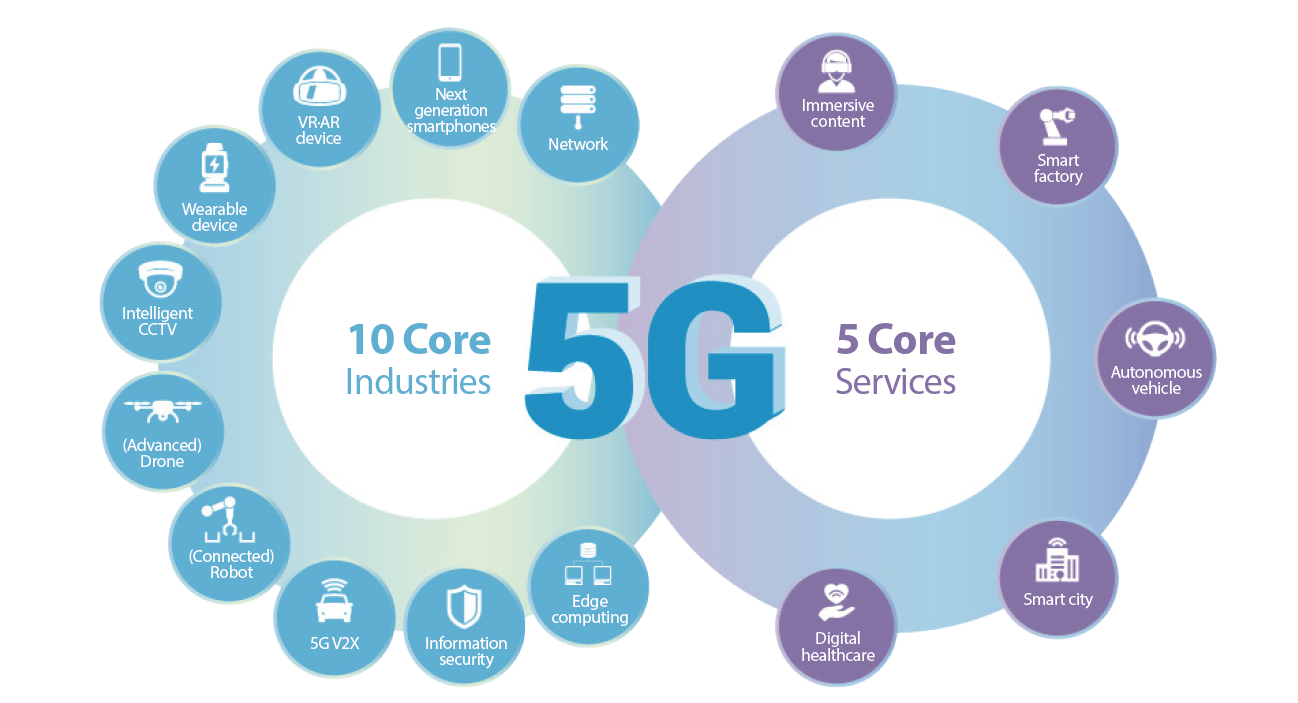
The 5G+ strategy aims to integrate 5G technology into 10 industries and 5 service sectors (Source: MSIT Korea)
In parallel, pioneering technology strategies such as the Quantum Computing Technology Development Program (2019) and the National Artificial Intelligence Strategy (2020) have strengthened South Korea's position in the global race for next-generation technologies.
Leading ICT conglomerates like Samsung, SK, or LG are acting as "acceleration engines," with Samsung committing to invest 356 billion USD over 5 years (from 2022) in semiconductors, biopharmaceuticals, and next-generation telecommunications, ushering in the "K-Tech" era – where Korean technology shapes global trends [9].
South Korea also ranks among the world's most advanced digital governments: in 2019, the country ranked 4th in the OECD for public service digitization, with the orientation of "government as a platform" – toward citizen-centered governance and increased transparency [9].
Regarding innovation spending, South Korea continues to affirm its position as a "R&D giant" of the world. Gross domestic expenditure on R&D (GERD) accounts for 4.9% of GDP – second only to Israel – with the business sector contributing 3.9% of GDP, nearly eight times that of higher education and public sectors [7].
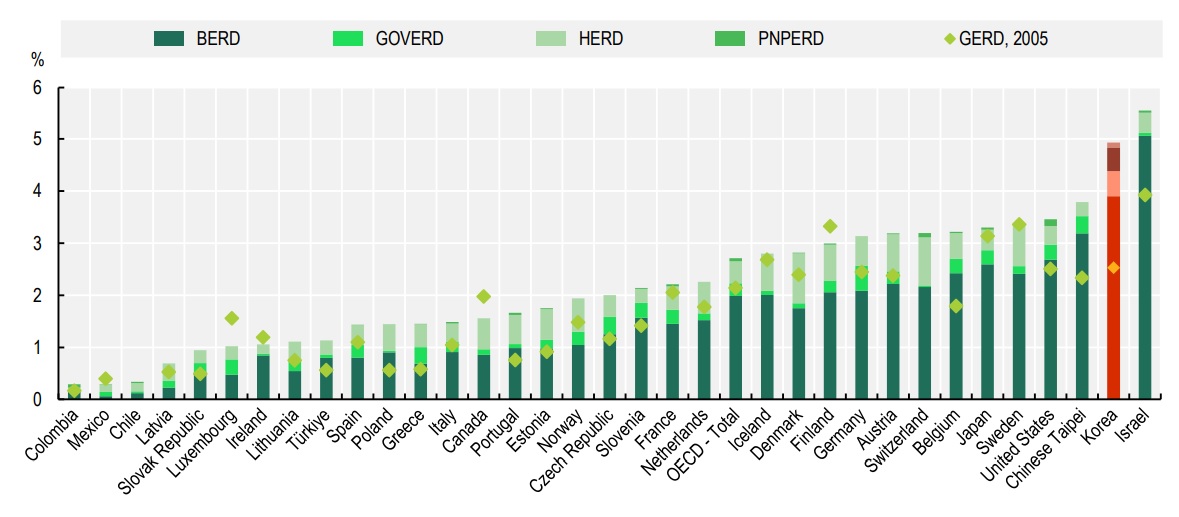
R&D expenditure in South Korea and some countries - 2021 (Source: OECD)
This investment level has nearly doubled compared to 2005 (2.5%), with an average growth rate of 4.1%/year, demonstrating the country's persistent commitment to "nurturing knowledge."
Not only investing heavily, South Korea also leads the world in research workforce density. With about 15 researchers per thousand workers, the country is in the top OECD group, surpassing many technology powerhouses like the US or Germany [7]. In particular,
2.5. Future orientation: sustainable, green, and service innovation
Entering the 2020s, South Korea's new Basic Plans focus not only on technology but also on social challenges and human development.
The 5th Basic Plan (2023 - 2027), announced in 2022, prioritizes global technology competition, supply chain security, digital transformation, climate change, and low birth rates – factors critical to the nation's future.
The plan identifies 12 key technology areas and 50 core technologies for priority investment, aiming to raise the proportion of scientific papers in the top 1% cited to 4.8% in the 2022 - 2026 period, compared to 3.53% in the previous period [7].
Notably, in 2023, the first 5-year R&D Investment Strategy was announced, helping to coordinate policies and R&D budgets more effectively, acting as a link between national strategic vision and implementation. The PACST Advisory Council plays an important role in this process – from review, orientation to result evaluation – ensuring South Korea's R&D policies are always linked and responsive to social needs [7].
Along with technology, green transformation and sustainable development are also strategic pillars. From the Framework Act on Low Carbon Green Growth (2010) to the Emissions Trading System (K-ETS), South Korea has laid a solid foundation for its commitment to carbon neutrality by 2050, with a goal to reduce emissions by 40% by 2030 compared to 2018.
Currently, 96.5% of the country's emissions are covered by carbon pricing policies, the highest in the G20 – surpassing Canada (88.2%) and Germany (88.1%) [19]. However, to achieve substantial carbon neutrality, the government still needs to balance economic growth, jobs, and clean energy, while promoting deep enterprise transformation [7].
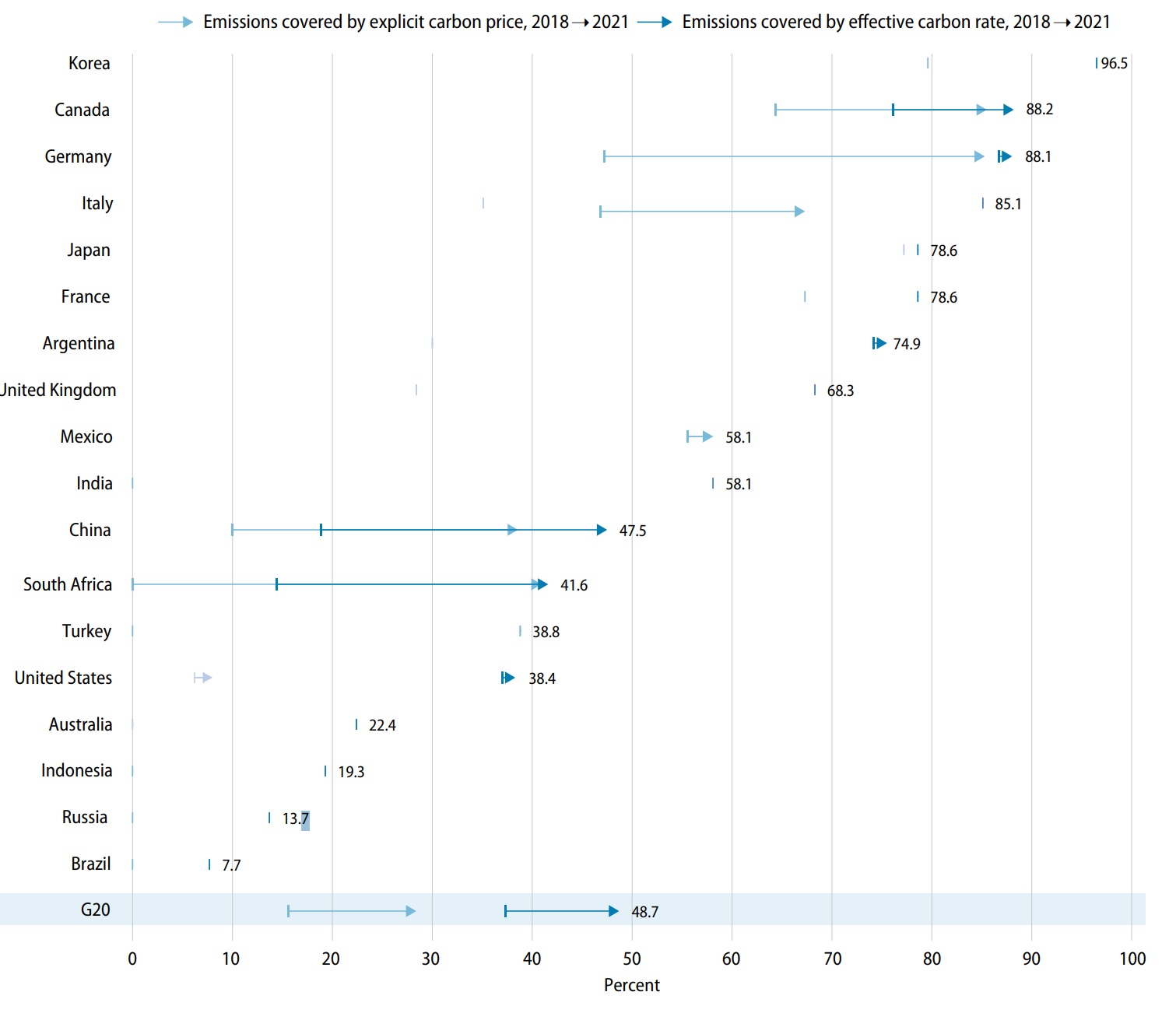
Emission coverage ratio, G20 economies, 2018-2021 period (Source: OECD)
Notably, South Korea is also expanding innovation into the service sector – an area considered a "lowland" in the innovation ecosystem. From 2019, the Ministry of Economy and Finance announced plans to increase financial support and tax incentives for the service sector on par with manufacturing, promoting R&D, standardization, and convergence between the two sectors.
In the same year, the Regulatory Sandbox model was launched, creating a "policy laboratory" for innovation in ICT, fintech, and services. This policy allows startups to test new business models in a relaxed regulatory environment – an important move to encourage innovation in a strictly regulated sector.
According to OECD, South Korea remains in the group of countries with the highest product market regulation (PMR), but these reforms are paving the way for a more flexible, friendly, and innovation-encouraging business environment than ever [7].
3. Open innovation in South Korea
3.1. From "closed labs" to shared infrastructure platforms
If previously, R&D investment in South Korea mainly focused on "buying new equipment," from 2008, the government shifted focus to "prioritize use – share – reuse." This change in mindset initiated a wave of opening up science and technology infrastructure, bringing the open innovation concept from policy into practice.
At the center of this reform is the ZEUS platform (Zone for Equipment Utilisation Service) – a "national common portal" allowing all researchers to search, book, and use R&D equipment across South Korea. Alongside ZEUS, four other supporting platforms were built for specific goals: strategic investment, engineer training, international cooperation, and research-infrastructure connection.
The result is a leap forward: the number of shared equipment usage cases increased from 2,008 (2013) to 128,112 (2021); the number of shared facilities for disadvantaged groups in R&D also rose from 52 (2011) to 438 (2021) [7].
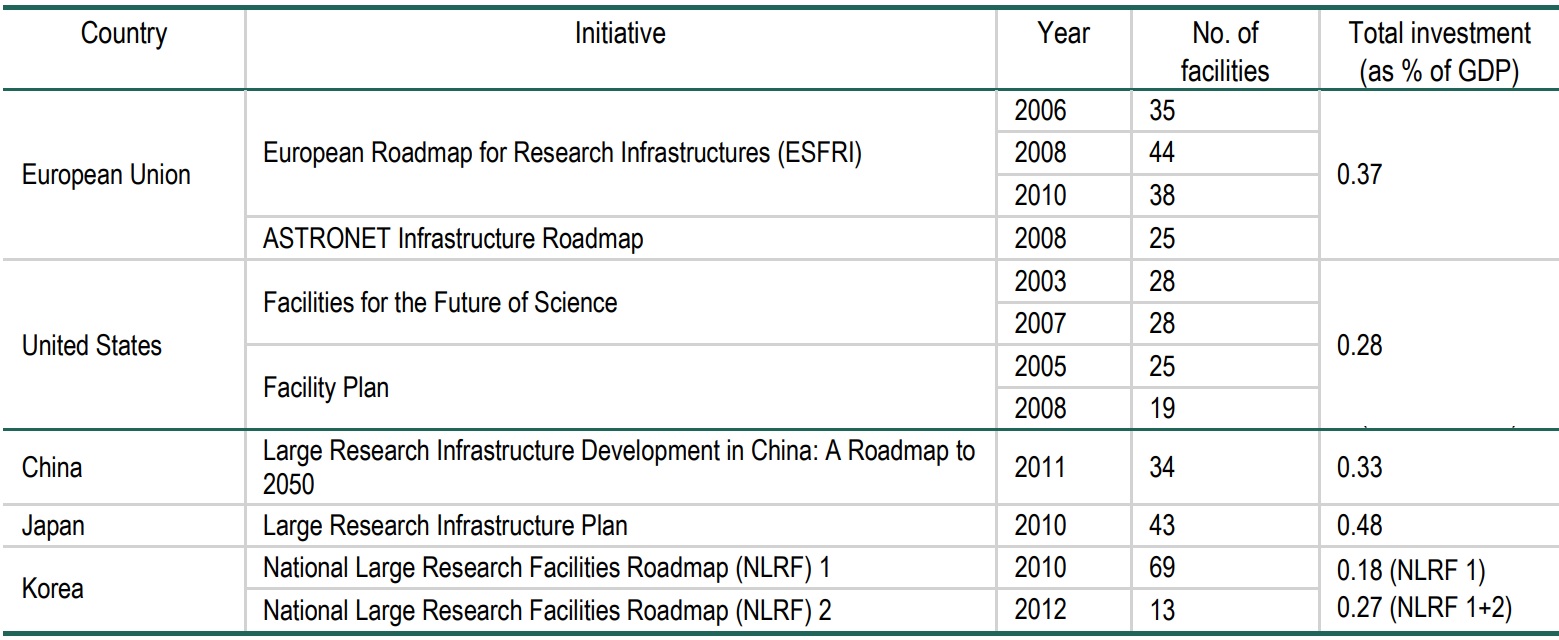
Comparison of South Korea's major national research facilities with selected benchmark initiatives (Source: OECD)
Thanks to this, South Korea has built a highly connected network of national research facilities, where every laboratory – from universities, research institutes to the private sector – is encouraged to share, cross-use, and reuse R&D resources. This model not only optimizes costs but also becomes the basis for international benchmark initiatives, reflecting the maturity of South Korea's science-technology ecosystem in the current period.
From seemingly dry numbers, we see a profound shift: South Korea has turned national research infrastructure into open assets, where knowledge is circulated, shared, and resonated.
3.2. University - enterprise: When knowledge no longer stays in the lecture hall
From 1963, South Korea early enacted the University-Industry Cooperation Law, laying the foundation for connecting knowledge with production. However, it took nearly four decades for the "flow" between academia and business to truly open up.
Before 2000, universities focused on teaching, lacking research resources; government research institutes (GRIs) were tightly managed administratively, almost isolated from the private sector.
The turning point came with two "revolutionary" laws: the Technology Transfer Promotion Act (2000) and the amended University-Industry Cooperation Law (2003), likened to the U.S. Bayh-Dole Act. These reforms allowed universities to own and commercialize faculty inventions, while establishing spin-off companies to bring research to market [41].
From there, technology licensing offices (TLOs) and university-industry cooperation funds (IUCFs) emerged at most public universities and institutes, turning technology transfer from a marginal activity into a strategic pillar.
The intersection between enterprises and universities has truly improved since the 2000s (Source: BambuUP)
Budget for commercialization also surged: from 0.7% (2007) to 7.1% (2020) of the government's total R&D spending. The two most recent Technology Transfer & Commercialization Promotion Plans (2017 - 2022) shifted from "lab inventions" to "building an open innovation ecosystem," putting market factors and small businesses at the policy center [7].
However, connecting universities with large conglomerates still faces challenges. Differences in goals – one side emphasizes academia, the other commercialization – along with limited cooperation history make it sometimes hard for the two sides to find common ground.
To overcome this barrier, the Ministry of SMEs and Startups has implemented an "innovation voucher" program worth about 46 million USD, allowing high-growth potential SMEs to receive vouchers up to 37,000 USD to hire technology experts from universities for research, consulting, and product development [42]. This policy is seen as a flexible bridge to "transfer knowledge" from academia to the market.
In addition, South Korea has encouraged the "innovation parks on university campus" model – where enterprises rent workspace right on campus at subsidized costs from the government [7]. This model not only helps businesses reduce operating costs but also creates geographic proximity and daily interactions between researchers and engineers – a factor considered a "physical catalyst" for ideas to quickly turn into products.
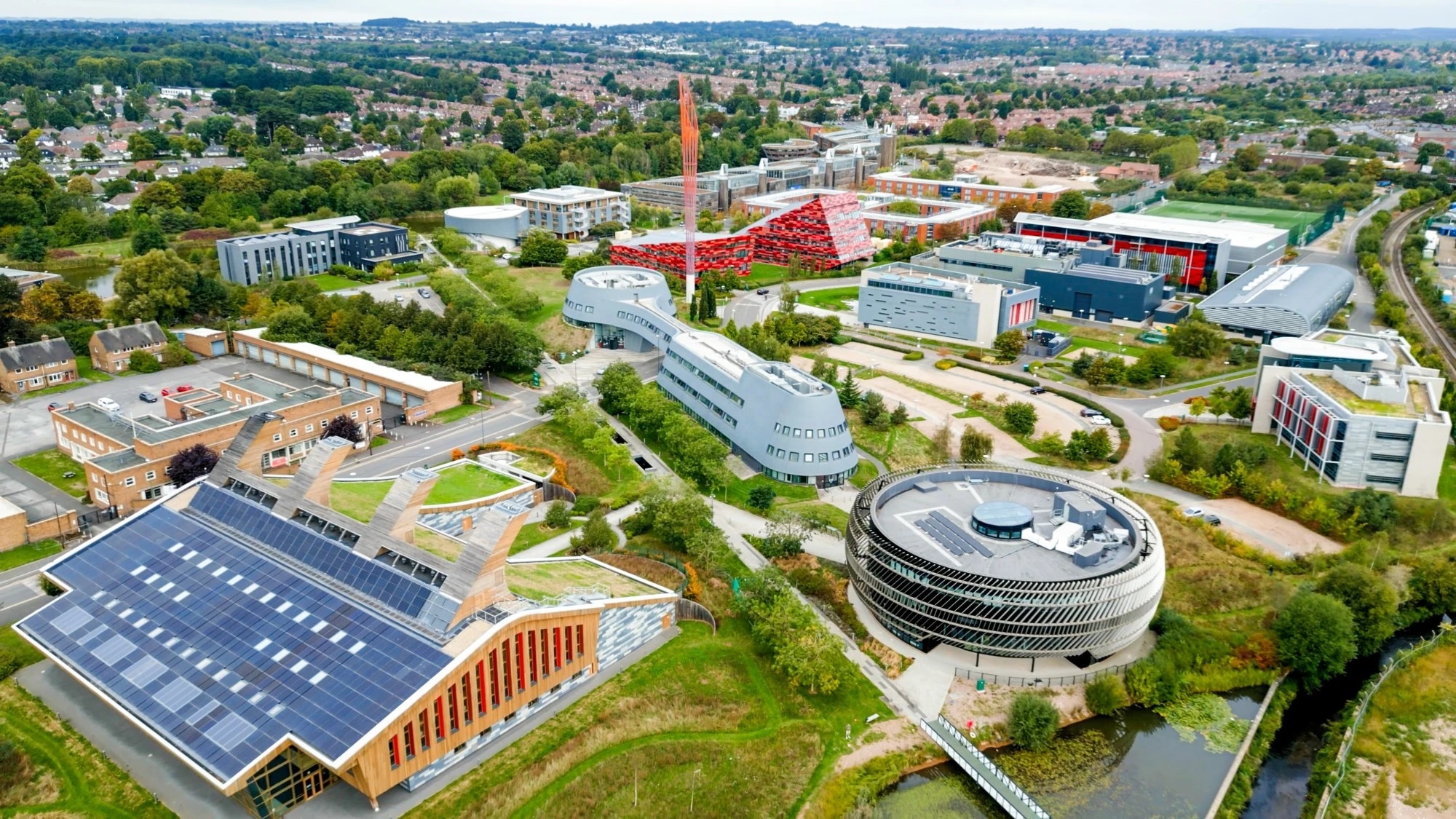
Enterprises are encouraged to rent workspace on university campuses (Source: Collected)
This can be seen as a "new generation step" in the knowledge-production connection strategy, bringing South Korea closer to the goal of comprehensive open innovation.
In parallel, entrepreneurial spirit in academia is also strongly promoted. Programs like the Tech Incubator Program for Start-up (TIPS) have helped many students and faculty start businesses successfully.
At the Korea Advanced Institute of Science and Technology (KAIST), the "K-School" program encourages students to dual-major in business-engineering to be ready to commercialize their inventions. Some schools even have policies supporting faculty to establish start-ups, creating a new "academic entrepreneurship wave" [7].
Government also builds online platforms helping SMEs search for suitable technologies developed by universities and GRIs [44], while expanding contract research models – where businesses directly assign topics to schools or institutes [45]. Currently, two-thirds of cooperation projects between GRIs and the private sector are contract projects [46], reflecting the trend of ordering research based on real needs rather than just relying on state budgets.
However, on the business side, there remains an "unwritten rule": collaborate with foreign universities for basic technology development, while domestic universities are often partners for applied research. As a result, the number of university-industry research centers (UIRCs) is growing rapidly, but most are still localized and short-term, focusing on incremental innovation rather than technological breakthroughs [7].
However, compared to leading nations like Israel or Singapore, South Korea's university-industry (U-I) cooperation policy is still classified as "developing."
While achieving much progress in legal and financial frameworks – such as supporting TLO establishment, IUCFs, grants for UIRC centers, and granting intellectual property (IP) rights to universities – the system still lacks depth in the "soft" layer. Activities like awareness raising, networking, or knowledge transfer skill training have not been invested adequately, while these are essential factors to turn academic knowledge into real value [47].
In particular, South Korea still has gaps in IP policy, cooperation information sharing mechanisms, and incentives for academic leaders, key factors to maintain and expand sustainable U-I cooperation [48].
3.3. Internationalizing the talent ecosystem: strong opening, but not enough "breath"
After succeeding in connecting domestic knowledge between universities and enterprises, South Korea quickly expanded its vision to the global talent space.
Because open innovation cannot exist without an open talent flow.
Recognizing this, the South Korean government has implemented a series of immigration and international talent development policies, aiming to attract, retain, and circulate global knowledge into the innovation ecosystem.
Programs like Brain Korea 21 (scholarships for international students), Global Korea Scholarship (full scholarships for undergraduate and graduate levels), or Gold Card Visa (long-term visas for high-tech workers) have created a solid foundation.
As a result, the international student ratio increased 80% in the 2010-2019 period, though still low compared to OECD average. Conversely, 3.4% of South Korean students study abroad – higher than Japan (0.9%) and the UK (1.8%), only lower than Germany (4%) and France (4.1%) [7].
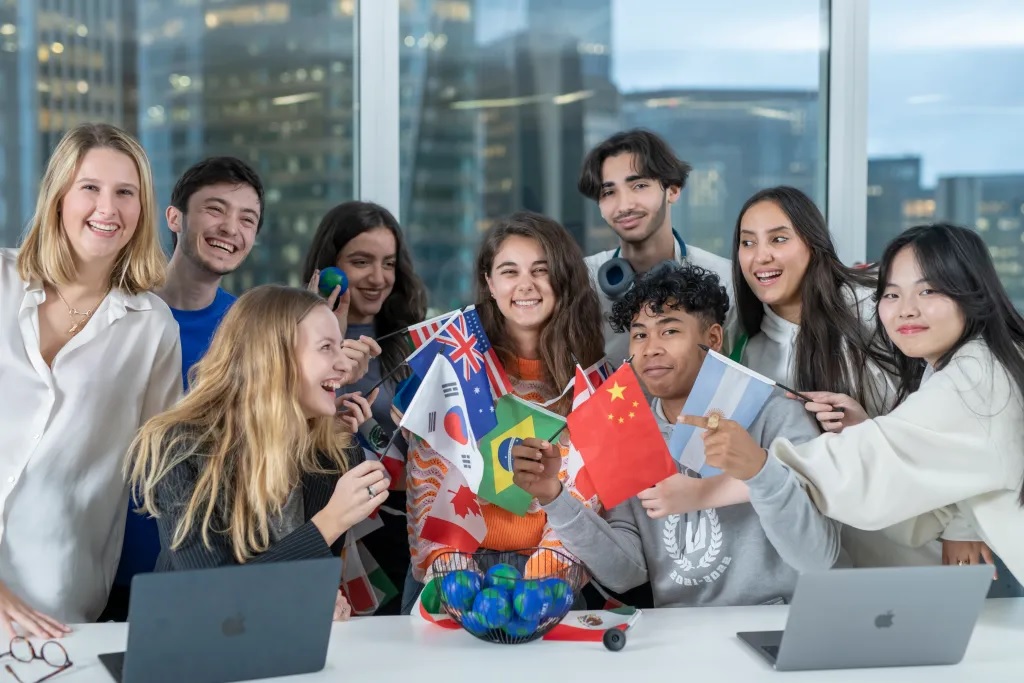
South Korea implements many programs to attract international students (Source: Collected)
Not only opening education, South Korea has also strongly restructured international labor policies.
From 2003, South Korea implemented the largest temporary work permit system in the OECD, while applying a point-based entry mechanism based on education, Korean language skills, and income. By 2008, the Ministry of Trade, Industry and Energy (MOTIE) launched the Contact Korea platform – a global recruitment service connecting SMEs with foreign labor. Many other initiatives like international job fairs, global expert contests, and startup support programs have been widely implemented [32].
Overall, South Korea has continuously adjusted its migration framework to become more friendly to foreigners. However, the talent integration journey is not yet complete: harsh working conditions, strict hierarchical culture, gender disparities, highly competitive job market, and closed social networks remain barriers making many international experts hesitant to commit long-term [33][34].
In other words, South Korea has opened its system, but still needs to open its society – creating a more open living, working, and connecting environment – to truly become a global destination for talent and open innovation.
The deep integration of knowledge, people, and technology is the foundation helping this nation enter a comprehensive innovation era, where ideas not only "flow" domestically but also spread across borders.
4. Startup ecosystem in South Korea: When innovation steps into the market
4.1. Government support and investment in startups
After building the innovation foundation in education and science, South Korea strongly shifts to promoting startups – seeing this as the final piece in the national innovation value chain.
The government plays a central role in designing a "multi-layered launch pad" – combining policy, finance, and social infrastructure. The Ministry of SMEs and Startups is the national coordinator, while other ministries and local governments like Seoul, Busan, or Daegu implement specialized programs, from business incubation, training, to networking events [7].
In 2022 alone, South Korea spent nearly 3.7 trillion KRW (including loans) on startup support programs. Besides R&D support and preferential loans, the government also invests heavily in entrepreneurship education, in-depth mentoring, and co-working spaces to form a "living ecosystem" for young entrepreneurs.
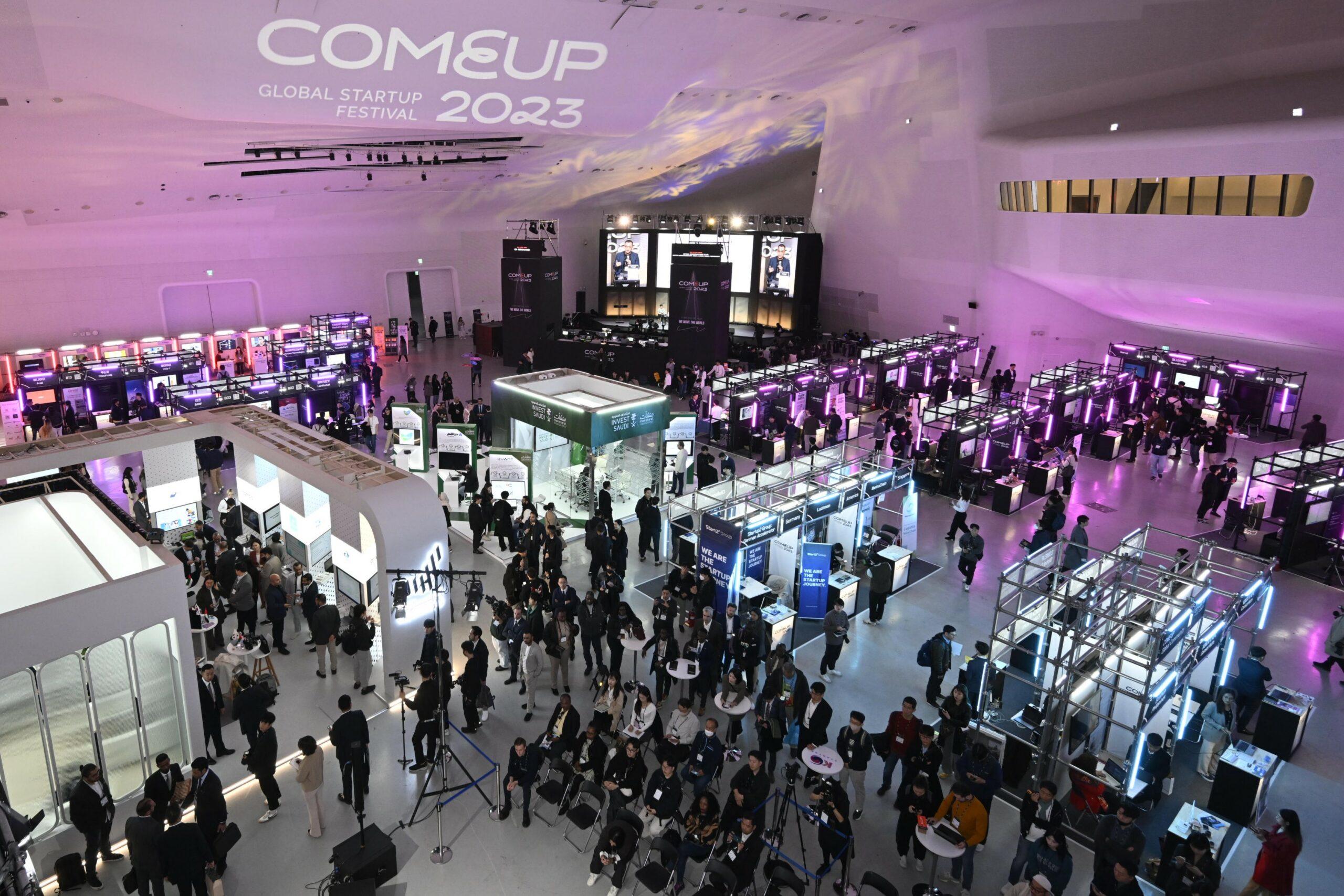
South Korean government promotes multi-layered entrepreneurship with many programs and supports (Source: Collected)
A highlight of this model is the National Linked Investment Fund – Korea Fund of Funds, operated by Korea Venture Investment Corporation (KVIC), with 4.52 trillion KRW in accumulated capital as of 2019. The fund allows the government to activate private investment through matching mechanisms, ensuring each public capital pulls in corresponding social resources.
The TIPS program (Tech Incubator Program for Start-ups) – launched from 2013 – is a typical example for the philosophy "government sets the framework – private sector selects people." Private accelerators invest 100 million KRW in potential startups, receiving additional 1.2 billion KRW from the government for R&D and commercialization. Upon success, the enterprise only repays 10% of the grant as royalties [35]. This model has helped thousands of tech startups overcome the "valley of death" and strongly attract domestic and foreign investment [7].
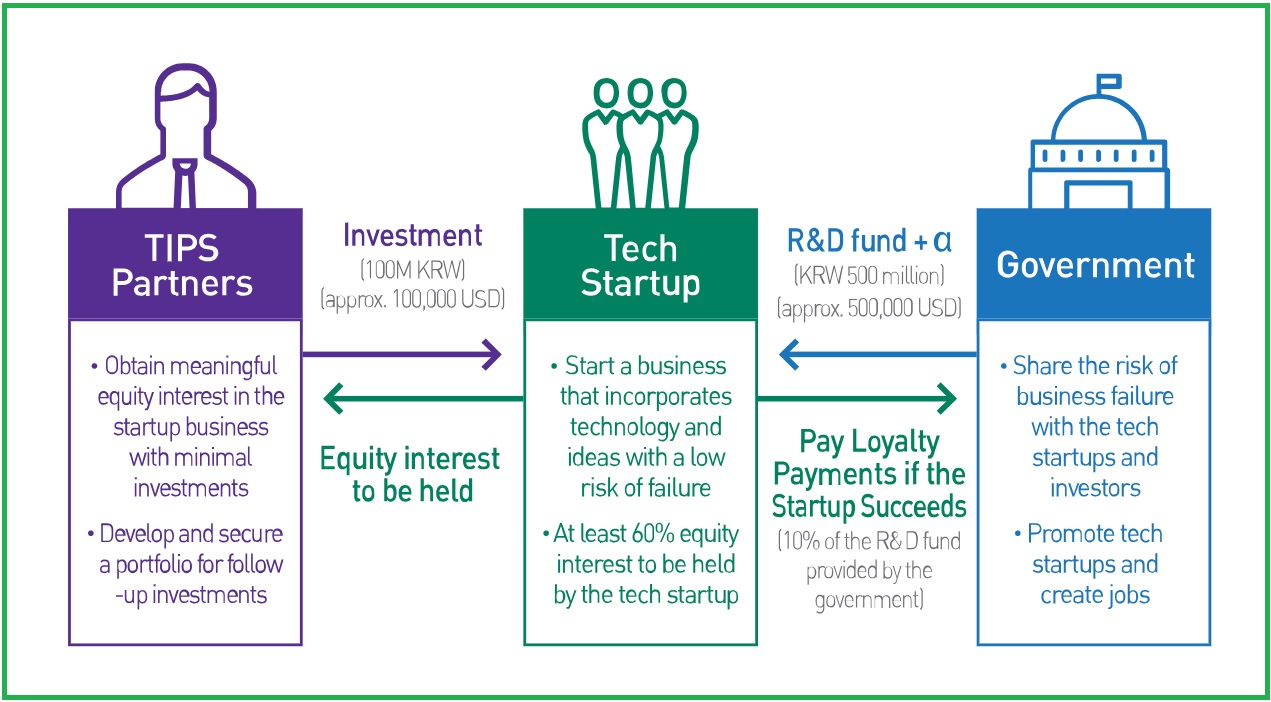
South Korea's TIPS program has invested in thousands of tech startups since 2013 (Source: TIPS)
4.2. Global connectivity - the missing piece of the startup ecosystem
If most of South Korea's innovation energy comes from internal forces – government, universities, and domestic enterprises – then global connectivity is the vital blood vessel missing for the startup ecosystem to truly "live" in the international space.
Despite forming a vibrant startup network, South Korea still faces two major bottlenecks: lack of diversity and weak global integration.
Most founders come from engineering backgrounds, while very few have foundations in business, humanities, or social sciences. The female founder ratio only accounts for 5-20%, and foreign entrepreneurs are almost negligible – only 0.3% [36].
This homogeneity causes startups to lack multi-dimensional perspectives – which is considered the "spark" of creativity and breakthroughs. Meanwhile, at leading startup hubs like Silicon Valley, nearly 50% of founders are immigrants [37][38], creating cultural vibrancy and global mindset that South Korea is still seeking.
The second gap lies in enterprise internationalization. According to the Startup Korea 2023 report – a study on the global integration level of South Korea's startup ecosystem – only 7% of South Korean startups expanded to international markets in 2022.
Meanwhile, Singapore and Israel, two world-leading startup nations, have this ratio at 90% and 80% respectively [39].

Only 7% of South Korean startups expanded to international markets (Source: Collected)
Many young enterprises express a desire to go global, but lack market knowledge, international workforce, and business model adaptability. Some even withdraw after trials, due to legal barriers, language, and customer culture [4].
To solve this puzzle, the government is expanding talent visa policies and the Global Startup Exchange program, helping South Korean entrepreneurs participate in training and market trials at centers like Singapore, Berlin, or Silicon Valley. At the same time, integrated innovation parks on university campuses are becoming international intersections between scientists, investors, and startups – where ideas can "collide with reality" and spread across borders [4].
From there, a comprehensive open innovation cycle is forming: knowledge originates from universities, enterprises commercialize through startups, and global talent supplements creative energy, bringing South Korean innovation to the world.
From "government enabling" to "society co-creating," South Korea is step by step perfecting a comprehensive open innovation model, consolidating its position as one of Asia's most dynamic startup centers and a model for transitioning nations in the innovation era.
5. Future challenges of innovation in ‘The Land of Kimchi’
5.1. Regional disparities and balancing initiatives
South Korea's strong development in science-technology comes with increasingly evident regional gaps, especially between the capital area (Seoul, Gyeonggi, Incheon) and the rest of the country.
Currently, 64.5% of R&D organizations – including universities, public research institutes, and enterprises – are concentrated in the capital region; 69.8% of national R&D investment also flows here.
Meanwhile, the remaining 15 provinces and cities each account for less than 3% of total investment [10].
Recognizing the risk of this imbalance, the government has implemented a series of policies to redistribute innovation capabilities, expanding research infrastructure outside the center. Some notable initiatives include:
- 4 "innopolises" – special R&D zones to promote development and commercialization of new technologies;
- 12 "innotowns" launched in 2019, focusing on technology transfer from universities and research institutes to local enterprises, stimulating innovation in underdeveloped regions.

South Korea enacts policies to redistribute R&D resources to reduce regional disparities (Source: Collected)
In addition, the government has made "Regional Balanced Development" one of the three pillars of Korean New Deal 2.0 [7]. This policy not only aims to reduce disparities but also expects to expand the innovation network nationwide, helping localities leverage knowledge, technology, and talent in a harmonious development model – "each region as an innovation pole."
5.2. Aging population and workforce puzzle - long-term challenge for innovation
If regional imbalance is a spatial issue, population aging is a temporal challenge – a trend that could shape the entire future of South Korea's innovation.
The nation's innovation system once benefited from a young, highly educated workforce, but is entering a strong transition phase: by 2050, South Korea will have the second-highest old-age dependency ratio in the world [11], with over 1/3 of the population over 65 and half the workforce over 50 [22].
The rapid aging rate projects South Korea to have the lowest GDP growth in the OECD for 2030–2060, only 0.8%/year [22].
In parallel, the concentration of young talent in major cities exacerbates opportunity inequalities. The elderly and low-skilled workers – especially in rural areas – are increasingly left behind. Educational disparities are also notable: the 25–34 age group has 70% with university degrees, while the 55–64 group has only 25%, the largest gap in the entire OECD [12].
This skill gap makes SMEs – which account for most South Korean enterprises – struggle to attract talent, reducing innovation capacity compared to large conglomerates.
A deeper cause lies in the seniority-based management culture. Many employees are forced to retire early around age 50 ("honorary retirement") and shift to low-productivity service jobs [23]. The result is disrupted knowledge and experience, while society lacks lifelong learning mechanisms to retrain the older workforce.
Facing this situation, South Korea has expanded talent immigration frameworks, but results remain limited. Although international students (mainly from East Asian countries) increased 91% in 2010-2019, they only account for 2% of total students [7]. In the workforce, foreigners account for only 3.7%, mostly unskilled labor from China.
The government has strived to restructure immigration policies – applying point-based systems allowing skilled workers long-term settlement, shortening permanent residency processes, and implementing special visa programs for tech experts. However, cultural and institutional barriers – like harsh work environments, gender inequality, competitive job markets, entry regulations for children, and closed social networks – still make most foreigners choose to leave after short periods [16][17].
In addition, administrative complexity with about 170 different visa types [18] continues to reduce system flexibility.
If exploited more effectively, the high-quality talent immigration flow could become a new innovation energy source for South Korea – not only compensating for the shrinking workforce but also bringing global mindset, risk tolerance, and knowledge diffusion – core factors for a sustainable innovation economy in the 21st century.
5.3. Social inequality, regulations, and sustainability
Gender inequality and enterprise gaps
Gender equality in South Korea has improved markedly: the female labor force participation rate rose from 4.8% in 2000 to 56.3% in 2024 [13]. Most women work in the service sector – a lower-productivity area – and only 21% of R&D personnel are female [7].
To address this, the Basic Plan for Science, Technology, and Innovation (issued in 5-year cycles since 2004) has integrated "gender innovation" elements, aiming to increase female ratios in research and engineering [7].
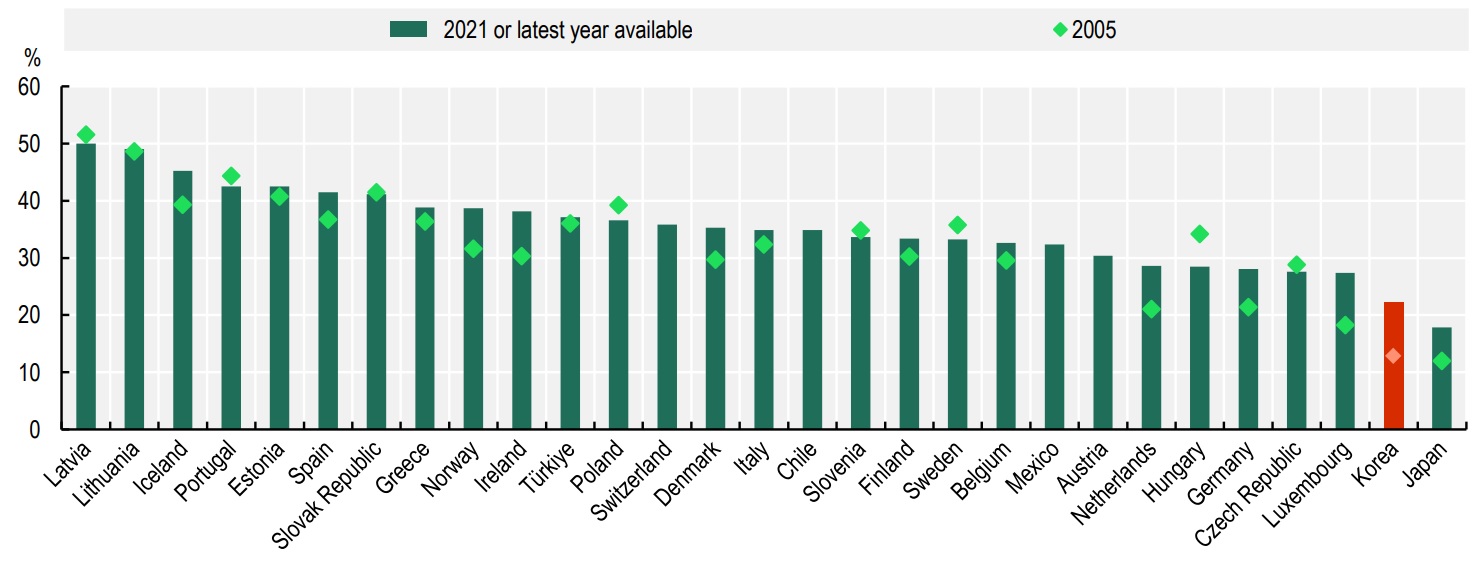
Though progressed, South Korea still ranks second from the bottom in the OECD for female ratios in R&D in 2021 (Source: OECD)
In parallel, inequality between large enterprises and SMEs remains an "invisible barrier" in the innovation ecosystem. Though 83% of South Korean workers are at SMEs, their productivity is only 26% of large conglomerates [7]. Meanwhile, the top four chaebols (Samsung, Hyundai Motor, SK, LG) account for 48.5% of total revenue of the 71 largest conglomerates [15].
This gap is largely due to SMEs' slow digital transformation, lack of tech skills, and difficulty accessing talent – which is often drawn to conglomerates by superior benefits. The government has started promoting lifelong learning policies, supporting retraining and digital skill enhancement for the workforce, but the scale remains limited [7].
Sustainability and green capabilities – from commitment to implementation
In the private sector, sustainability and social responsibility are becoming prominent trends.
From 2015, South Korea implemented the Emissions Trading System (K-ETS) – one of the first in Asia – helping improve carbon productivity in the three largest emitting industries [20].
By 2021, 13 enterprises, including SK Hynix and LG Energy Solution, joined the Renewable Energy 100 (RE100) campaign - a voluntary initiative gathering over 300 global enterprises committing to 100% renewable energy for operations [7].
South Korean conglomerates also emerge as global leaders in electric vehicle battery and green material technologies.
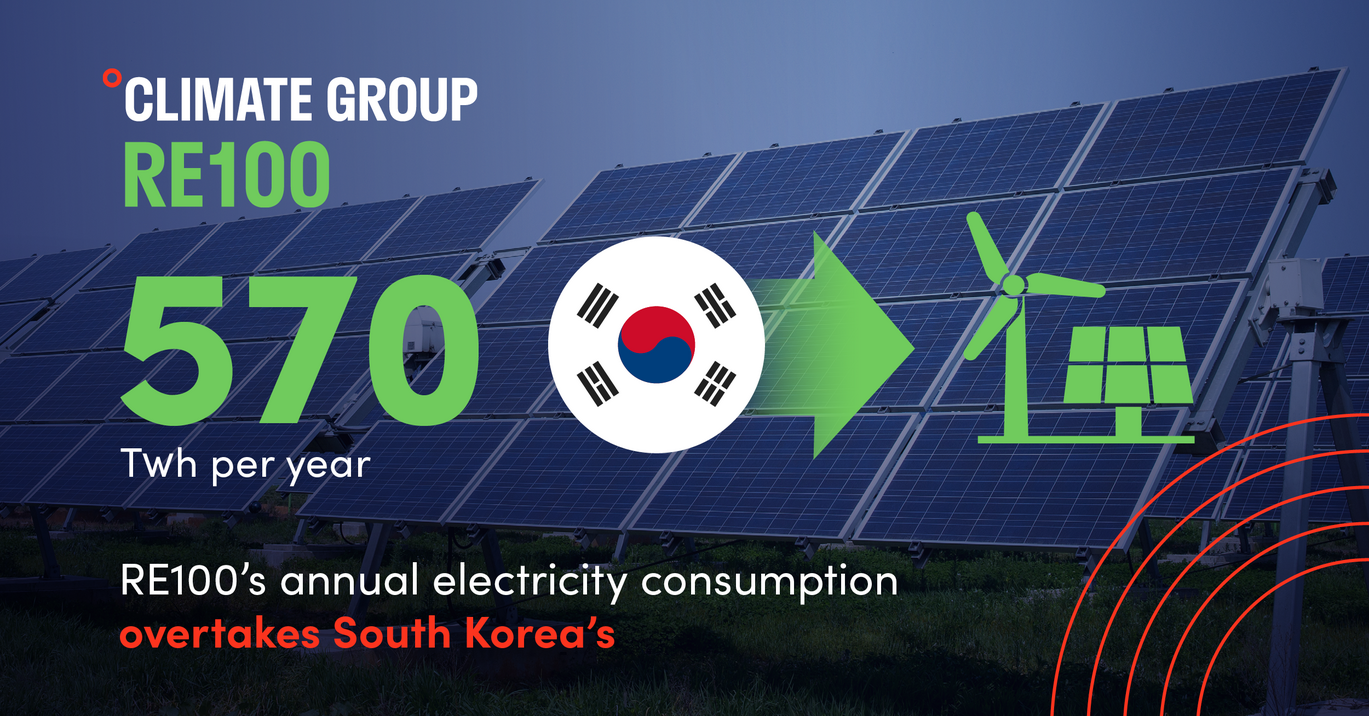
RE100 members will shift 570 TWh of electricity/year to renewables by 2050 - exceeding South Korea's annual electricity consumption (Source: RE100)
However, challenges remain significant: South Korea's CO₂ emission intensity per GDP unit is higher than the OECD average and continued to rise until 2018, making the risk of border carbon taxes from major export markets evident [7]. Many enterprises also worry that too-fast emission reduction targets could affect competitiveness and jobs in the short term.
To shift from commitment to real capabilities, South Korea needs to expand green innovation incentives in SMEs, promoting clean technology diffusion rather than relying only on large conglomerates' pioneering roles.
Market regulations, R&D concentration, and institutional trust
Another long-term barrier lies in institutional structure and market regulations. South Korea remains in the group of OECD countries with the strictest product market regulations [21] – with price controls, trade restrictions, and complex administrative regulations. These barriers hinder digital technology diffusion, reduce market competition, especially making it hard for SMEs to innovate and expand.
Regarding R&D, South Korea leads in investment ratios, but over-concentrates on large conglomerates: 10 chaebols account for 47% of enterprise R&D spending, with the top four dominating growth [24][25]. This structure is both an advantage (financial autonomy, investment power) and a systemic risk, making the economy vulnerable if a "technology locomotive" fails - like the Nokia lesson in Finland.
Finally, low institutional trust is a hard-to-reach weakness. OECD notes that South Korea's policy-making process lacks transparency, consistency, inter-agency competition, and micromanagement in science-technology funding [31].
When social capital is weak and public trust is low, the innovation system – though strong in capital and technology – easily falls into a "conservative state," lacking space for experimentation and creative risks.
Conclusion
South Korea's innovation journey is evidence of a nation's strong rise, from a resource-poor economy to a technology powerhouse with world-leading conglomerates. From the "fast follower" model in the 20th century, South Korea has gradually shaped a "first mover" role in the 21st century – where innovation is not only a growth driver but also a pillar of national identity.
South Korea's success stems from the tight combination between government, enterprises, and academia – an Asian-characteristic innovation triangle, but operated with an open and global spirit. Policies on R&D, education, and knowledge transfer have created a dynamic ecosystem, where knowledge no longer stays in lecture halls, but naturally circulates between universities – enterprises – startups – investors.
However, innovation after maturity is another challenge. When technology, capital, and infrastructure have reached maturity, human and institutional factors become new limits. Concentration in the capital area, aging population, generational gaps, gender inequality, rigid regulations, and low social trust – all are "soft knots" that could hinder South Korea if not untied.
To continue leading, South Korea needs to enter the second-generation innovation phase – not just innovating technology, but innovating how to create innovation:
- Build an inclusive innovation network, where knowledge and opportunities are evenly distributed between centers and localities.
- Develop an open talent economy, encouraging diversity in gender, professions, nationalities, and mindsets.
- Restructure a flexible institutional system, reducing administrative intervention, empowering creativity and entrepreneurship.
- Make sustainability and social responsibility standards for all innovation activities – from research to commercialization.
If the 20th century was when South Korea "caught up with the world," the 21st century is when this country shapes the global innovation future – not just by speed, but by knowledge depth, social inclusivity, and green vision for humanity.
That will be the “Miracle on the Han River” of a new generation.
-----------------
Phượng Lê.
If your business is seeking the right resources and connections to enter the Korean market effectively, it’s time to connect with BambuUP!
As a program designed to build and strengthen the capacity of promising startups in Hanoi that are ready to scale, Viet Startup INTERChange 2025 - organized by the Hanoi Center for Investment, Trade and Enterprise Promotion (SCE) and implemented by BambuUP in collaboration with AIT Vietnam - will bring 30 pioneering startups to South Korea to:
✅ Experience Korea’s startup ecosystem: Gain firsthand insights into how global startups integrate and grow in one of Asia’s most dynamic innovation environments.
✅ Decode the local market and culture: Understand consumer trends, retail technology, and customer behavior to shape an effective business strategy.
✅ Connect with investors and startups: Learn about investment preferences, project selection criteria, and partnership opportunities with leading Korean venture funds.
✅ Explore breakthrough technologies: Discover cutting-edge innovations in AI, robotics, and clean energy - and how corporations collaborate with startups to drive breakthroughs.Interested businesses can register now to receive consultation and join the journey!


