
 One platform connecting startups, corporations, research institutions, regions and investors
 Southeast Asia Innovation Landscape 2026
 ESG Data-as-a-Service (DaaS) A game-changer for resource-constrained SMEs

Logistics Technology Contributes Greatly To The Economy Recovery
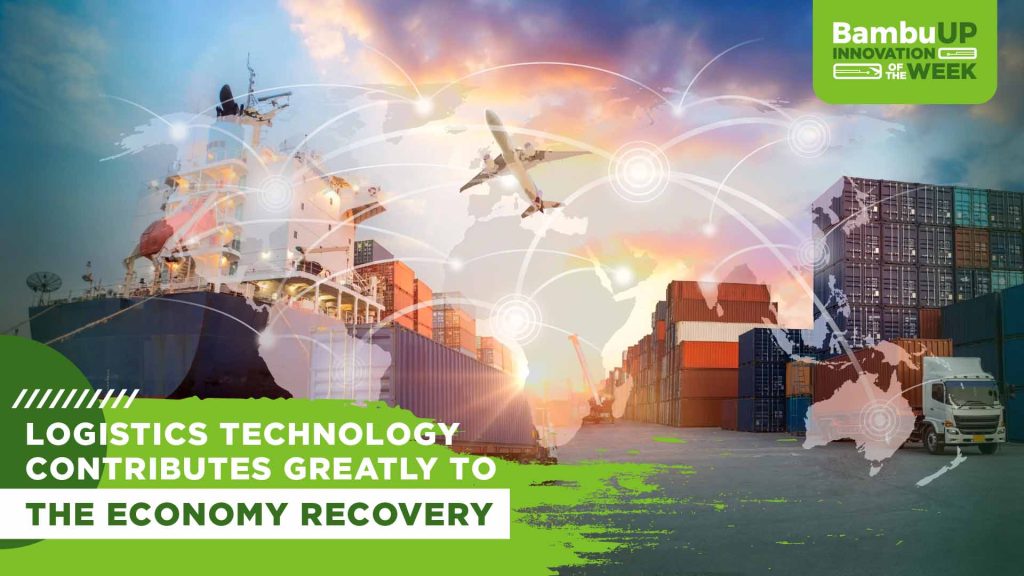
In the New Normal, the change of people’s consuming habits, along with the dramatic increase in trade between countries and regions around the world has boosted the demand for transportation, warehousing and ancillary services for the exchange of goods. Therefore, the role of Logistics and Supply Chain is becoming increasingly indispensable in the cycle of rehabilitating and developing the economy in the post-COVID-19 era.
Let’s go through the leading innovation trends in the Logistics & Supply Chain industry that contribute to promote the growth of the global economy:
1. Automation & technology applications
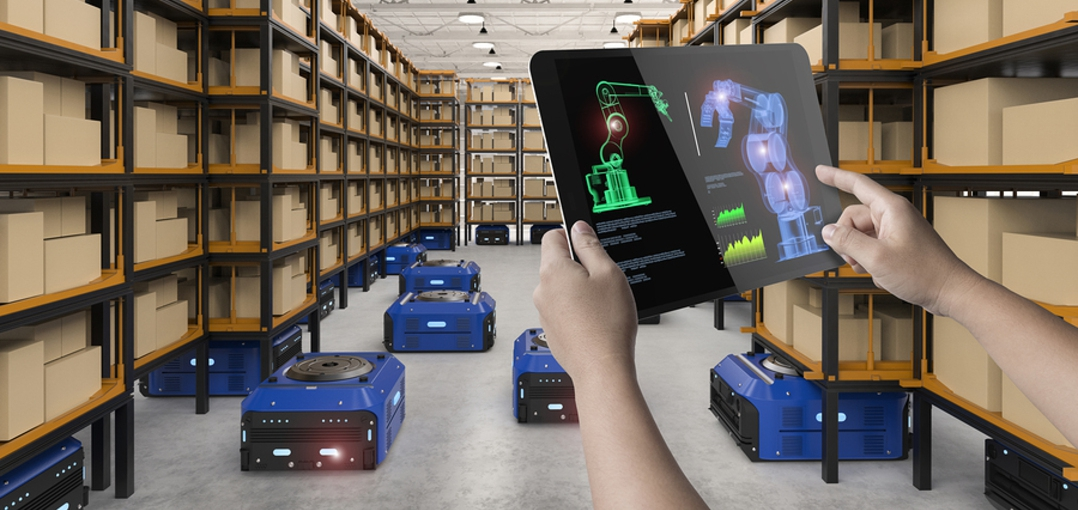
Automation in logistics is defined as the application of computer software or automatic machines and equipment to improve the efficiency of logistics activities. The increase of logistics activities and services makes the management of systems and information flows about products more complex. Therefore, automation and technology applications in logistics helps to improve the operating process and the connection among participants in the value chain.
This trend is forecasted to remain a key trend in the coming time. Actors throughout the supply value chain will prioritize improving operational efficiency by investing in technology. Technology makes operations more transparent, cost reduction, and resources optimization as well as enhances the customer experience.
2. Last-mile logistics/delivery

The pandemic is an opportunity and a driving force to accelerate the development of e-commerce and retail, and change consumers’ purchase behavior and expectations for online shopping. Consumers are more concerned and demanding about fast delivery, free shipping or competitive freight rates, and convenient “recall logistics”. Last-mile logistics solutions and services help sellers solve the problem of how to complete orders and deliver faster (within 3 hours, same day) with cost savings, simplification, and reduction of statistics and reports. Since then, last-mile logistics for e-commerce, food delivery, and fast-moving consumer goods have received much attention and welcomed more suppliers into the industry.
3. Warehousing market
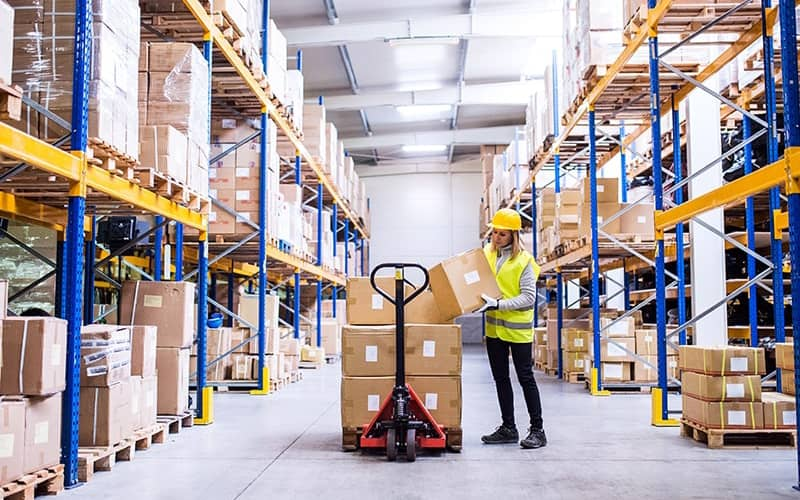
The circulation of goods from import and export goods to consumer goods, along with the development of e-commerce platforms will continue to create a growth trend for the industry. Besides, in parallel with transportation, warehousing is an indispensable infrastructure in the service supply chain of the industry with the prominent trend being the increasingly widespread development of logistics centers.
In particular, the projects of building cold storage for fresh and frozen foods, pharmaceuticals, cosmetics and vaccines have caught the attention of real estate investors, venture capital funds and even lenders due to a lack of supply in the market. According to Global Trade, another warehousing trend is micro-warehouse for common items. This model helps the last-mile logistics process faster and more efficiently in successful fast delivery.
4. Localizing the supply chain
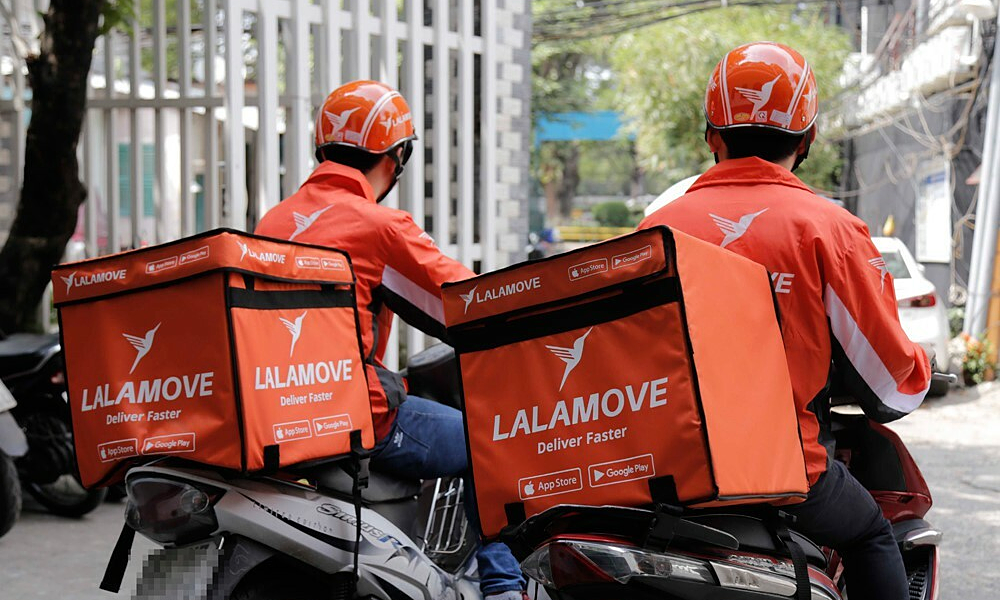
The change in consumers’ demands, along with the highly competitive market make the express delivery service have great expectations, simultaneously becoming a challenge for logistics corporates. Therefore, localizing the supply chain helps organizations continue to leverage multiple locations to fulfill orders and reduce time to delivery.
This method has a wide variety of benefits including the ability to use up local inventory when desired. On a local level, supply chain management, or SCM, will mean fulfilling orders from stores or urban fulfillment centers. This way, delivery can be done quickly and efficiently, boosting the customer experience and keeping up with the supply chain trends.
5. Green Logistic

The term “Green Logistics” is defined as supply chain management strategies and approaches that serve the purposes of reducing the energy and environmental impact of the goods distribution, simultaneously focusing on waste management, materials disposal, packing and shipping. The basic purpose of implementing Green Logistics is to develop and maintain a fresh air environment through the positive effect of balancing the use of energy.
In order to make the most of the opportunities, logistics service providers should focus more on fast-growing segments such as multimodal transport, logistics in e-commerce, cold chain logistics, etc. simultaneously cooperate more closely to ensure the goals of “greening” in accordance with international regulations and commitments as well as for their own sustainable development.