
 One platform connecting startups, corporations, research institutions, regions and investors
 Southeast Asia Innovation Landscape 2026
 ESG Data-as-a-Service (DaaS) A game-changer for resource-constrained SMEs

1. Technology overview
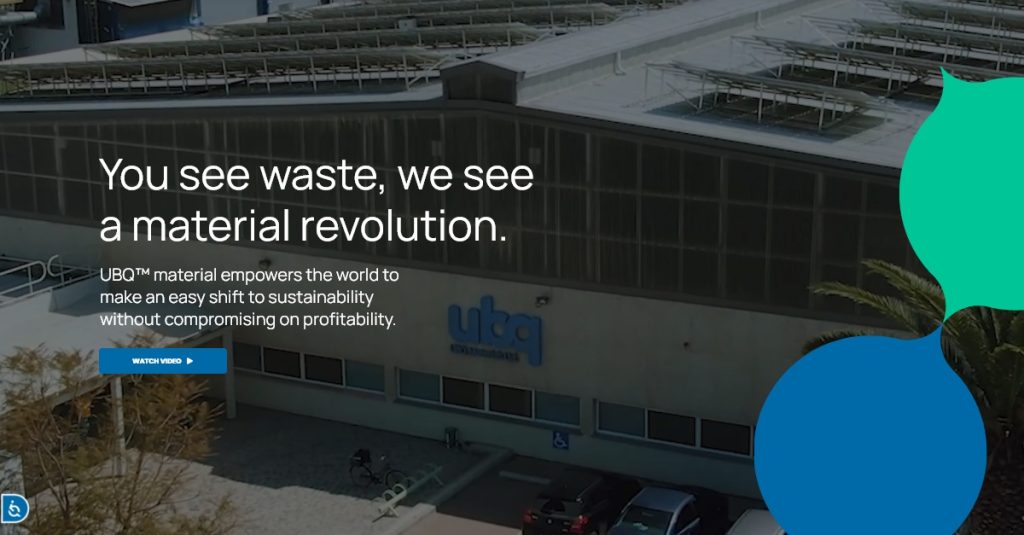
UBQ Materials, founded in Israel in 2012 by Yehuda Pearl, Jack (Tato) Bigio, and Eran Lev, developed a patented process that converts mixed household waste, including organic matter and hard-to-recycle plastics, into a bio-based thermoplastic material. The company’s original R&D facility operates from Kibbutz Tze’elim in Israel, and it opened its first full-scale production plant in Bergen op Zoom, the Netherlands, in 2024 with roughly 80,000 tonnes of annual capacity.
The resulting UBQ material is sold as a drop-in substitute for oil-based plastic, available as masterbatch pellets or industrial-grade compounds that manufacturers blend into existing production lines without new equipment. Customers span automotive, building and construction, consumer durables, logistics, and retail, with disclosed collaborations including Mercedes-Benz and McDonald’s.
2. Highlighted features & specifications
1. Waste-to-material process: Converts mixed household waste, including organics and hard-to-recycle plastics, into a solid thermoplastic.
2. Drop-in compatibility: Supplies masterbatch and compound formats that blend into existing plastic manufacturing lines.
3. Israel R&D base: Runs its original research and development facility from Kibbutz Tze'elim, Israel.
4. European production scale: Operates a full-scale plant in Bergen op Zoom, Netherlands, with about 80,000 tonnes of annual capacity.
5. Cross-industry use: Serves automotive, construction, consumer durables, logistics, and retail manufacturers.
6. Disclosed partnerships: Lists collaborations with brands including Mercedes-Benz and McDonald's.