📖 TABLE OF CONTENTS 📖
- 1. National policy: The strategic launchpad for Japan's AI rise
- 1.1. Building a flexible governance framework and AI ethics
- 1.2. The leap from soft incentives to clear legal frameworks
- 2. Japan's market competitiveness: Sustainable advantages in the AI era
- 2.1. Advanced digital infrastructure
- 2.2. Stable corporate culture
- 2.3. Top position in robotics and automation
- 2.4. Cultural creativity
- 2.5. Competitive salaries
- 3. Knowledge infrastructure: Human resources, research, and power from strategic Institutes
- 4. Dynamic market: When AI becomes a new economic driver
- 5. Accelerating the Future: The ecosystem of acceleration and global connections
Long known for its cautious approach to emerging technologies, Japan is now accelerating to become one of Asia’s leading AI hubs. Is it a clear national strategy, a strong industrial foundation, or a vibrant startup ecosystem that is powering Japan’s technological resurgence in the age of AI?
1. National policy: The strategic launchpad for Japan's AI rise
Japan has long stood out as a nation with a strong industrial and technological orientation, particularly under the guidance of the Ministry of Economy, Trade, and Industry (METI).
In the era of artificial intelligence (AI), this direction continues to shine as Japan emerges as one of the pioneering countries in building a national AI strategy - aimed not only at technological advancement but also at restructuring the entire economy and society [1].
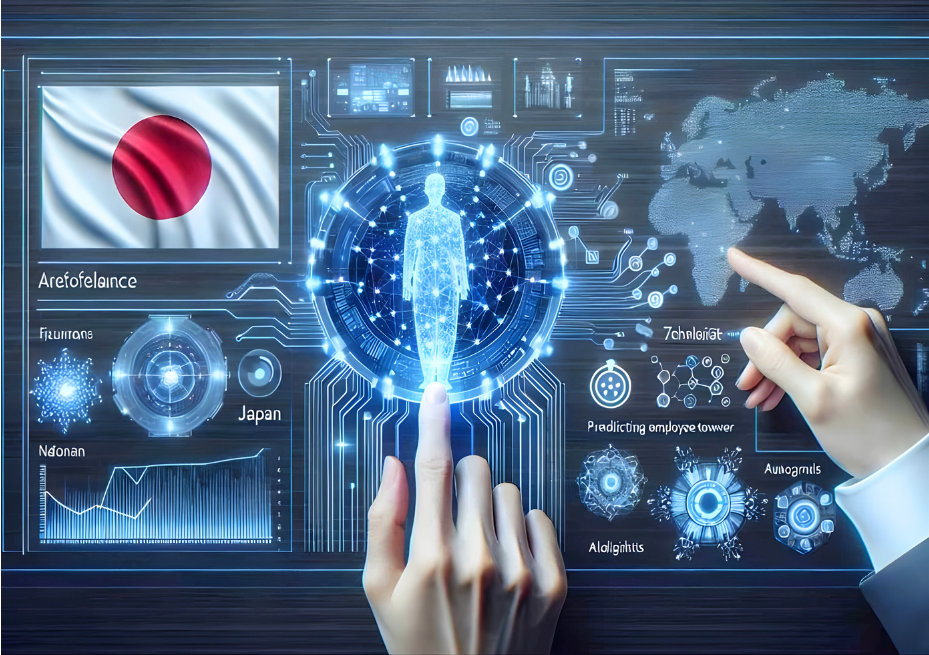
Japan is one of the pioneering countries in building a national AI strategy (Source: Internet)
1.1. Building a flexible governance framework and AI ethics
Japan's government began with the first AI Strategy in March 2017, following Prime Minister Shinzo Abe's directive, marking the official step of the government with this new technology wave.
After an initial implementation phase that was somewhat fragmented, the government established a dedicated advisory body and released the second strategy in June 2019, emphasizing human resource development and R&D capabilities. By April 2022, the strategy was updated with a new focus: accelerating the real-world deployment of AI systems in daily life and production [1].
Unlike many other countries, Japan has developed technology and ethical foundations in parallel - through guidelines issued by MIC and CAO (2017, 2019), as well as a human-centric AI Principles framework aligned with the OECD [1].
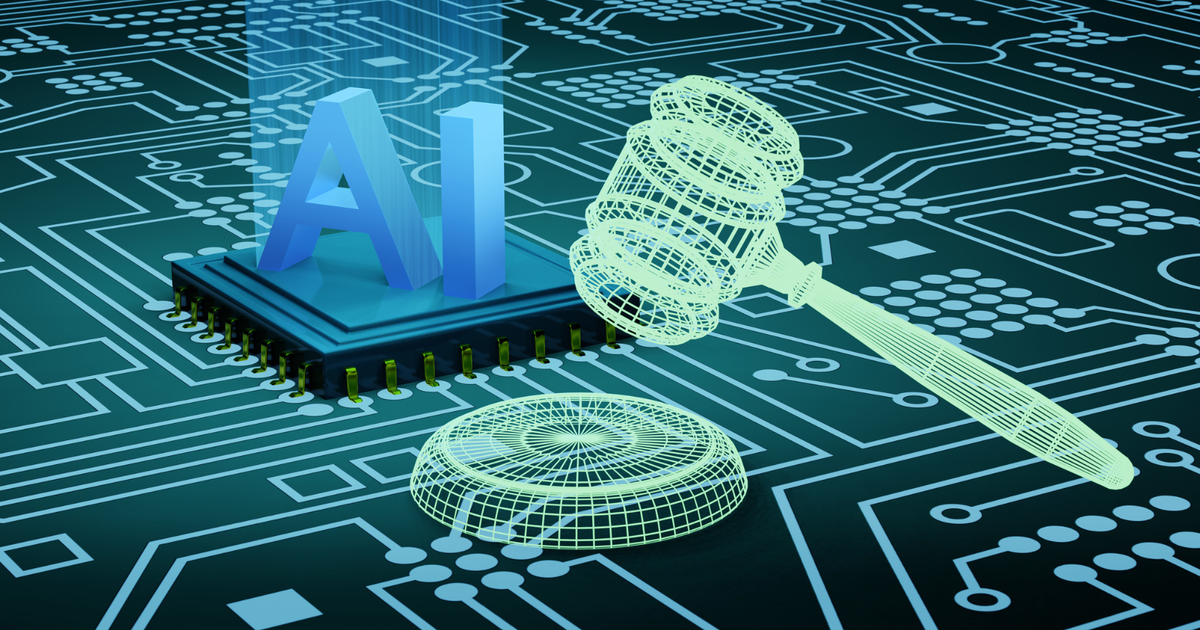
Japan emphasizes establishing an AI ethics foundation and governance framework from early on (Source: Internet)
After the OECD released its AI Principles, Japan adopted a “soft law” approach: encouraging companies to build their own governance frameworks instead of imposing rigid regulations. METI’s AI Governance Guidelines 1.1 (2022) marked a notable effort to enable flexible implementation while still ensuring ethics and social consensus [1].
1.2. The leap from soft incentives to clear legal frameworks
Aiming to make Japan the most AI-friendly country, at the end of 2025, the Japanese government passed the AI Promotion Act, marking a significant shift from a soft incentive model to an official legal framework [3]. This law not only supports testing and protects innovation but also promotes private investment and AI human resource development on a national scale.
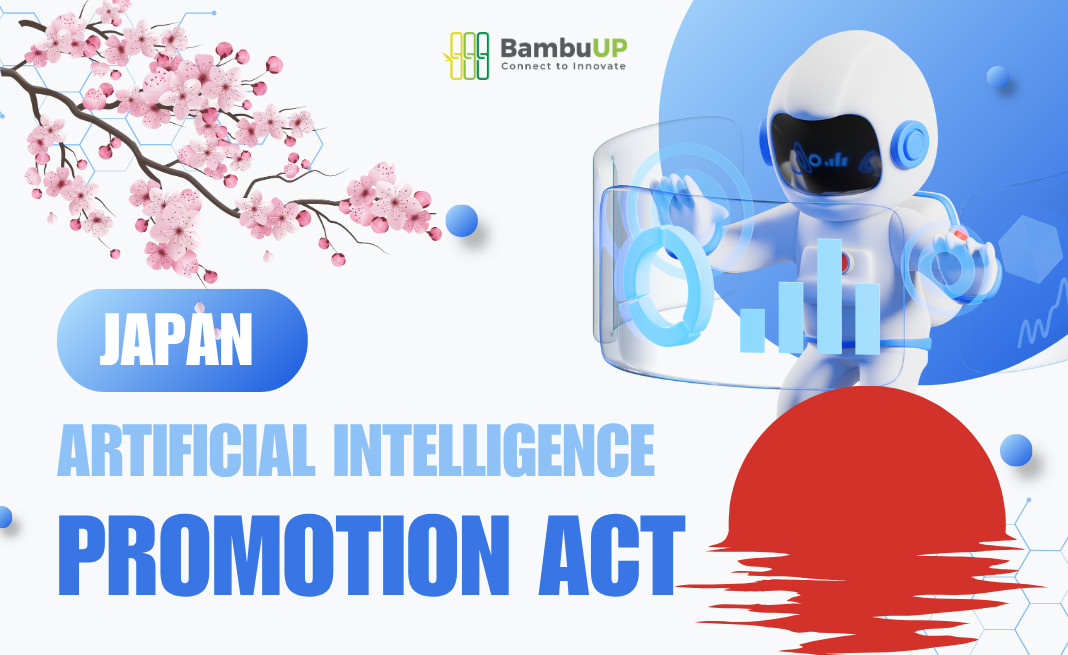
Japan passed the AI Promotion Act (Source: BambuUP)
In addition, Japan has invested over 10 trillion yen (about 65 billion USD) in AI and semiconductor technology - affirming the government's long-term vision for "technological self-reliance" and reducing dependence on external supply chains. The combination of AI and semiconductors is becoming a new pillar in the post-pandemic industrial reconstruction strategy and supply chain crisis [2].
In just under a decade, Japan has transformed from a cautious nation to a model of decisive action in AI. With clear strategies, strong investments, technology ethics as the foundation, and flexible governance approaches, the Land of the Rising Sun is emerging as a new AI development pole in Asia - standing shoulder to shoulder with China and South Korea in the global tech race.
2. Japan's market competitiveness: Sustainable advantages in the AI era
If national policy is the launchpad for AI, then infrastructure capabilities, corporate culture, and industrial strengths are the factors that Japan has been building to create an ideal environment for innovation centered around AI.
2.1. Advanced digital infrastructure
A robust digital infrastructure is a prerequisite for deploying artificial intelligence, and Japan currently ranks in the top 3 OECD countries for fiber optic ratio compared to overall broadband [4].
Nationwide high-speed and stable internet connectivity not only enhances the ability to handle large data but also paves the way for real-time AI applications in various fields such as autonomous vehicles, smart cities, and telemedicine [2].

Japan has high-speed and stable nationwide internet connectivity (Source: Internet)
At the same time, the wave of investment in modern data centers is accelerating. Global tech corporations like Microsoft, Google, and NVIDIA are building powerful computing infrastructure in Japan to serve specialized AI tasks - enabling domestic and foreign enterprises to access massive processing power without individual investment [2].
In particular, Japan's infrastructure is designed to adapt to harsh conditions like earthquakes or major storms - thanks to materials and risk mitigation technologies integrated from early on [5].
Thanks to this high stability and resilience, Japan can ensure continuous reliability for AI systems - crucial in fields like finance, healthcare, transportation, and security.
2.2. Stable corporate culture
Unlike many markets with high job-hopping rates, Japan boasts a corporate culture with high employee retention - a particular advantage in deploying new technologies like AI. With low turnover rates, enterprises can invest long-term in training and enhancing technology skills for employees without worrying about "brain drain" [2].
A distinctive point in Japan's approach to AI is the model of "human-machine collaboration" rather than complete replacement. AI is seen as a tool to support and expand creative capabilities, not compete with humans.
A typical example of this philosophy is the Human-Centered AI Institute established by the Hakuhodo DY Group in April 2024. Led by Masaya Mori - former head of AI at major consulting firms - the HCAI Institute aims to develop AI with a "sei-katsu-sha" philosophy (comprehensive human focus), collaborating closely with organizations inside and outside the group to bring AI into practice reliably, ethically, and efficiently [6].

Human-Centered AI Institute - Hakuhodo (Source: Internet)
2.3. Top position in robotics and automation
Accounting for up to 38% of global robot production, Japan affirms its position as the world's leading center in both industrial and service robots [2]. In 2023 alone, the country installed 46,000 new industrial robots - ranking second globally after China [7].
These impressive numbers not only reflect manufacturing strength but also show that Japan's application of robot technology in practice is continuing to accelerate in the AI era.
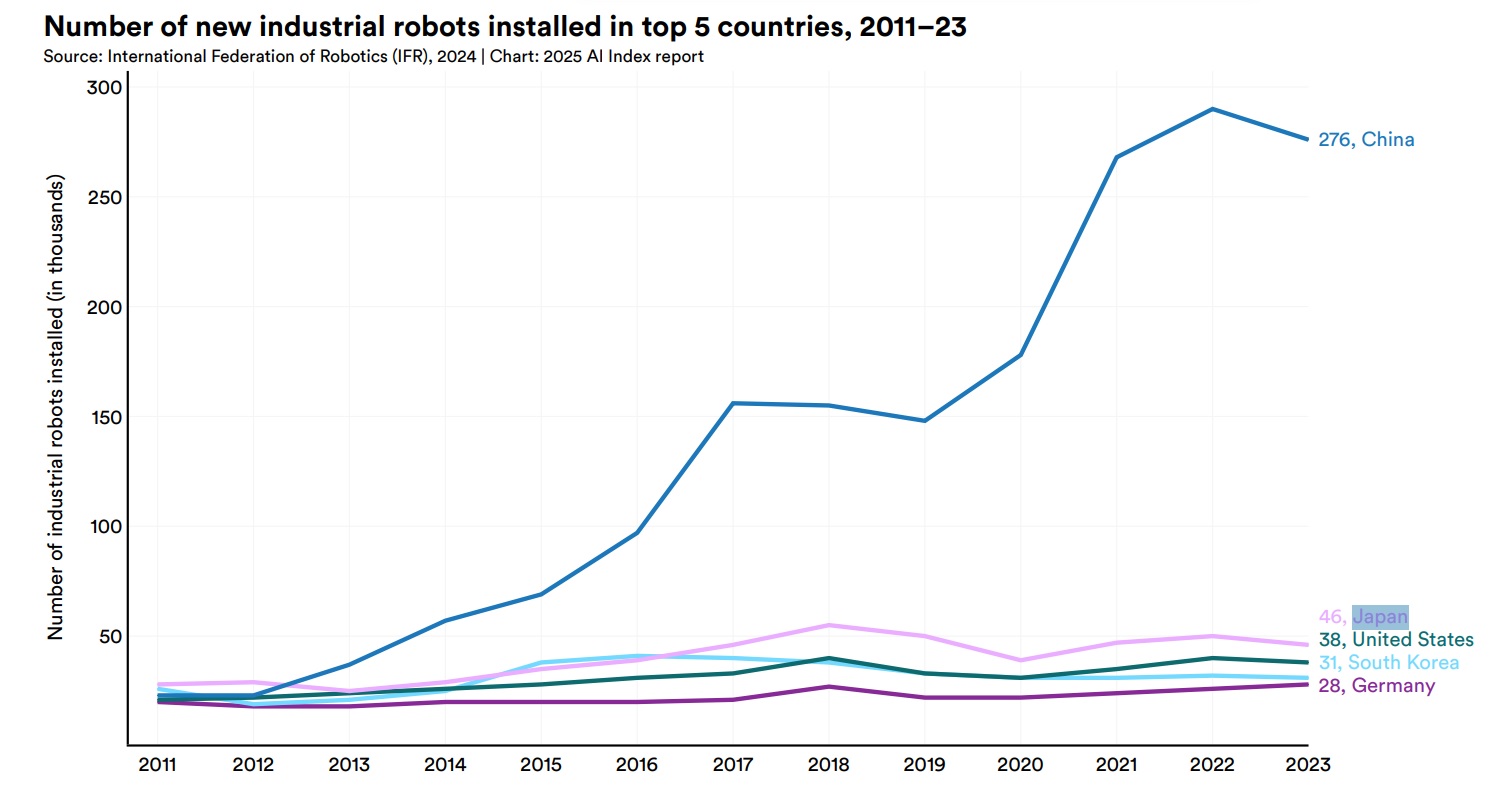
Japan ranks 2nd worldwide in the number of industrial robot installations in 2023 (Source: AI Index Report 2025)
Corporations like Omron, Fanuc, Yaskawa Electric, Preferred Networks, and SoftBank Robotics are leading in integrating AI into robot systems, creating a generation of smart machines capable of learning and interacting in real environments.
In manufacturing, Fanuc's AI-integrated robots have helped factories increase efficiency by 20-30% through predictive maintenance and self-learning capabilities [2]. In services, SoftBank's Pepper robot - equipped with conversational AI - is serving in stores, hospitals, and hotels with over 20,000 units deployed globally [2].
In addition, giants like Toyota are expanding the use of AI in autonomous mobility systems, laying the foundation for labor-substitution solutions and supporting autonomous industrial growth amid an aging population.
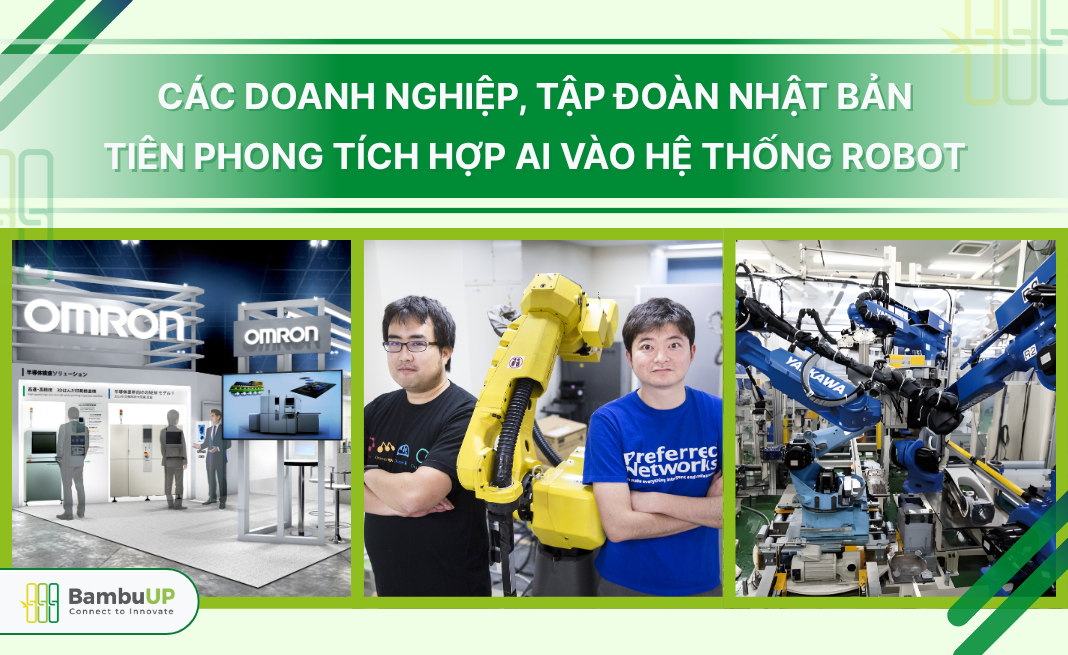
Major Japanese robot corporations are continuously researching ways to integrate AI into robots (Source: BambuUP)
2.4. Cultural creativity
Not only in heavy industry, AI has penetrated deeply into Japan's cultural entertainment industry - a sector worth over 50 billion USD with global influence. In recent years, AI - especially generative AI - has begun to profoundly change how cultural products are created, produced, and distributed.
Facing labor shortages in the anime industry and pressure to speed up production due to demands from streaming platforms, many studios have proactively applied AI to production processes. For example, Nagoya's K&K Design company reports that by applying AI to background processing and coloring, work that used to take a week now takes only a few minutes - providing a leap in efficiency while maintaining quality [8].
“We believe AI will improve the working environment without compromising creative quality,” shared director Hiroshi Kawakami.
AI not only boosts productivity but also opens up possibilities for improving labor conditions in an industry long known for low wages and grueling hours. A survey by the Nippon Anime & Film Culture Association (NAFCA) found that 38% of workers in the anime industry earn less than 200,000 yen per month (about 1,358 USD), and they work an average of 219 hours per month - around 30% higher than Japan’s overall labor average [8].
Delegating some technical tasks to AI will allow humans to focus on higher-value work such as scriptwriting and character design.

AI is becoming a new collaborative partner for Japan's cultural industry (Source: BambuUP)
In the gaming industry, major companies like Square Enix and Bandai Namco have integrated AI to upgrade NPC behavior, develop flexible storylines, and automatically generate game worlds using algorithms - saving millions of USD in annual costs [2]. Meanwhile, startups like En-dolphin are developing AI tools that can "learn" an illustrator's style from their old works, creating products with a unique touch from just rough sketches [8].
In the global distribution space, AI is also helping expand the reach of Japanese culture. The startup Orange has developed technology that accelerates manga translation by tenfold, targeting Spanish-speaking and Indian markets - both home to massive reader communities [8].
Given that only about 14,000 of Japan’s 700,000 manga titles have ever been translated into English, AI is expected to become the key that carries Japanese culture farther than ever before.
The Japanese government is also actively encouraging this trend. The Ministry of Economy, Trade, and Industry (METI) has issued guidelines for applying AI in the animation and gaming industries, while considering subsidies for enterprises using AI to solve labor issues [8].
2.5. Competitive salaries
One of the notable changes in Japan's AI and machine learning job market is increasingly competitive salaries. In East and South Asia, AI and machine learning engineers earn from 15,000 to 140,000 USD/year, depending on experience and location. Japan currently leads the region with salaries up to 113,000 USD [9] - on par with leading tech centers in the UK and Europe [2].
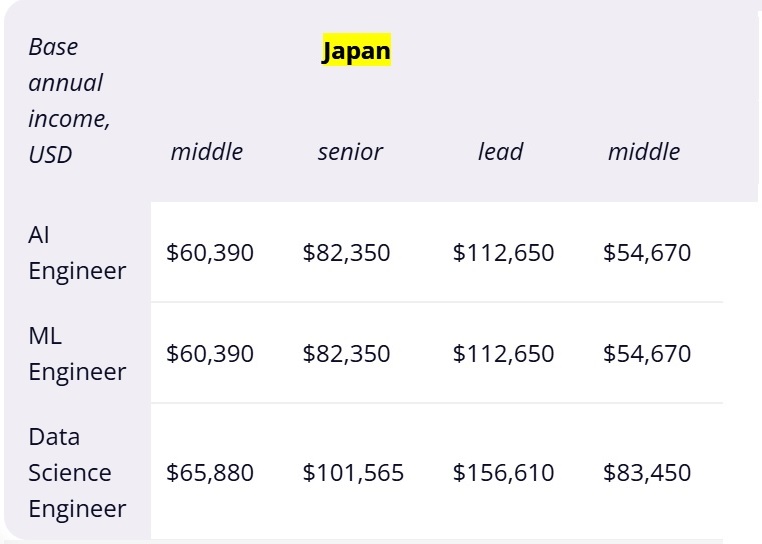
The AI and machine learning job market in Japan is increasingly competitive in salaries (Source: Internet)
International corporations like Google, Meta, Amazon, etc. often pay above average, accompanied by support for housing, visas, and attractive benefit packages. Richly funded startups like Sakana AI or Rist are also willing to compete to attract top talent.
A big plus is that living costs in Japan - especially outside Tokyo - are still 30-50% lower than in the UK and the US [10][11], creating an ideal environment for global tech professionals.
3. Knowledge infrastructure: Human resources, research, and power from strategic Institutes
Alongside solid policy and advanced technical infrastructure, the knowledge foundation - including high-quality human resources, in-depth research, and support from strategic institutes - is the third pillar providing sustainable strength for Japan's AI ecosystem.
According to the Human-Centered AI Institute - Stanford University's AI Index Report 2025, Japan ranks 5th globally in the number of AI patents granted per capita in 2023, with 4.58 patents per 100,000 people [3] - up 46% from the previous year (2.53) and surpassing European countries like Germany, the UK, and France [12].
This result reflects a strong increase in research and technological innovation activities in Japan, especially as more and more patents are commercialized through tech enterprises and startups.
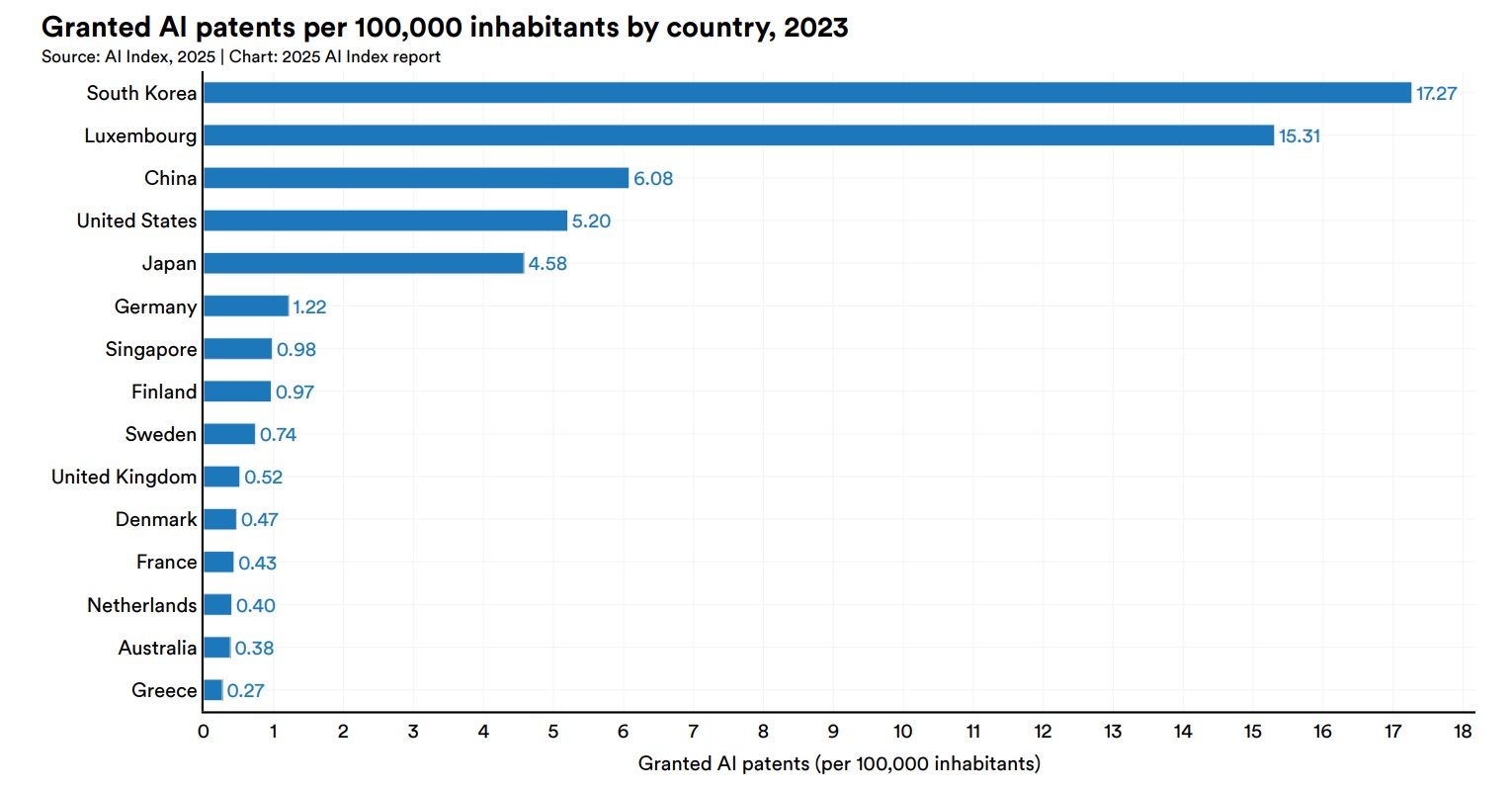
Japan ranks 5th globally in the number of AI patents granted per capita in 2023 (Source: AI Index Report 2025)
At the academic and research level, institutes like RIKEN AIP (Center for Advanced Intelligence Project) and NICT (National Institute of Information and Communications Technology) play leading roles. While RIKEN stands out with studies on deep learning, AI ethics, and public-private collaboration projects, NICT provides open data platforms and GPUs serving the nationwide AI research community [7].
This is the core "soft infrastructure" - a knowledge infrastructure platform that allows researchers to access computing resources and share data to shorten model development time.
To accelerate AI talent development, Japan is implementing many programs to support students and PhDs, notably the BOOST project (Next Generation AI Human Resource Development Project) initiated by the Ministry of Education, Culture, Sports, Science and Technology (MEXT) and the Japan Science and Technology Agency (JST) from 2024 [8]. This program funds living and research costs for PhDs working in next-generation AI fields, promoting innovation in the country's strategic areas.
Alongside these efforts, METI operates the MITOU IT program to identify and nurture technological talent - not only in AI but across the broader IT landscape - with a strong emphasis on the ability to turn innovative ideas into real-world solutions.

The MITOU Program in Japan (Source: MITOU)
Another distinctive initiative is the collaborative education model at Toyama KOSEN, where the technical college partners with companies like BizReach to recruit “part-time AI instructors” from the private sector. Professionals who are actively applying AI in real-world settings join the teaching force, giving students access to up-to-date and highly practical knowledge.
Toyama is also one of the few schools selected for Japan’s nationwide advanced AI education program, “Literacy Plus,” which expands early access to AI training for engineering students [8].
In 2019, the AI Japan R&D Network was officially established by three leading research institutes - AIST, RIKEN, and NICT - to enhance connections between universities, public institutes, and enterprises operating in AI [14].
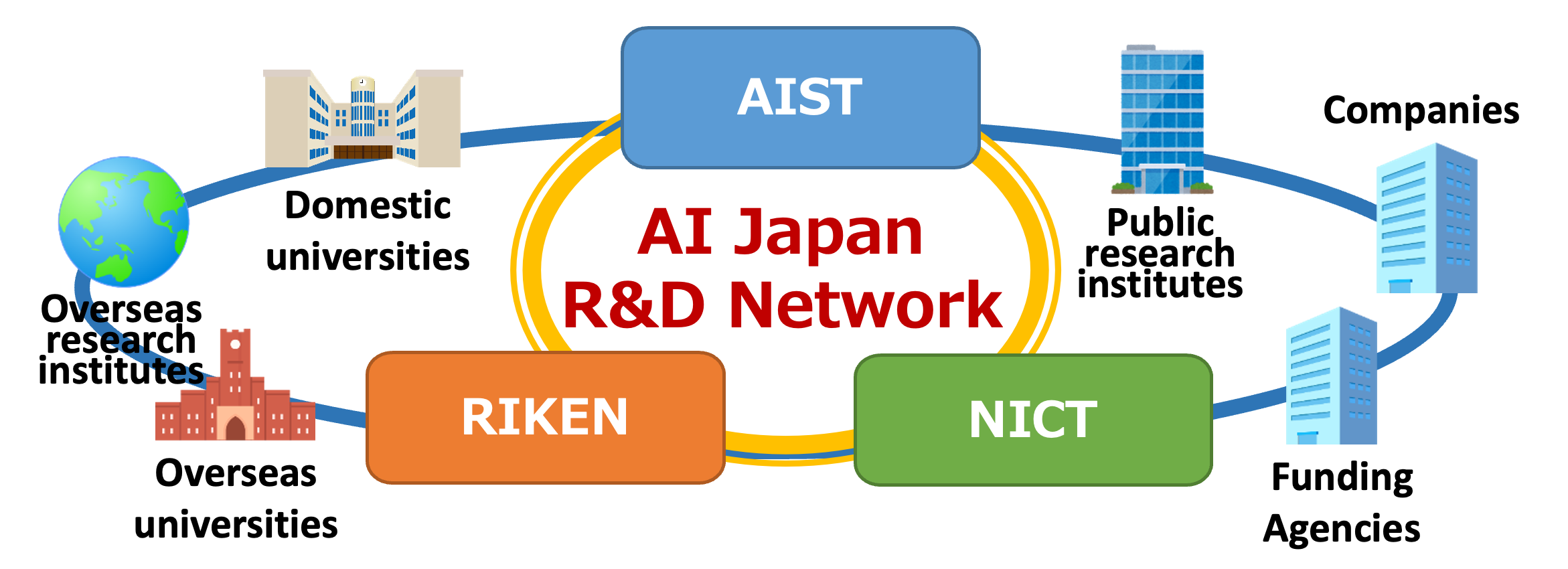
The AI Japan R&D Network connects Japan's AI ecosystem (Source: Internet)
As a “knowledge ecosystem,” AI Japan serves as a central hub for disseminating R&D information, promoting domestic and international collaboration, and connecting stakeholders with government support programs. After completing its initial phase under AIST’s sponsorship in 2023, the network has continued to operate as a voluntary organization, now backed by the participation of many private-sector companies [14].
This is evidence of a sustainable collaboration model between academic research and market application - a key factor in bringing AI initiatives out of the lab and closer to social life.
However, the challenge remains large. According to METI, Japan needs an additional 120,000 AI specialists before 2030 [15]. Currently, only 3.6% of the world's top AI talent is working in Japan, while the figure in the US exceeds 50%.
To solve this gap, Japan is not only retraining domestic STEM engineers but also strengthening the attraction of international talent. The number of foreign engineers in the IT field has tripled in a decade, reaching 85,000 in 2024 [2] - reflecting efforts to build an attractive work environment and global openness for AI talent.
Overall, similar to South Korea, the "government - research institute - enterprise - startup" collaboration model is creating a "co-development" AI ecosystem in the Land of Cherry Blossoms. In it, knowledge is not confined to labs but transformed into real applications and products - where AI is not just technology but a strategic driver for national competitiveness.
4. Dynamic market: When AI becomes a new economic driver
After laying the foundation with national strategy and advanced technology infrastructure, Japan is witnessing the explosion of a vibrant AI market, where startups, corporations, investors, and the creative community converge.
It’s impossible not to mention pioneering companies such as Preferred Networks - the homegrown “unicorn” behind the deep learning framework Chainer, launched as early as 2014 - and ABEJA, a trailblazer in applying AI to retail and logistics. Sakana AI, a young but highly promising name, is currently attracting international AI experts to Tokyo, helping shape a global academic–technology environment [2].
The rise of these domestic players shows that a wave of innovation is surging from within Japan’s traditionally conservative industries.
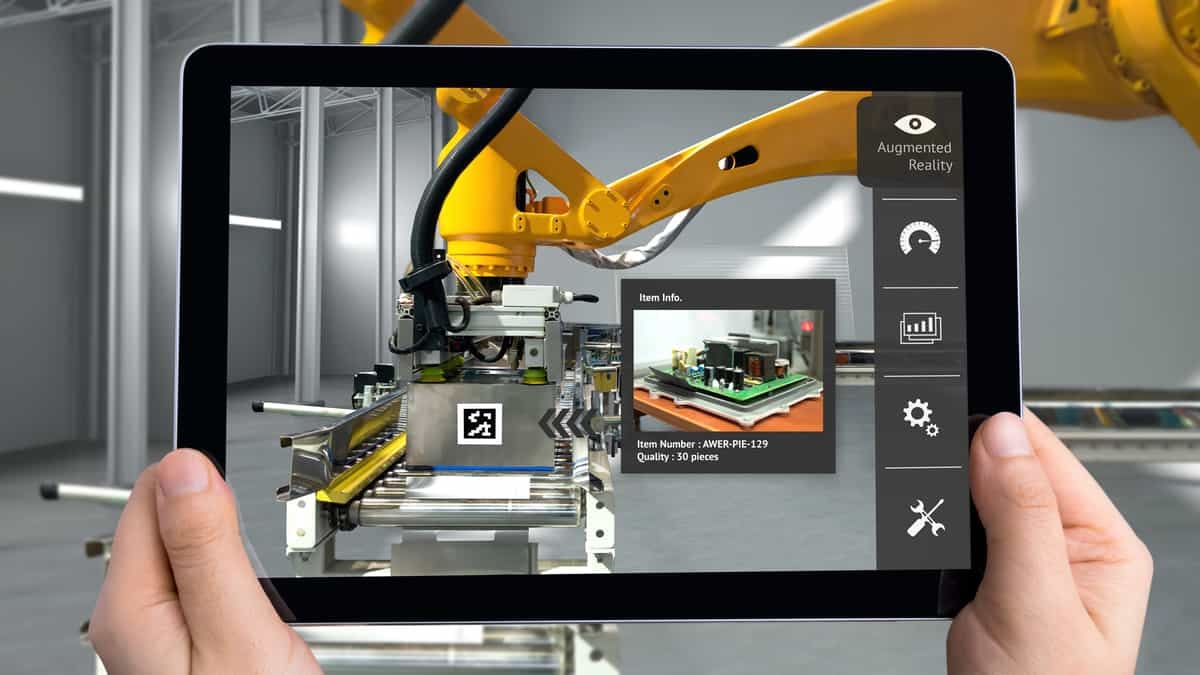
Domestic enterprises are gradually rising in the heart of Japan's traditional industries (Source: Internet)
Meanwhile, venture capital investment in AI is exploding. In 2022, Japanese startups successfully raised a total of 877.4 billion yen (about 6.5 billion USD) - the highest level ever [16]. The government aims to raise total venture investment to 10,000 billion yen by 2028, with AI as one of the priority fields. As a result, Japan currently ranks in the top 13 countries with the largest private investment in AI worldwide [3].
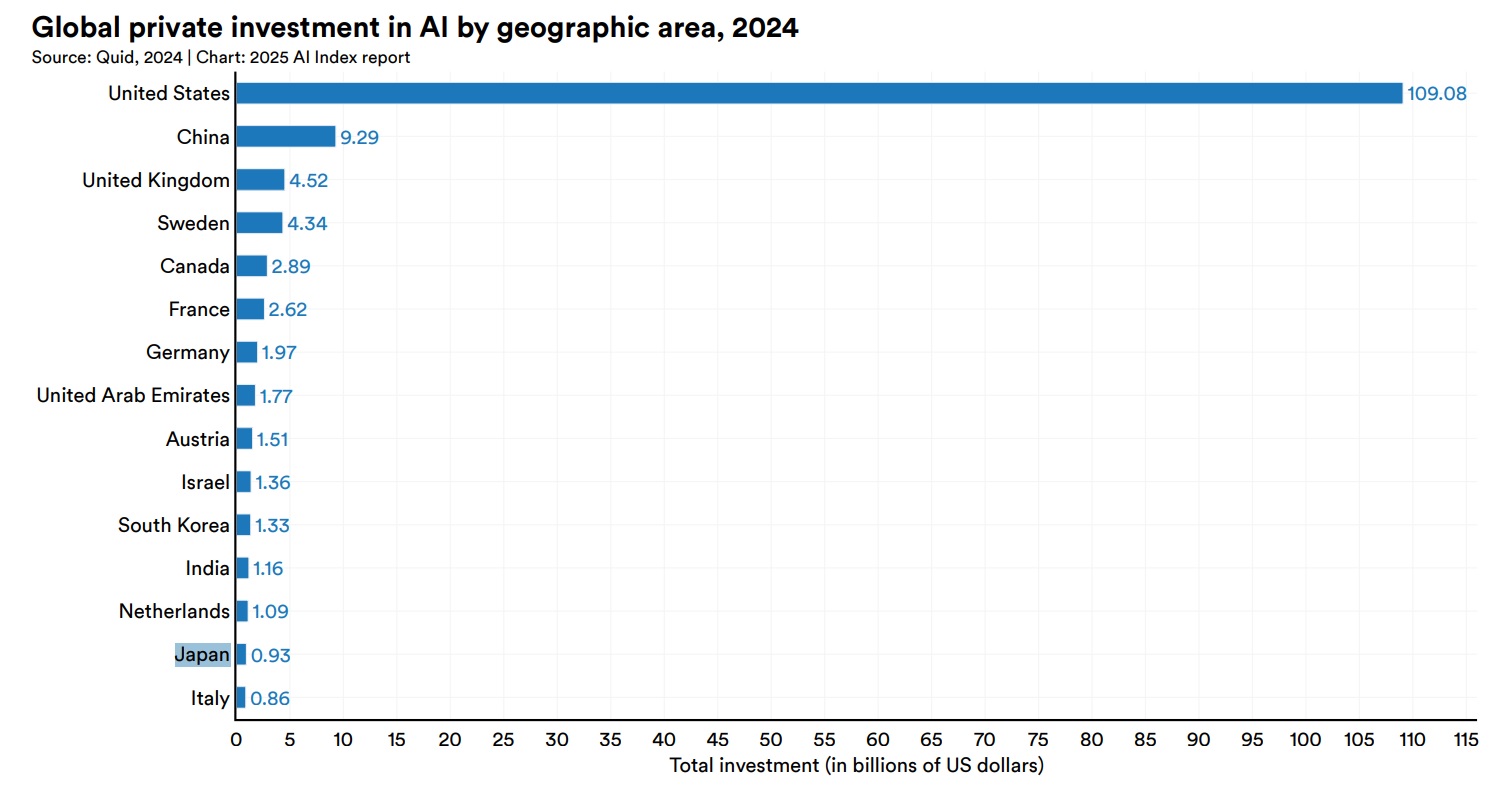
Japan ranks in the top 13 countries with the largest private investment in AI worldwide (Source: AI Index Report 2025)
Not just a tool, AI is becoming a new lever for Japan's economic growth, predicted to contribute an additional 736 billion USD to national productivity before 2030 [2]. In the context of aging population and labor shortages, AI is gradually becoming the "new labor force" integrated into every corner of the economy.
The vibrant AI market is also shown through the chain of specialized events in Tokyo - gathering thousands of researchers, experts, and entrepreneurs each year.
Notable is AI EXPO TOKYO - the largest trade exhibition on artificial intelligence technology in Japan, where leading AI companies introduce technologies and solutions to various industries [16]. The event focuses on fields such as AI for manufacturing and industry, intelligent robots, AI chips, large language models (LLM), enterprise solutions, and cybersecurity.
In the entertainment field, the annual Tokyo Game Show 2025 marks a new step with the launch of a dedicated AI Technology Pavilion, showcasing AI technologies in games such as development tools, intelligent characters, navigation AI, meta AI, automatic content creation, and game testing. This event not only attracts hundreds of thousands of attendees but also opens an ecosystem connecting enterprises with developers, clearly demonstrating the important role of AI in the entertainment and digital interaction industries [17].
These events not only ignite creativity but also act as launchpads for startups, as many participants have successfully raised capital or received mentorship after the program [2].
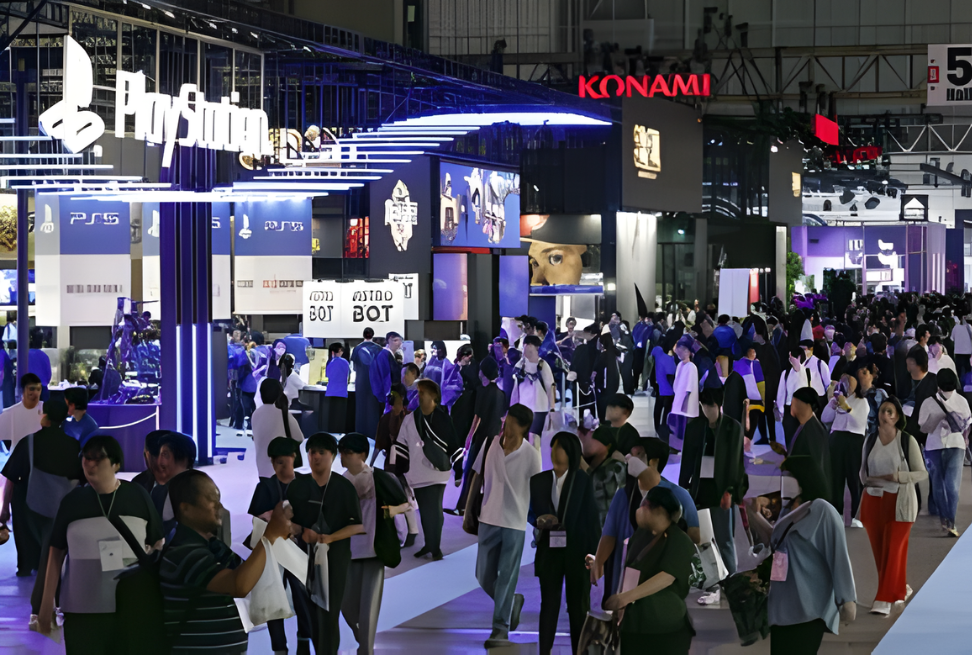
Tokyo Game Show has a dedicated area showcasing AI technologies in games (Source: Internet)
5. Accelerating the Future: The ecosystem of acceleration and global connections
Alongside strong R&D investment and industry, Japan also demonstrates flexibility and openness in its AI strategy through a global startup ecosystem. The center of this trend is the Shibuya area (Tokyo) - dubbed the "AI heart of Japan" [2].
Programs like UP - a joint initiative between local government and private sector - not only support domestic startups but also extend a hand to international entrepreneurs.
With support from Shibuya city government, the program provides comprehensive assistance in partner connections, proof-of-concept deployment, market access strategy, talent recruitment, communications, and even visa procedures for international entrepreneurs. Startups from around the world can apply year-round, especially projects in fields like AI, population aging, creative economy, robots, education, environment, and disaster prevention - the major priorities in Japanese society today [18].

The UP initiative supports domestic and international startups (Source: Internet)
Not only Shibuya, Tokyo and other major cities in Japan are also witnessing the bloom of AI startup support programs. From 2019, Google has implemented the Google for Startups Accelerator in Tokyo - lasting 3 months and dedicated to promising AI startups [19].
By 2024, big names like Techstars and Alchemist Accelerator have also established presence in Japan, expanding networks of mentorship, funding, and international connections for high-tech startups.
At the same time, the Ministry of Economy (METI) and the New Energy and Industrial Technology Development Organization (NEDO) are not standing aside when organizing the GENIAC competition - Generative AI Accelerator Challenge - to support the new generation of AI startups through GPU resources and initial capital [20].
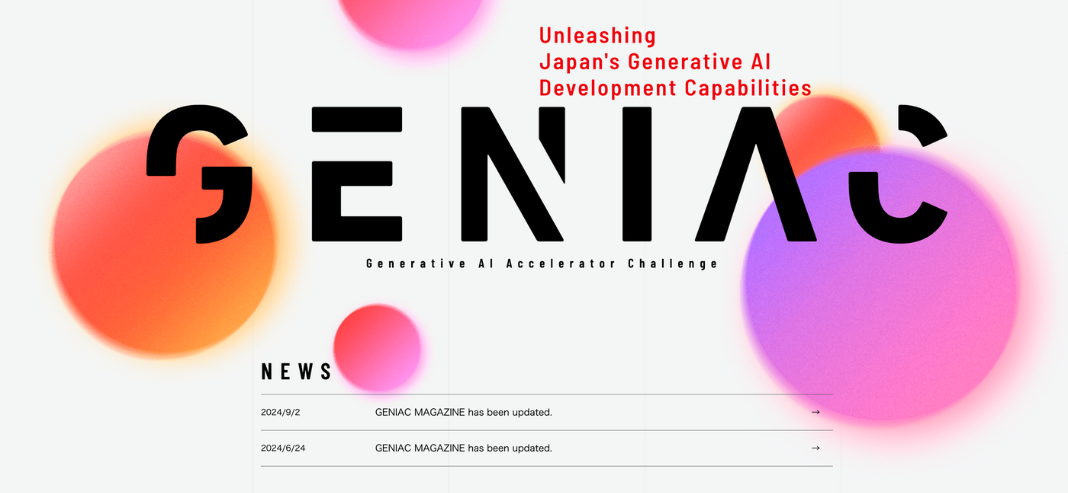
GENIAC Competition - Generative AI Accelerator Challenge (Source: GENIAC)
The Japanese government is further promoting the "creator" role by selecting Tokyo and some urban areas as "startup cities", with incentives like tax exemptions, startup visas, and global mentorship support.
Funds like Beyond Next Ventures, Japan Development Bank (DBJ), and SunBridge Capital play the role of bridges between the domestic startup ecosystem and international investment networks, helping Japanese startups not only grow domestically but also expand internationally [2].
With the current expansion speed and increasingly professional support, Japan's AI ecosystem is no longer just a playground for engineers and large corporations but has become an open ecosystem - where ideas are accelerated through the resonance of technology, people, and cross-border connections.
Artificial intelligence, in that context, is gradually becoming a new symbol for 21st-century Japan: inheriting the "monozukuri" spirit - the art of creating value - but redefined with sustainability, intelligence, and globalization.
—------
Phượng Lê
If your business is seeking the right resource connections to effectively advance into the Japanese market in general - or Japan’s Artificial Intelligence ecosystem in particular - let’s connect with BambuUP!
We have partnered with leading companies such as Heineken Vietnam, FASLINK, Talentnet, DKSH Smollan, MAB Solutions, and others to launch open innovation challenges and organize international innovation learning and networking trips. BambuUP is proud to be a trusted strategic partner, consistently supporting businesses in their innovation activities and robust green transformation journey.
To stay updated with the latest weekly news on green innovation in Vietnam, you can: