
 One platform connecting startups, corporations, research institutions, regions and investors
 Southeast Asia Innovation Landscape 2026
 ESG Data-as-a-Service (DaaS) A game-changer for resource-constrained SMEs

Demand Generation Strategy for startups
One of the biggest challenges for startups operating in a fiercely competitive market is creating demand.
Demand generation is a process that involves every touchpoint in the buyer’s journey, which is extremely difficult to measure for new brands.
If you’re an entrepreneur or a startup leader, you’ll definitely need to know what gets people excited about your product or service in order to generate qualified leads. . And to do this, creating “demand” plays an extremely important role in all activities of the business.
Demand generation strategy
No technical, demand generation focused on nurturing leads into lasting customer relationships. It both helps to attract customers and keeps old ones coming back and should include all marketing initiatives to achieve any major marketing goals. Demand generation has many factors, which can make it difficult for startups to develop their marketing strategies. However, there are several key factors that startups should incorporate to drive their demand.
- Content Marketing Strategy – so you have a plan for the content you need to attract your ideal customers;
- Website Optimization Strategy – to ensure that the message you are conveying is differentiated and tells your story in a compelling way;
- Targeted Digital Advertising – because most startups have immature or new websites that don’t rank well on search engines;
- Interacting on social networks ( Social Media Engagement) – Social networking is a way to attract the audience – where they regularly use and simultaneously reinforce your brand values on these channels;
- Conversion Optimization – there is nothing worse than attracting visitors to your website but not optimizing for converting visitors into leads;
- Marketing Automation – an important element for startups is automation to enable scalability, nurture and convert leads into paying customers.
Demand generation process
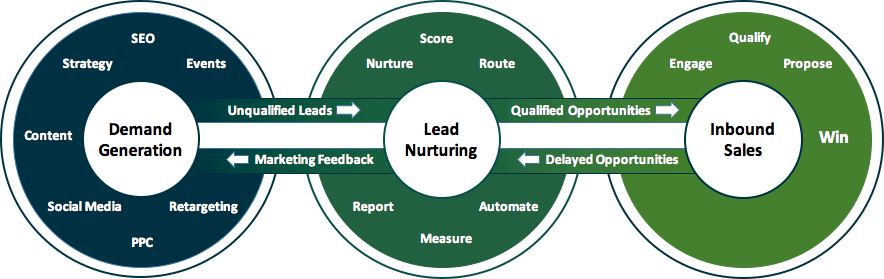
The process of creating demand, nurturing leads and converting them into customers
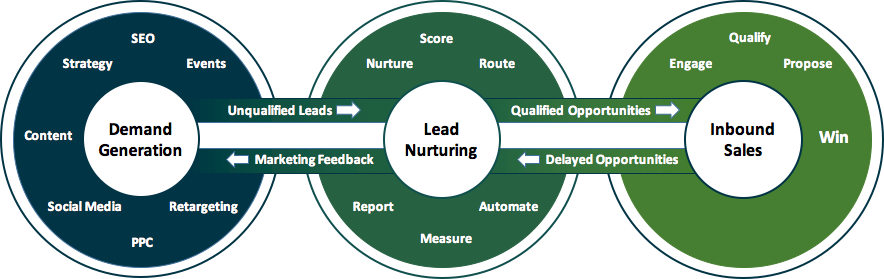
The demand generation process begins with attracting visitors and converting them into leads. The content or marketing platform then nurtures the leads until they have enough information to make a purchase. At this stage, they are qualified leads. However, not all qualified leads are ready to buy, so nurturing will continue until you close the sale. The business-customer relationship does not end when the sale is complete. You can continue to build that relationship by asking for feedback, sending them updates about your products or services, or offering incentives for future purchases. And remember that:
84% of B2B decision makers initiate the buying process through at least one referral.
Importance of analytics in demand generation
Throughout the entire demand generation process, your marketing team gains valuable insight into the behavior of the factors that entice visitors to become leads, then customers. Having this insight is extremely helpful for startups who may not know which demographic or niche their product or service is most appealing to. By analyzing visitor conversion rates and closes, your marketing team can optimize demand generation strategies to maximize ROI. Having a successful lead generation tool is an essential element of understanding your customers and knowing your target audience.

Create awareness to create demand
Since you are a startup, your brand is more likely to be unknown. It’s also hard to get people to buy if they know little about your business.
Fortunately, there are many methods that startups can use to increase awareness of their business, products or services, establishing the founder himself as an informed leader. believe and tell what is different from other businesses in the same industry.
These methods include:
1. Targeted Advertising

Modern advertising platforms like Google, Facebook, TikTok all allow different levels of targeting.
You can find qualified leads through targeted advertising on top online platforms like LinkedIn for B2B clients, Facebook which is great for B2C clients. Google AdWords is the king of digital advertising as it provides ads based on google search terms and this allows startups to “buy” their way to first place in the results. search results. In many cases, ads lead to a landing page to entice visitors to contact you for more information about their specific needs. In other cases, the ads are called “lead ads” where the form is on a social media platform (Facebook, Google, Linkedin all have),
2. Publish new content
Create content and market it that attracts visitors to and keep an eye on your website. Whenever you write and publish blog articles, send a notification to your email database to let them know about it (Newsletter). More people paying attention to your content means better search rankings, which can help expand your potential customer base. It’s best to first create a fine-tuned content strategy tailored to your ideal customer so that the content will resonate with them. Having optimized and refined content helps attract the right visitors and build trust with your audience as you educate them.
Tip: Create content as a content cluster by publishing “Content Pillar” content that provides an in-depth look at a single topic and then a series of linked related topics. back to pillar content. This approach will improve search rankings for all content in the cluster.
3. Use Public Relations

Public relations is a good way to quickly build a startup’s corporate image. You can submit press releases, abstracts, case studies, magazine articles, and many other types of content to raise awareness and build a trusted and industry-leading corporate image. . Many startups align their PR plans with a digital marketing strategy to improve the impact of both.
Tip: Distributing a press release focused on trade journals in your vertical will improve overall visibility and generate quality backlinks to your site, thereby increasing performance. SEO.
Conclude
Creating the right demand for a startup requires an extensive process of creating content, building an audience, and establishing yourself as an industry leader.
To make sure your startup is on the right track, our advice is to work with marketing agencies to help you create and execute your demand generation campaigns.
Hope this article is useful for you.