
 One platform connecting startups, corporations, research institutions, regions and investors











 Playbook & Handbook · February 6, 2026
Winning Accelerator Playbook 2026 by BambuUP
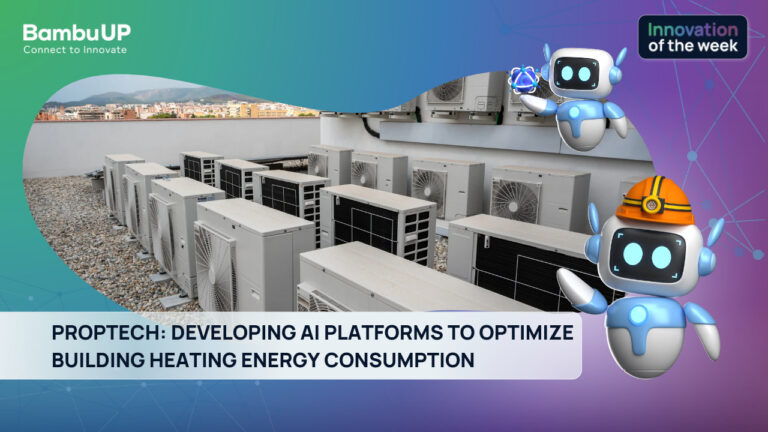 PROPTECH: DEVELOPING AI PLATFORMS TO OPTIMIZE BUILDING HEATING ENERGY CONSUMPTION

EU PROPOSES €50 BILLION FUND TO ADVANCE QUANTUM TECHNOLOGY AMID GLOBAL TECH COMPETITION
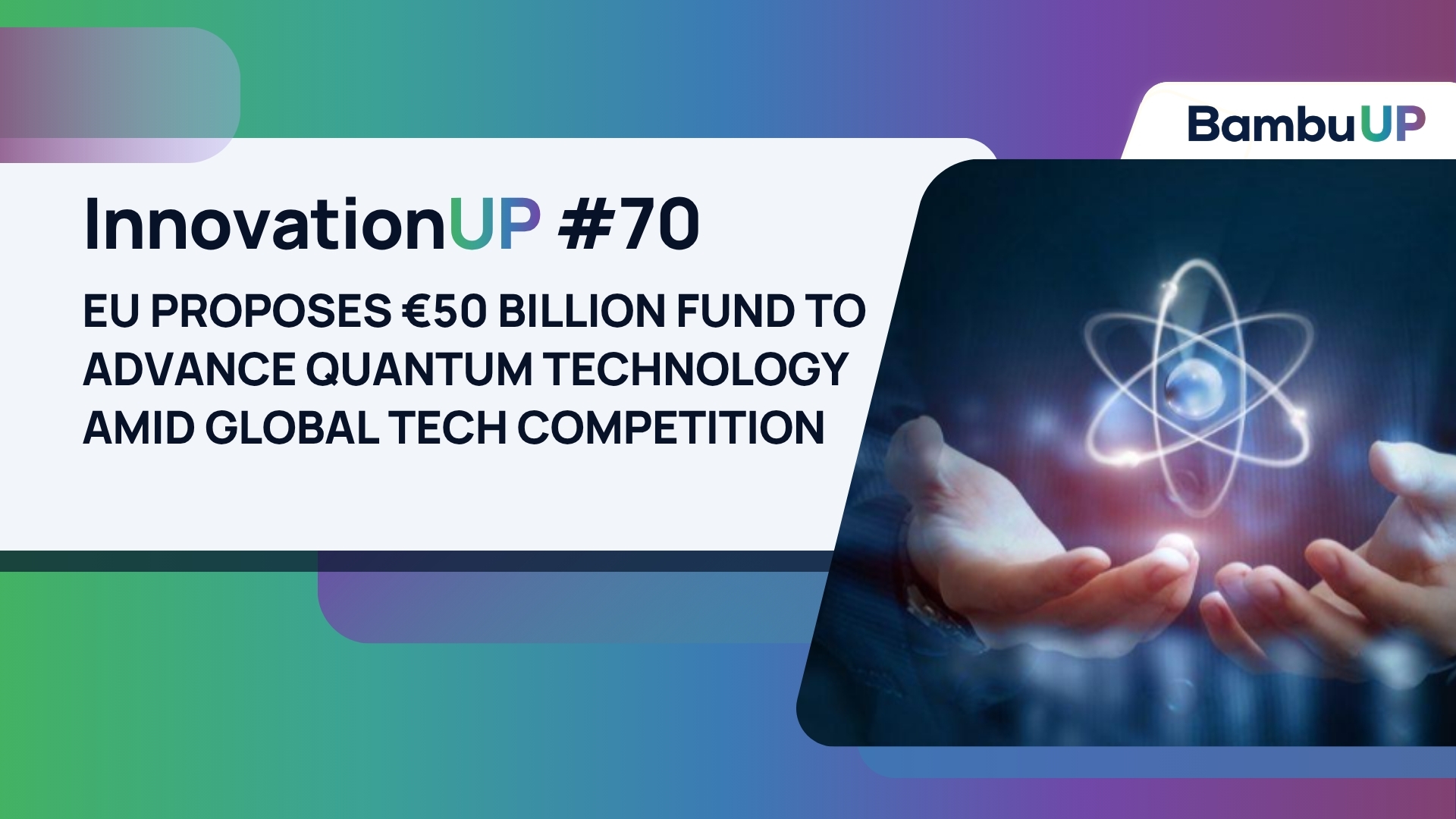
The European Union (EU) has proposed a €50 billion technology investment fund alongside the Quantum Act to accelerate quantum technology research and commercialization. The initiative highlights a broader shift in corporate innovation, where technological competitiveness increasingly depends on industrial capabilities, resilient supply chains, and stronger connections between research institutions and businesses.
As artificial intelligence (AI) and semiconductors become central to global technological competition, the European Union (EU) is stepping up investment in another strategic field: quantum technology. The European Commission has recently proposed a technology investment fund with a target size of €50 billion, alongside a new policy framework designed to accelerate quantum research, industrial development, and commercialization. This initiative raises an important question: As innovation moves beyond the laboratory, what will determine whether emerging technologies can achieve market competitiveness and generate economic value?
EU Proposes €50 Billion Fund to Accelerate Quantum Technology Development
On November 25, 2026, the European Commission proposed establishing the Sovereign Tech Equity Fund (STEF), an equity investment fund aimed at supporting strategic technologies, with a target capitalization of up to €50 billion. The initiative was introduced alongside the proposed Quantum Act, a legislative framework intended to strengthen Europe’s technological capabilities and reduce dependence on foreign suppliers in strategic sectors (Source: Reuters).
Unlike traditional research funding programs, STEF is designed as a large-scale equity investment vehicle that would mobilize capital from the EU, its member states, the European Investment Bank (EIB), and private investors. The fund aims to support companies developing strategic technologies, particularly quantum computing, artificial intelligence, semiconductors, and technologies related to digital sovereignty (Source: European Commission).
However, the €50 billion figure represents a fundraising target rather than an approved or disbursed budget. The fund’s operating structure and implementation timeline remain subject to further policy development, intending to make STEF operational at the beginning of the EU’s next long-term budget cycle in 2028 (Source: Euronews).
Meanwhile, the proposed Quantum Act focuses on three key priorities: strengthening research capabilities, accelerating the industrial adoption of quantum technologies, and improving the security of technological systems and strategic supply chains. These measures form part of Europe’s broader ambition to become a global leader in quantum technology by 2030 (Source: European Commission).
From Research to Commercialization: Challenges Facing Europe’s Quantum Industry
Quantum technology is opening new possibilities in computing, communications, and sensing, with potential applications across various industries. However, commercialization remains challenging due to the need for specialized equipment, substantial research investment, and scalable technological infrastructure.
Europe has a strong research foundation, with approximately one-third of the world’s quantum technology companies headquartered in the EU. Nevertheless, scientific expertise does not automatically translate into market leadership, as many startups still struggle to refine their products, secure funding, and reach industrial customers (Source: European Commission).
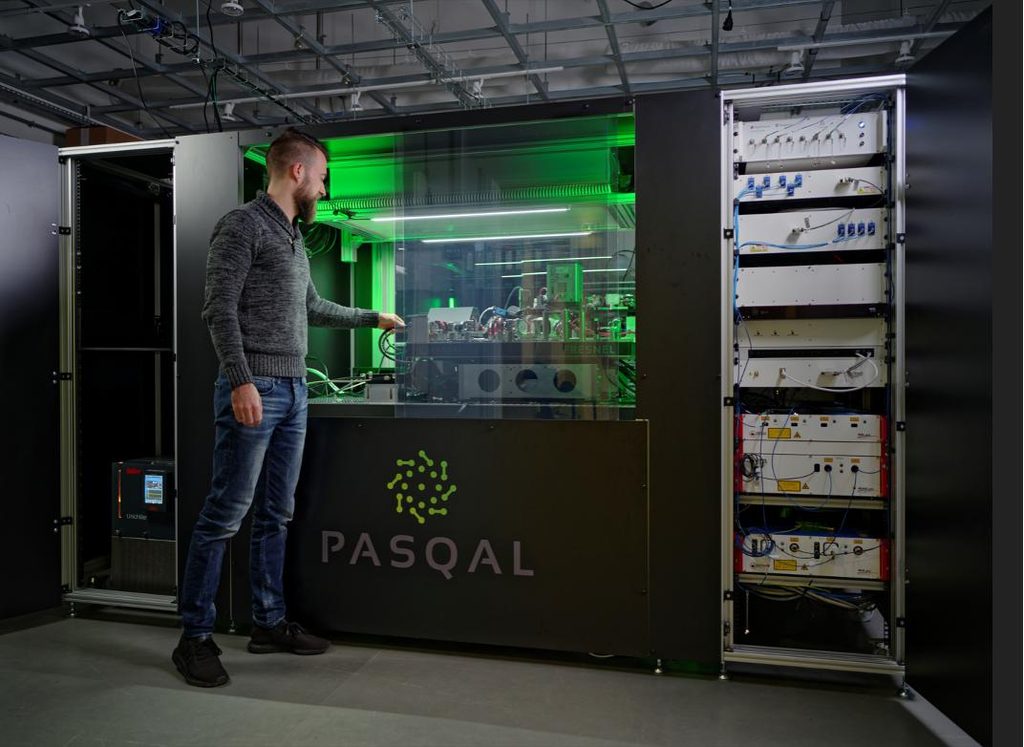
Pasqal, a French quantum technology company, illustrates efforts to bridge this gap. The company develops neutral-atom quantum computers and is leading the Q-PLANET project to establish testing and manufacturing capabilities for quantum components in Europe. This initiative highlights how commercialization depends not only on research breakthroughs but also on manufacturing infrastructure and the ability to scale production (Source: Pasqal).
However, quantum technology companies often require years to validate system stability and practical performance, while investors generally expect faster growth and financial returns. This mismatch between technology development cycles and commercial expectations can prevent promising solutions from advancing beyond the experimental stage.
Against this backdrop, the proposed Sovereign Tech Equity Fund (STEF) reflects the EU’s efforts to address systemic barriers. By combining equity investment, shared infrastructure development, and support for startup scaling, the initiative could help transform scientific research into commercially viable products and industrial capabilities (Source: European Commission).
Quantum Technology Competition Expands to Infrastructure and Strategic Supply Chains
The proposed €50 billion technology fund reflects a broader global trend as governments seek greater technological independence in sectors that significantly influence national security and economic competitiveness.
In quantum technology, competition extends beyond developing computers with greater processing capabilities. The ability to manufacture specialized components, establish research infrastructure, and maintain control over critical technologies within supply chains is becoming equally strategic.
Under the proposed Quantum Act, the EU would strengthen supply chain monitoring, identify critical components and suppliers, and support projects designed to expand regional manufacturing capabilities. The EU would also incorporate security-of-supply requirements into quantum technology procurement, while taking into account its international cooperation commitments (Source: European Commission).
Quantum technology also introduces new cybersecurity challenges. In the future, sufficiently powerful quantum computers could weaken certain encryption methods currently used to protect data and information systems. Consequently, the Quantum Act seeks to support research, testing, and the transition toward post-quantum cryptography, which refers to cryptographic methods designed to withstand potential attacks from future quantum computers (Source: European Commission).
These developments indicate that the global quantum technology race is expanding beyond scientific research into areas with direct implications for industrial operations, supply chains, and digital infrastructure.
However, building domestic technological capabilities also creates challenges related to costs and international cooperation. For an emerging industry such as quantum technology, access to global expertise, equipment, and strategic partnerships remains essential to bringing innovative solutions to market.
How Can Businesses Prepare for the Next Wave of Quantum Innovation?
For businesses, advances in quantum technology could create opportunities to access new computing, simulation, and measurement capabilities. However, potential applications will vary across industries and depend on the maturity of the underlying technologies.
In pharmaceuticals and materials science, quantum computing methods are being investigated for their potential to simulate complex molecular systems. In industrial applications, quantum sensors could enable more precise measurement and monitoring. Meanwhile, financial institutions and companies handling sensitive data need to consider transitioning toward security systems capable of addressing future quantum-related threats.
Nevertheless, businesses do not necessarily need to invest directly in quantum computers to participate in this emerging wave of innovation. At the current stage, identifying potential use cases, monitoring research progress, and collaborating with specialized organizations on pilot projects may offer a more practical approach.
A notable element of the EU’s proposal is the development of quantum competence and acceleration centers, designed to help startups and small and medium-sized enterprises (SMEs) access infrastructure, funding, technical expertise, and testing opportunities. This approach highlights the growing importance of collaboration among businesses, universities, research institutions, and investors in advancing innovation across deep technology sectors (Source: European Commission).
For Vietnamese businesses, the lessons from the EU’s strategy extend beyond considering quantum technology as a new investment opportunity. More importantly, they highlight the need to develop long-term technology adoption roadmaps, strengthen connections with research and innovation ecosystems, and establish collaborative models that can translate scientific discoveries into commercially valuable solutions.
Conclusion
The proposed €50 billion technology fund and Quantum Act demonstrate Europe’s efforts to transform its research strengths into industrial capabilities, reduce technological dependence, and strengthen competitiveness in strategic sectors. Although these initiatives still require further development in terms of governance and implementation resources, they highlight the increasingly important role of innovation ecosystems in global technological competition.
In this context, BambuUP continues to strengthen its role in connecting businesses with startups, experts, research institutions, and innovation resources, fostering technological collaboration and helping companies identify solutions that support their long-term development needs.